 ASOC
ASOC
Gray Water in the Antarctic
Despite its known toxicity, untreated gray water from ships is routinely discarded in the Southern Ocean. There are no regulations to limit its release anywhere in the Antarctic.
Support ASOC’s work to address this critical gap in Antarctic environmental protections.
MANAGING GRAY WATER
The problem
What is gray water?
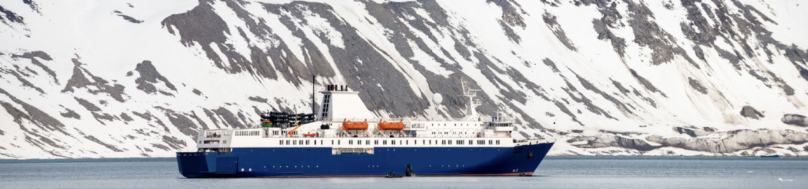
Gray water is one of the largest sources of wastewater generated by ships, and is produced as part of normal operations on fishing, tourism, research, and supply vessels operating in the Antarctic.
Where does gray water come from?
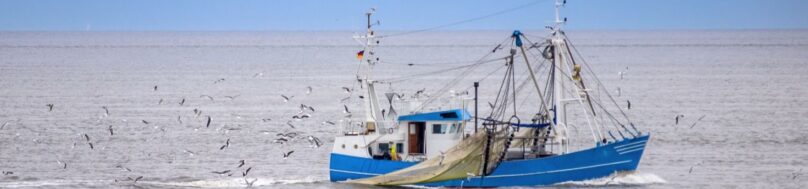
Ships produce gray water via several pathways, including showers, baths, wash basins, washing machines and dishwashers.
What is in gray water?
Gray water can contain a range of pollutants harmful to marine ecosystems, including microplastics, heavy metals and chlorine.

Why is it important?
The Antarctic is particularly vulnerable to pollutants in gray water due to the unique characteristics of polar waters, such as cold temperatures and long periods of darkness.
Download our infographic: Gray Water and Microplastics – The Problem and The Solution.
Analyses of gray water from passenger vessels have found pathogens such as fecal coliform in concentrations up to three orders of magnitude greater than those typical in untreated domestic wastewater.
Source: United States Environmental Protection Agency (2008)
What’s happening?
MANAGING GRAY WATER
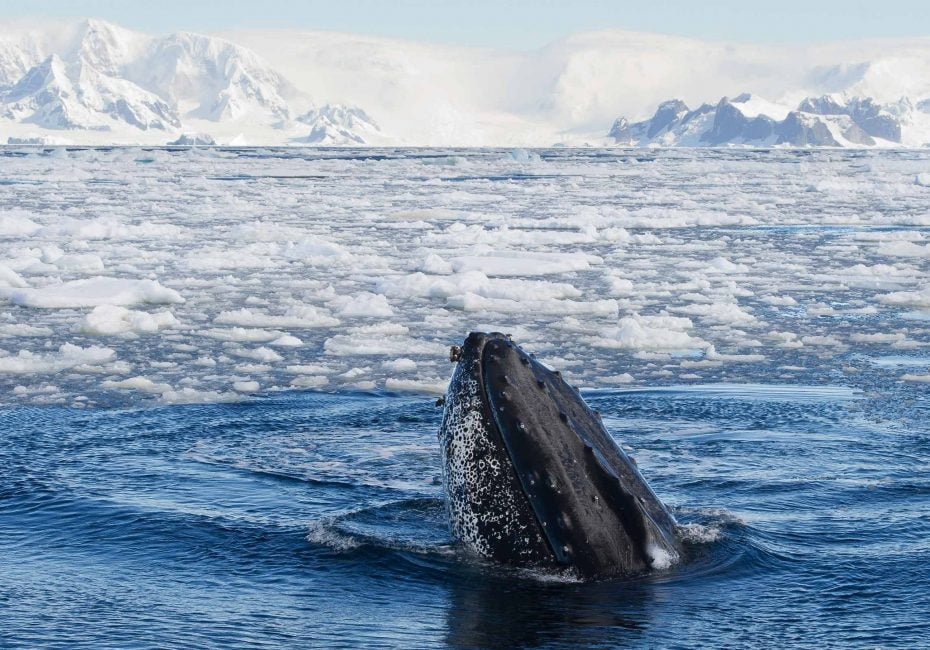
Despite the known toxicity of many of its constituents, ships can release gray water anywhere across the Antarctic without restrictions.
While some sources of shipping wastewater, such as sewage and ballast water, are regulated by the International Maritime Organization (IMO), gray water has been overlooked. It is not regulated at the global level, and is not currently under consideration by the IMO.
The good news
MANAGING GRAY WATER
Recognising the threat presented by gray water, some nations have taken matters into their own hands. Both the United States and Canada have introduced local regulations to control gray water disposal and protect vulnerable coastal ecosystems. The same could be done in Antarctica.
At an annual meeting of Antarctic decision makers in 2024, ASOC drew attention to the growing problem of unregulated gray water disposal in the Antarctic. Several parties expressed an interest in working together to better understand the impacts of gray water in the Antarctic, and discuss potential solutions.
MANAGING GRAY WATER
You can help
With the generous support of our global community, ASOC will continue to urge decision makers to address the threat posed by unregulated gray water in the Antarctic.
MANAGING GRAY WATER
How we work
As the only environmental NGO invited to observe Antarctic Treaty meetings, we represent the Antarctic conservation community at the highest levels of Antarctic governance. We work within the system to push for effective regulation of gray water in the following ways.

Within the Antarctic Treaty System
Each year, representatives from over 50 nations gather to make decisions about the future of Antarctica.

Within CCAMLR
ASOC monitors all issues that impact the Antarctic environment, including plastic pollution, fisheries management, biological prospecting and pirate fishing.

International Maritime Organization
The International Maritime Organization is an agency of the United Nations charged with regulating global shipping, including the prevention of pollution.

The Polar Code
The International Code for Ships Operating in Polar Waters (Polar Code) aims to promote safe practices and avoid environmental damage in the remote and sensitive polar regions.
Support the campaign
MANAGING GRAY WATER
Your gift makes a difference! Thanks to the generous support of our global network, ASOC continues to advocate for stronger environmental protection for Antarctica and its ecosystems.

MANAGING GRAY WATER
Related reading

What you can do
MANAGING GRAY WATER

Sources
2023 – Occurrence and characteristics of microplastics in greywater from a research vessel (2023).
2021 – Modelling of discharges from Baltic Sea shipping (2021).
2020 – The Globalization of Cultural Eutrophication in the Coastal Ocean: Causes and Consequences (2020).
2020 – Microplastics and the Australian Marine Environment: Issues and Options (2020).
2011 – Gray Water Discharges from Vessels: United States Environmental Protection Agency (EPA). (2011).