 ASOC
ASOC
Responsible Tourism
Antarctic tourism is changing rapidly. Visitor numbers have grown, activities have diversified, and the footprint of human presence is expanding.
Stronger governance is needed to ensure tourism protects – rather than pressures – Antarctica’s unique environment.
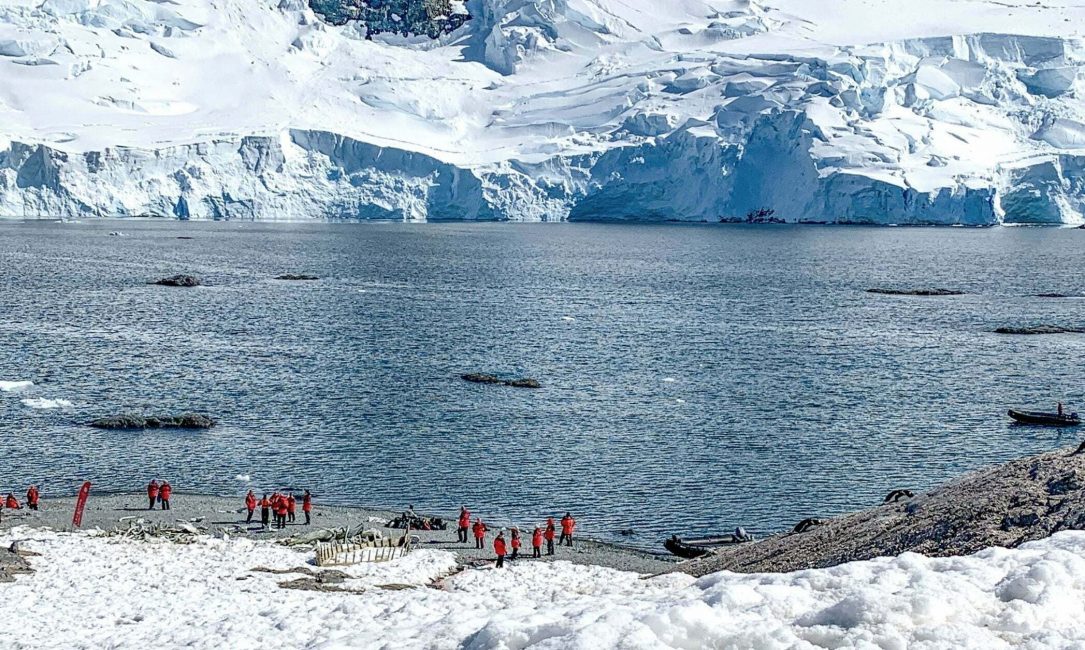
What’s happening
RESPONSIBLE TOURISM
Tourists have travelled to Antarctica for decades, but the scale and nature of tourism are changing rapidly. More visitors, new activities, and an expanding human presence are creating new challenges for protecting one of the planet’s most fragile environments. As Antarctica changes, so too must the way we manage human activity.
Recognising this challenge, Antarctic Treaty Parties have committed to developing a new framework to guide the future of tourism and other non-governmental activities in Antarctica. This framework provides an important opportunity to ensure that tourism is consistent with the Environmental Protocol’s commitment to the comprehensive protection of the Antarctic environment and its dependent and associated ecosystems.
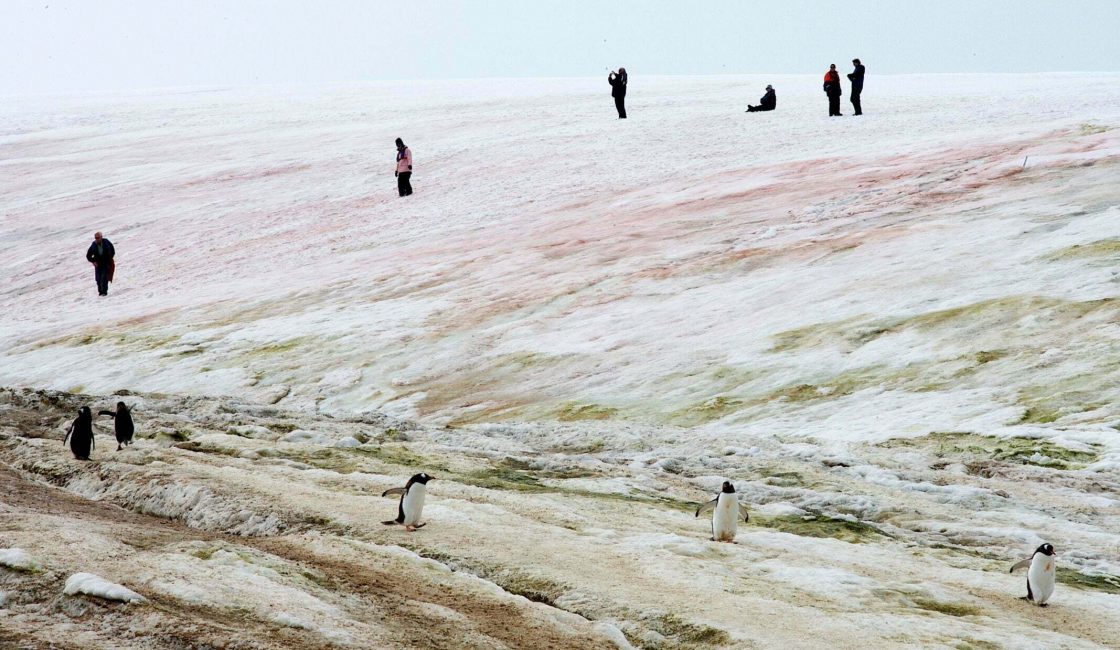
Next steps
RESPONSIBLE TOURISM
The development of the tourism framework is a rare opportunity to shape the future of Antarctic tourism and ensure that environmental protection remains at its foundation.
Negotiations began in 2023 and are expected to conclude by 2028. ASOC is advocating for an ambitious, precautionary, and enforceable framework that can respond to emerging challenges and ensure tourism remains compatible with the long-term protection of Antarctica and the Southern Ocean.
This requires an approach that places environmental integrity at its core and recognises the cumulative pressures facing Antarctica from climate change, fisheries, tourism, and other human activities – particularly in regions such as the Antarctic Peninsula, where these pressures are increasingly concentrated.
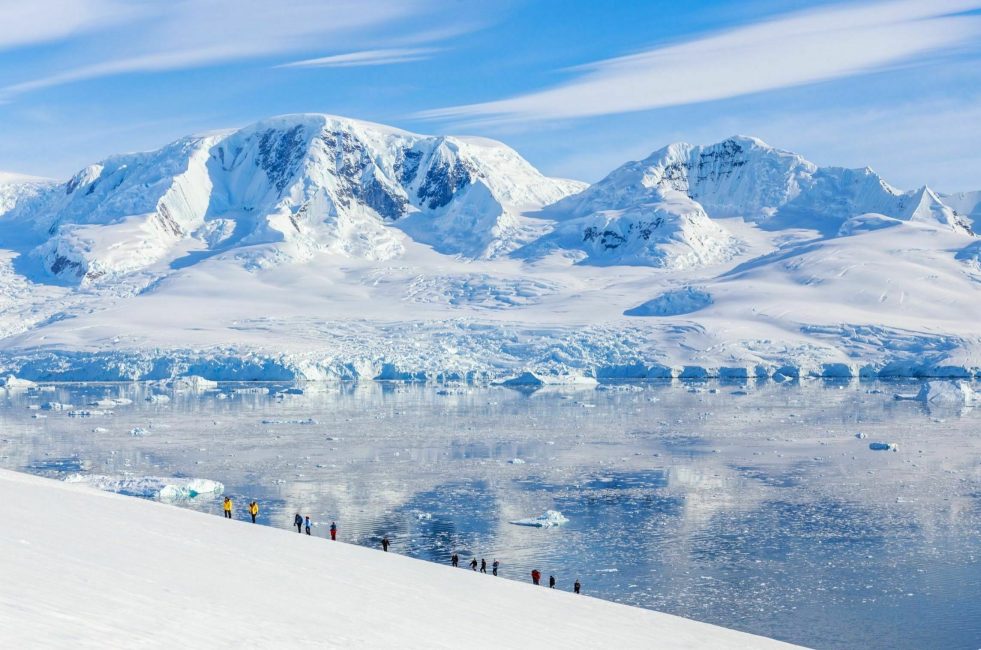
A regional approach
RESPONSIBLE TOURISM
ASOC advocates for a precautionary, legally binding, and enforceable tourism framework that includes:
- Spatial and temporal limits to manage tourism intensity and protect vulnerable areas.
- Region-specific management measures that prioritise ecosystem protection and prevent environmental harm.
- Systematic conservation planning to guide sustainable tourism development.
- A differentiated approach that recognises the varying impacts of different tourism activities.
- Robust monitoring, reporting, and compliance mechanisms.
- Rapid response measures to address emerging environmental risks.
Read our information papers here.
“We cannot continue relying on largely voluntary guidelines while commercial tourism operations expand rapidly across the continent. The ATCM must urgently transform discussions on the tourism framework into mandatory, legally binding regulations before tourism growth outpaces our ability to protect the environment – and its intrinsic values recognized under the Protocol.”
Ricardo Roura, ASOC Senior Advisor
RESPONSIBLE TOURISM
How we work
Protecting Antarctica requires coordination across multiple governance systems. ASOC works across the Antarctic Treaty System, the International Maritime Organization, and industry forums to connect science, policy and practice.
We advocate for tourism practices that respond to a changing environment and are compatible with the long-term protection of Antarctica and the Southern Ocean.

At Antarctic Treaty Consultative Meetings
At Antarctic Treaty Consultative Meetings (ATCMs), ASOC contributes scientific and policy analysis to support the development of the tourism framework. Through information papers and dialogue with Antarctic Treaty Parties, ASOC advocates for measures that uphold the Environmental Protocol’s commitment to the comprehensive protection of the Antarctic environment and its dependent and associated ecosystems.
Read more
At Antarctic Treaty Consultative Meetings
As observers to the Antarctic Treaty Consultative Meeting (ATCM), and invited experts to meetings of the Committee for Environmental Protection (CEP), ASOC participates actively in discussions about the development of the tourism framework.
ASOC submits information papers and provides comments on submissions from other parties, to ensure that the framework reflects the highest possible standards of environmental protection.
Read our tourism information papers here.
Full implementation of the Environmental Protocol
The Protocol on Environmental Protection to the Antarctic Treaty (commonly known as the Environmental Protocol, Madrid Protocol, or simply the Protocol) is an instrument of the Antarctic Treaty System. Signed in Madrid on October 4, 1991 and entering into force in 1998, its regulations apply to all activities in Antarctica, including tourism.
Although the Protocol has been in effect for over 25 years, some important provisions still haven’t been actualized. For example, we are still waiting for a system of protected areas to be created, as per article 12(1)(g), and for a liability regime to be established, as per article 16.
ASOC campaigns for the full and effective implementation of the Environmental Protocol, which reflects the intent and commitment of those Parties involved in its negotiation and ratification.
Read our policy paper on the implementation of Annexes to the Environmental Protocol (2025).
Read ASOC policy papers and reports to the Antarctic Treaty Consultative Meeting (ATCM).
Strengthening environmental liability
The question of who is liable for environmental damage in Antarctica is critical to its protection. An environmental emergency in Antarctica would be disastrous and costly to remedy, with grave consequences for fragile ecosystems in areas that are extremely difficult to access.
Despite decades of negotiation, the question of who is liable for damage caused in the Antarctic Treaty Area remains unanswered. If there was a major environmental incident in Antarctic waters, there are several unknowns: who is responsible for coordinating the cleanup response? Who pays for the repair work? Who ensures that it’s done, and done well? How is this enforced? And what happens if the responsible parties refuse to do the work? Without answers to these questions, an environmental crisis could turn into a global disaster.
As the Exxon Valdez oil spill showed us in the 1980s, environmental emergencies in remote areas are costly, time-consuming, and resource-intensive to remediate. Establishing liability for environmental damage in Antarctica is essential, both to promote accountability among those operating in Antarctica, and to discourage high-risk activities.
ASOC continues to advocate for the adoption of preventative regulations that both deter parties and operators from taking risks that could cause environmental damage, and establish liability in advance of an incident.
Within the IMO
ASOC advocates for robust, adaptive shipping regulation that keeps pace with evolving environmental pressures and human activities in the Antarctic.
Read more
Within the IMO
The International Code for Ships Operating in Polar Waters (Polar Code) is the first legally binding international maritime agreement for the regulation of shipping in the polar regions.
Adopted by the International Maritime Organization (IMO) and entering into force in January 2017, the Polar Code introduced mandatory measures to prevent pollution and improve the safety of vessels operating in polar waters.
While ASOC welcomed these mandatory measures, this work is not complete. An effective Polar Code needs to:
- Address underwater noise pollution and black carbon emissions;
- Regulate gray water disposal;
- Extend mandatory safety measures to all vessel classes, and
- Be effectively implemented by all vessels in the Antarctic.
ASOC continues to participate in international meetings where the Polar Code is on the agenda. We provide independent scientific and policy advice backed by the best available science, advocating for strong protective measures and their harmonized implementation.
With industry
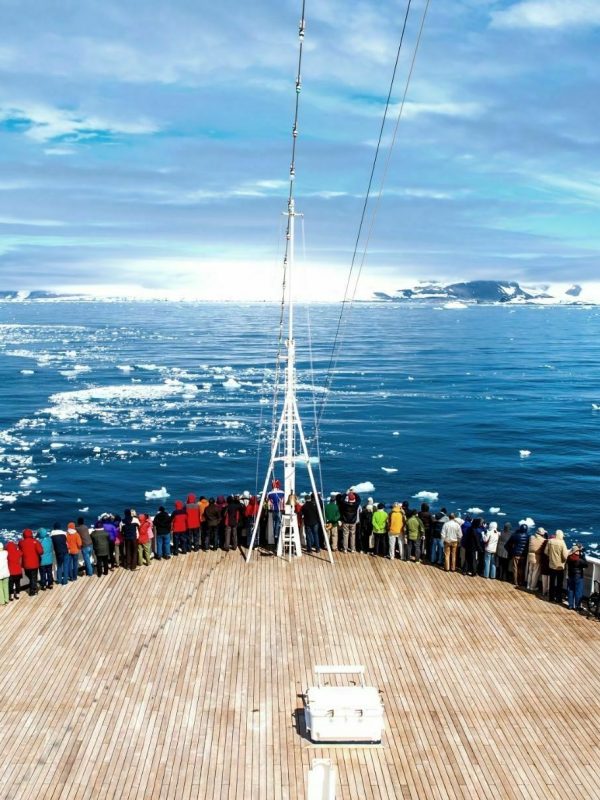
ASOC engages constructively with the Antarctic tourism industry through an ongoing relationship with the International Association of Antarctica Tour Operators (IAATO).
Read more
With industry
As the industry association representing Antarctic tour operators and related organisations, IAATO provides a forum for dialogue on the future of Antarctic tourism. ASOC participates in IAATO meetings and workshops to share independent conservation expertise and advocate for tourism practices that are consistent with the long-term protection of Antarctica and the Southern Ocean.
RESPONSIBLE TOURISM
How we work
ASOC works at the highest levels of Antarctic governance to advocate for responsible tourism management that recognizes the combined pressures facing Antarctic ecosystems, including climate change, expanding krill fisheries, and increasing visitation.
At Antarctic Treaty Consultative Meetings
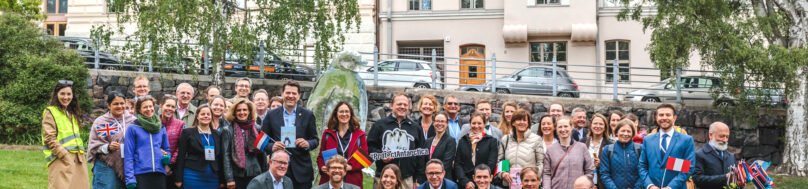
At Antarctic Treaty Consultative Meetings (ATCMs), ASOC contributes scientific and policy analysis to support the development of a comprehensive tourism framework. Through information papers and dialogue with Antarctic Treaty Parties, ASOC advocates for measures that uphold the Environmental Protocol’s commitment to the comprehensive protection of the Antarctic environment and its dependent and associated ecosystems.

Marine protected areas
ASOC advocates for the establishment of a representative network of marine protected areas (MPAs) to safeguard vulnerable ecosystems from cumulative human impacts and strengthen resilience to climate change.

The Polar Code
ASOC advocates for a robust and adaptive Polar Code that keeps pace with evolving environmental pressures and human activities in the Antarctic.

Preventing invasive species
ASOC advocates for mandatory biosecurity measures to prevent the introduction and establishment of non-native species in the Southern Ocean through ballast water discharges and vessel biofouling.

RESPONSIBLE TOURISM
Support our work
Tourism is changing, and the decisions made today will shape its future. Your support helps ensure that environmental protection remains at the centre of those decisions.
What you can do
RESPONSIBLE TOURISM
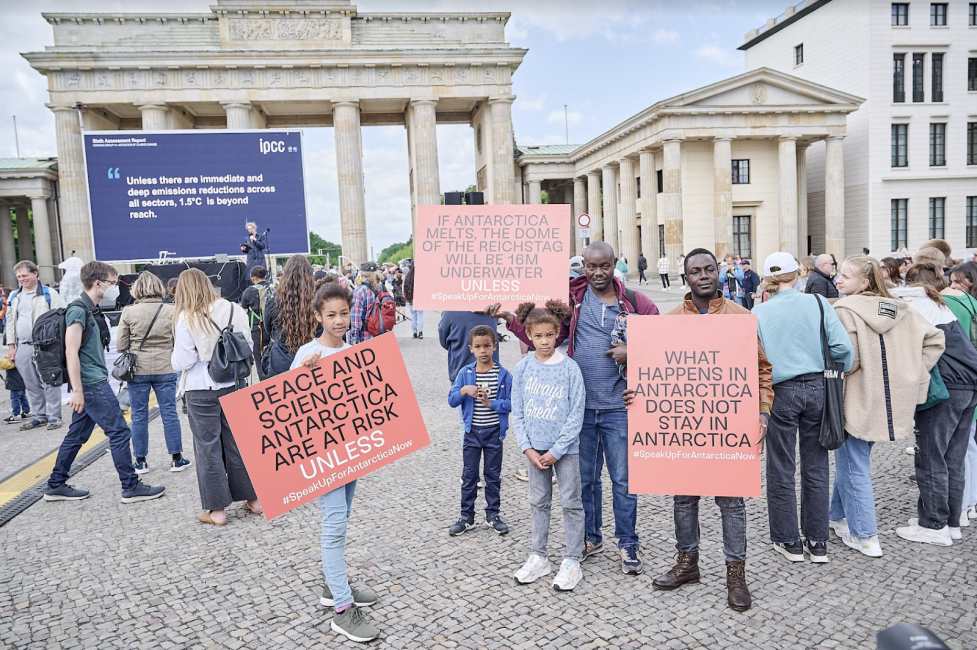
As Antarctic Treaty Parties continue to develop the tourism framework, you can support ASOC in advocating for an ambitious outcome that places the protection of Antarctica and the Southern Ocean at its core.
References and further reading
ASOC (2026). Looking back, moving forward: Antarctic tourism framework. [Submitted to ATCM 48].
ASOC (2026). The regulation of deep-field and land-based facilities for tourism in Antarctica. [Submitted to ATCM 48].
ASOC (2025). Adopting a regional approach to managing tourism. [Submitted to ATCM 47].
ASOC (2025). Advancing a comprehensive tourism framework for Antarctic tourism. [Submitted to ATCM 47].
ASOC (2025). Air-cruise operations and the tourism framework. [Submitted to ATCM 47].
ASOC (2024). ASOC perspectives on the development of a comprehensive and consistent framework for Antarctic tourism and nongovernmental activities. [Submitted to ATCM 46].
ASOC (2024). Developing a systematic approach to addressing the footprint of tourism. [Submitted to ATCM 46].
ASOC (2024). Tourism and the growth of air-cruising in the Antarctic Peninsula. [Submitted to ATCM 46].
ASOC (2023). Slow Antarctic Tourism. [Submitted to ATCM 45].
ASOC (2022). Antarctic tourism policies after the pandemic pause. [Submitted to ATCM 44].
ASOC (2019). Antarctic tourism: Using lessons learned to inform effective, proactive management. [Submitted to ATCM 42].
ASOC (2017). Options for Visitor Management in the Antarctic. [Submitted to ATCM 40].
ASOC (2015). Antarctic Tourism and Protected Areas. [Submitted to ATCM 38].
ASOC (2014). Managing Human Footprint, Protecting Wilderness: A Way Forward. [Submitted to ATCM 37].
ASOC (2013). Management implications of tourist behaviour. [Submitted to ATCM 36].
ASOC (2012). Key Issues for a Strategic Approach to Review Tourism Policies. [Submitted to ATCM 35].
ASOC (2011). Antarctic Tourism – What Next? Key Issues to Address with Binding Rules. [Submitted to ATCM 35].
ASOC (2010). Antarctic Ship-borne Tourism and Inspections Under Article VII of the Antarctic Treaty and Article 14 of the Protocol on Environmental Protection. [Submitted to ATCM 34].
ASOC (2010). Comparison of Three Antarctic Treaty Meeting of Experts on Shipping and Tourism. [Submitted to ATCM 34].
ASOC (2010). Making Tangible Progress on a Strategic Vision for Antarctic Tourism. [Submitted to ATCM 34].
ASOC (2010). Tourism and Land-based Facilities in Antarctica: Analysis of a Questionnaire Distributed to Antarctic Treaty Parties at XXXII ATCM. [Submitted to ATCM 34].
ASOC (2009). Impacts of local human activities on the Antarctic environment: A review. [Submitted to ATCM 33].
ASOC (2009). Key Elements of a Strategic Vision for Antarctic Tourism. [Submitted to ATCM 33].
ASOC (2009). Tourism and Land-Based Facilities in Antarctica. [Submitted to ATCM 33].
ASOC (2008). A decade of Antarctic tourism: Status, change, and actions needed. [Submitted to ATCM 32].
ASOC (2007). The Case Against Tourism Landings from Ships Carrying More than 500 Passengers. [Submitted to ATCM 31].
ASOC (2007). Tourism and the Duty for ATCP Action. [Submitted to ATCM 31].
ASOC (2006). Managing Antarctic Tourism: A Critical Review Of Site-Specific Guidelines. [Submitted to ATCM 30].
ASOC (2006). Strategic Issues posed by Commercial Tourism in the Antarctic Treaty Area. [Submitted to ATCM 30].
ASOC (2005). Antarctic Tourism Graphics An overview of tourism activities in the Antarctic Treaty Area Part A. [Submitted to ATCM 29].
ASOC (2005). Antarctic Tourism Graphics An overview of tourism activities in the Antarctic Treaty Area Part B. [Submitted to ATCM 29].
ASOC (2005). Antarctic Tourism Graphics An overview of tourism activities in the Antarctic Treaty Area Part C. [Submitted to ATCM 29].
ASOC (2005). Some Legal Issues Posed by Antarctic Tourism. [Submitted to ATCM 29].
ASOC (2004). Tourism Accreditation and Inspection under the Antarctic Treaty. [Submitted to ATCM 28].
ASOC (2004). The Regulation of Antarctic Tourism: State of Play After the Antarctic Treaty Meeting of Experts (Norway 22-25 March, 2004). [Submitted to ATCM 28].
ASOC (2003). Regulating Commercial Tourism in Antarctica: The Policy Issues. [Submitted to ATCM 27].