 ASOC
ASOC
Marine protected areas
Securing vital protection for the Southern Ocean has never been more urgent. Join us as we work to support flourishing Antarctic ecosystems into the future.

Protecting the Southern Ocean
MARINE PROTECTED AREAS
The Southern Ocean covers around 10% of the global ocean, and is home to nearly 10,000 unique polar species. But it is changing rapidly.
Some areas are becoming warmer and more acidic due to the climate crisis, and a growing Antarctic krill fishery is having untested impacts on Southern Ocean ecosystems.
Less than 5% of the Southern Ocean is fully protected. Now is the time to act for Antarctica.
What is an MPA?
MARINE PROTECTED AREAS
Like national parks on land, marine protected areas (MPAs) are designated areas of the ocean where some activities, such as fishing, are restricted or prevented. They are established in areas that have been identified by researchers as critical habitats or biodiversity hotspots, or regions that are vulnerable to changing conditions or increased human pressures.
Marine protected areas (MPAs) have been identified as an effective way to support healthy ecosystem function by reducing interference from human activities such as shipping and fisheries.
MARINE PROTECTED AREAS
Why MPAs are important
Many people imagine Antarctica as a pristine wilderness, but human activities including fisheries, tourism and scientific research are impacting sensitive Antarctic ecosystems.
By establishing marine protected areas in regions identified as vulnerable by the best available science, we can reduce the pressure where it matters most.

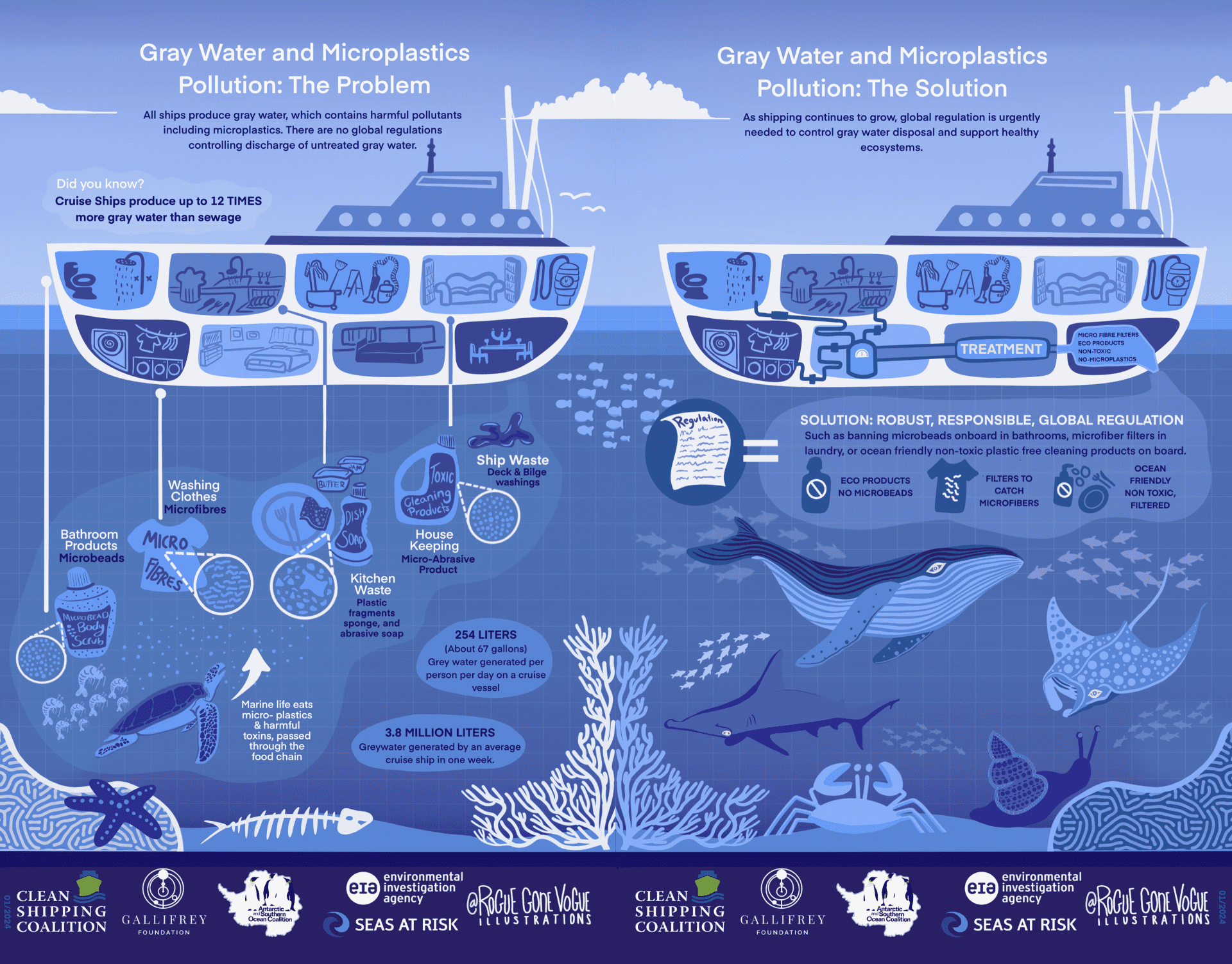
Gray Water
Gray water (bath, shower laundry and galley water) often contains chemical detergents, heavy metals, fecal coliforms, polyaromatic hydrocarbons and microplastics harmful to marine ecosystems.
There are currently no restrictions on the dumping of gray water in the Southern Ocean.
In addition to the establishment of marine protected areas, ASOC supports a ban on the discharge of untreated black water (sewage) and gray water (bath, shower, laundry and galley water).
Find out more about the discharge of sewage and gray water from vessels in Antarctic Treaty waters: download this ASOC information paper presented to the Antarctic Treaty Consultative Meeting.
Download our Gray Water Infographics.
Microplastics
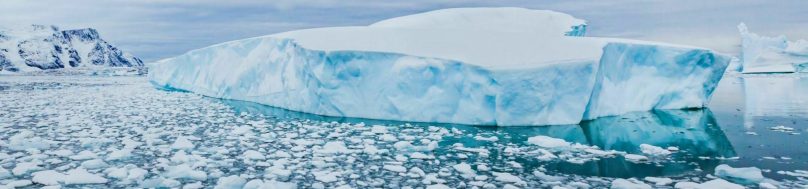
Scientific research has confirmed the presence of microplastics in both Antarctic snow and the waters of the Southern Ocean.
In addition to the establishment of marine protected areas, ASOC supports a ban on the discharge of untreated gray water, which often contains microplastics harmful to marine ecosystems.
Download our Plastic Pollution infographic.
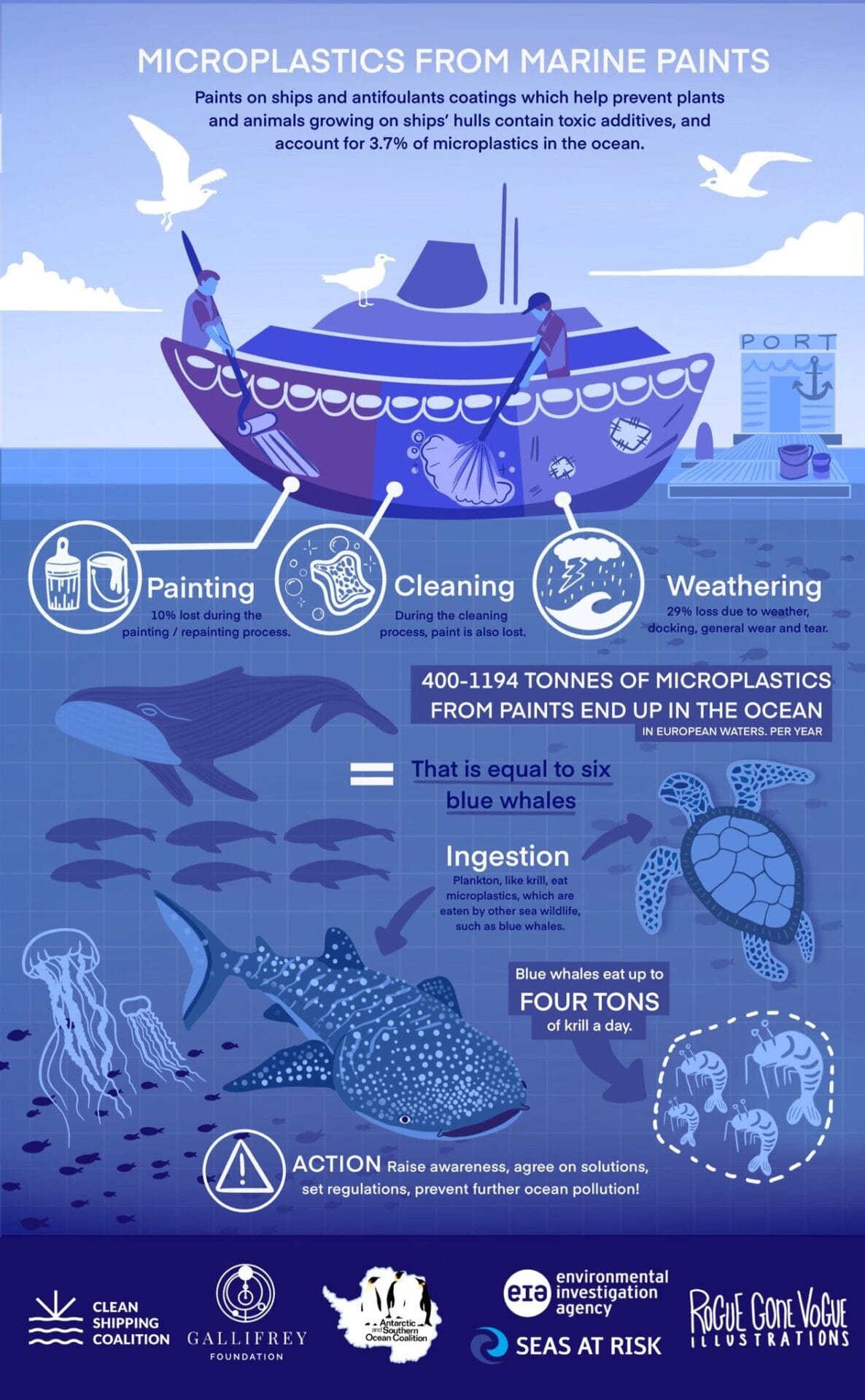
Download our Microplastics from Marine Paints infographic.

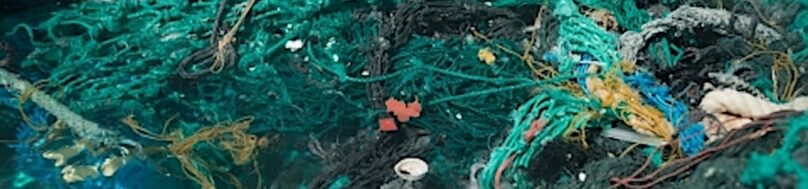
Ghost fishing gear
Abandoned, lost or discarded fishing gear (ALDFG), otherwise known as ‘Ghost Gear’, is a significant threat posed by fisheries in the Southern Ocean.
These silent killers include fishing nets, lines and hooks, and fish traps, which continue to “fish”, and which wildlife can become entangled in, often leading to a slow, painful death.
In the Southern Ocean, nearly 850 miles (1363 kilometers) of long line was abandoned, lost or discarded in only two fishing seasons. Fishing line takes around 600 years to break down. When it finally does, it disintegrates into harmful microplastics, which can be ingested by fish and crustaceans, and eventually humans.
In addition to the establishment of marine protected areas, ASOC advocates for mandatory regulations that require fishing vessels to mark or label their fishing gear, and require fishing crews to report losses of fishing gear along with any encounters with ghost fishing gear.
Download our Ghost Gear Infographics.


Image credit: NOAA

Biofouling
Invasive species can be transported and introduced into fragile ecosystems through biofouling.
One of the best ways to retain and restore vibrant ecosystems in times of great change is through a global network of representative marine protected areas (MPAs).
SOURCE: The Global Assessment Report on Biodiversity and Ecosystem Services (2019)

Problems on the Antarctic Peninsula
MARINE PROTECTED AREAS
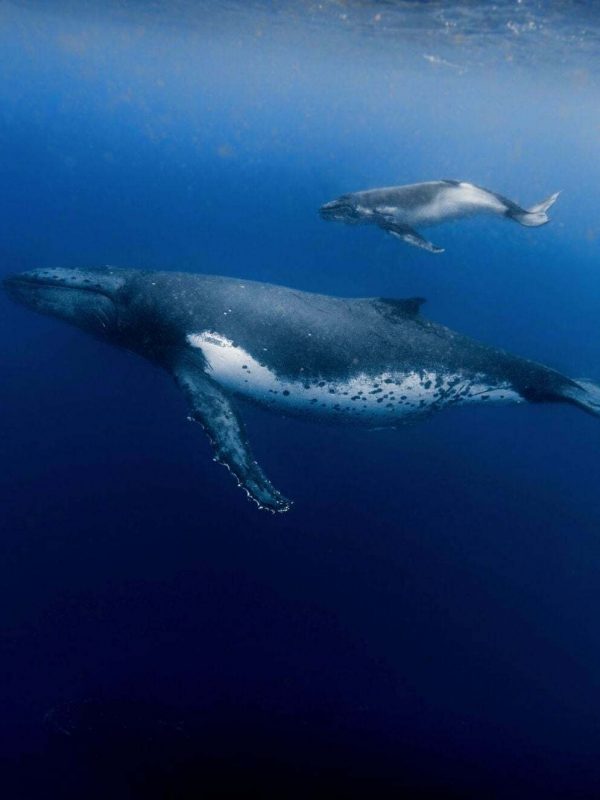
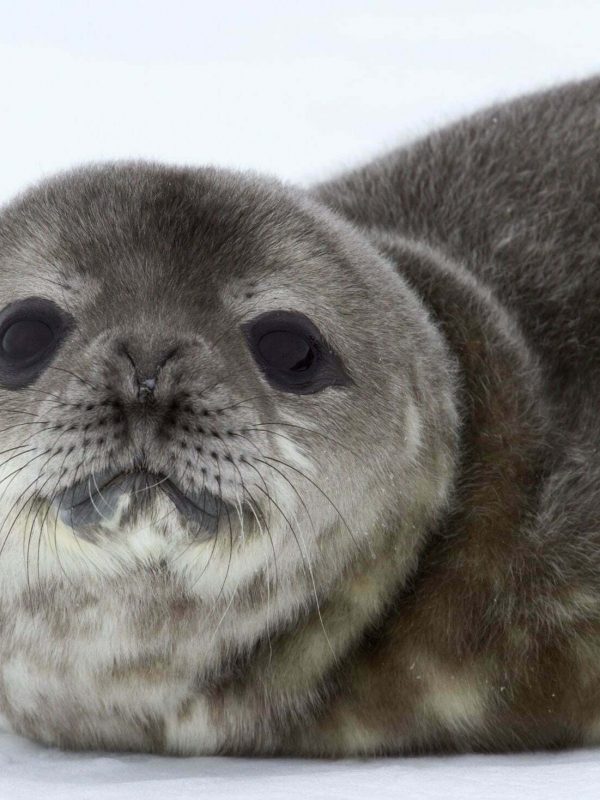
Essential Antarctic marine habitats, including sea ice and the sheltered seafloor under ice shelves, are changing. The effects of these changes are already clear on the Antarctic Peninsula, the northernmost part of Antarctica and one of the most rapidly warming regions on the planet.
In this part of Antarctica, sea ice is declining, ice shelves are melting and the ocean is warming up. Many penguin colonies are shrinking, and some have been abandoned.
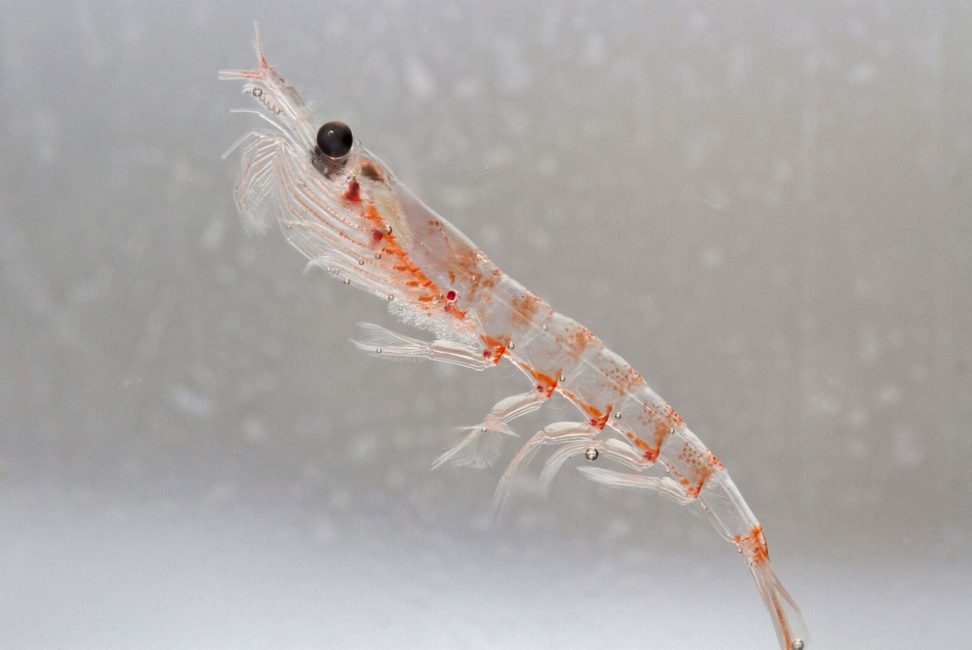
Amidst this disturbance, Antarctic krill fisheries are focusing their activities in small areas of high biodiversity and rapid change. Many vessels take krill from important seabird foraging areas near penguin colonies, despite the fact that krill are a vital food source for penguins.
This area is also frequented by shipping traffic from scientific researchers and the growing tourism industry.

A solution
MARINE PROTECTED AREAS
Marine protected areas support resilient oceans by reducing human impacts, allowing vulnerable ecosystems to adapt to their changing environment.
Preserve biodiversity by protecting the full range of habitats and species in an ecosystem.
Provide refuges for vulnerable species whose habitat may be changing dramatically due to the climate crisis.
Protect migratory pathways, allowing species to adapt, evolve or change their range as habitats shift.
Create natural laboratories where researchers can study the effects of a warming, more acidic ocean on ecosystems, independent of impacts from fisheries and other human activities.

Now is the time
Marine Protected Areas
According to scientists, 30% of the global ocean needs to be set aside in marine protected areas to conserve ocean ecosystems, and help rebuild and manage depleted fish stocks.
ASOC strongly believes that CCAMLR, the international body charged with conserving Antarctic ecosystems, has failed to act decisively for too long. The current proposals for the Southern Ocean represent 1% of the global ocean in some of the regions most threatened by the climate crisis. Join us in the push to protect the Southern Ocean.
MARINE PROTECTED AREAS
The challenge ahead
Despite overwhelming scientific evidence to support the establishment of new Antarctic marine protected areas, progress has been slow.
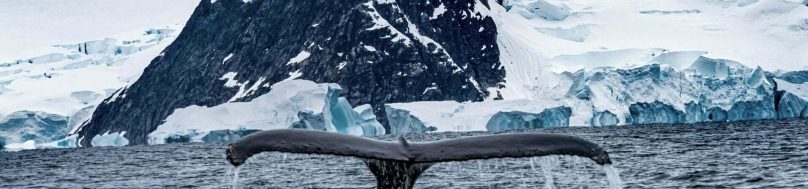
Who can declare an Antarctic MPA?
The Commission for the Conservation of Antarctic Marine Living Resources (CCAMLR) is responsible for designating and regulating MPAs in the Southern Ocean. Its Members include 25 states and the European Union, which meet annually in Hobart, Australia.

CCAMLR’s commitment
CCAMLR has been working towards creating a representative system of MPAs around Antarctica since 2002. In 2009, all Members made a formal agreement to realize this network by 2012.
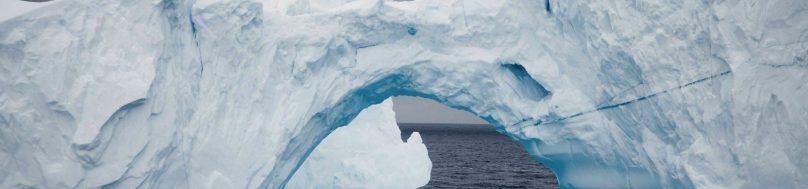
Where are we now?
Since 2016, CCAMLR Members have been unable to reach consensus on any new marine protected areas.

What needs to happen?
ASOC continues to advocate strongly for a representative network of MPAs in the Southern Ocean, starting with existing proposals in East Antarctica, the Weddell Sea, and the Antarctic Peninsula.
MARINE PROTECTED AREAS
What ASOC is doing
Together with our partners and supporters, we continue to call on CCAMLR to fulfill their commitment and establish a network of representative marine protected areas in the Southern Ocean.
We represent the Antarctic conservation community at the highest levels of Antarctic governance, working within the system to advocate for marine protection in the following ways.

Protection
ASOC strongly supports the establishment of a representative network of marine protected areas across the Southern Ocean.
Read more
Protection
ASOC strongly supports the establishment of a representative network of marine protected areas across the Southern Ocean.
Designated MPAs are the most effective way to protect ocean ecosystems.
They protect biodiversity, while mitigating the impacts of a changing climate and providing reference areas for scientific research.
Protecting large areas from fishing and pollution will provide refuges for vulnerable species whose habitat may be changing dramatically.
Read our policy papers:
2024 – Antarctic science requires a protected Antarctica and the Southern Ocean
2023 – CCAMLR MPAs: Where do we go from here? ASOC
2023 – Great Expectations: Moving towards consensus on CCAMLR MPAs in 2023
2023 – From Bremerhaven to Santiago: Reflections on CCAMLR MPA discussions
2023 – Marine Protected Areas and the original meaning of the CAMLR Convention
2022 – Marine protected areas: A global and regional imperative for CCAMLR
2021 – The Seas Must Live: Marine Protected Areas Now
2020 – Rising to the challenge: maintaining CCAMLR’s focus on marine protected areas
2019 – CCAMLR MPAs and the global climate and biodiversity crisis: submitted by ASOC
2018 – Fulfilling CCAMLR’s commitment to create a representative system of marine protected areas
2017 – Toward a System of Marine Protected Areas in the Southern Ocean Submitted by ASOC
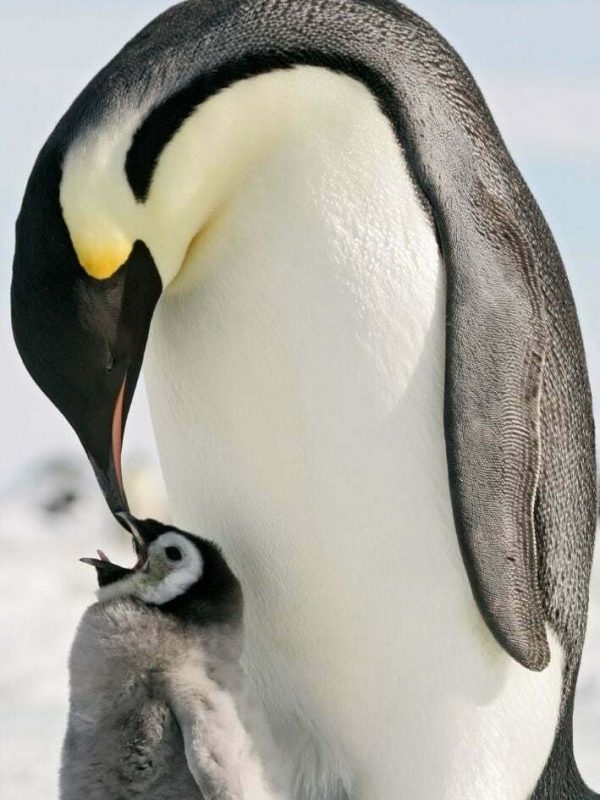
Advocacy
As the only official environmental NGO observer to Antarctic governance meetings, ASOC advocates for science-based policies within the existing Antarctic governance framework.
Read more
Advocacy
As the only official environmental NGO observer to Antarctic governance meetings, ASOC advocates for science-based policies within the existing Antarctic governance framework.
Our primary focus is on building Antarctic ecosystem resilience in the face of the climate crisis. We advocate for policies that reduce the stress on Antarctic ecosystems from human activities such as fishing, tourism, and scientific research. We strongly support the establishment of representative marine protected areas, and deep cuts to global carbon emissions, which represent the greatest threat to the integrity of Antarctica today.
Read our policy papers:
2024 – Antarctic science requires a protected Antarctica and the Southern Ocean
2023 – CCAMLR MPAs: Where do we go from here? ASOC
2023 – Great Expectations: Moving towards consensus on CCAMLR MPAs in 2023
2023 – From Bremerhaven to Santiago: Reflections on CCAMLR MPA discussions
2023 – Marine Protected Areas and the original meaning of the CAMLR Convention
2022 – Marine protected areas: A global and regional imperative for CCAMLR
2021 – The Seas Must Live: Marine Protected Areas Now
2020 – Rising to the challenge: maintaining CCAMLR’s focus on marine protected areas
2019 – CCAMLR MPAs and the global climate and biodiversity crisis: submitted by ASOC
2018 – Fulfilling CCAMLR’s commitment to create a representative system of marine protected areas
2017 – Toward a System of Marine Protected Areas in the Southern Ocean Submitted by ASOC
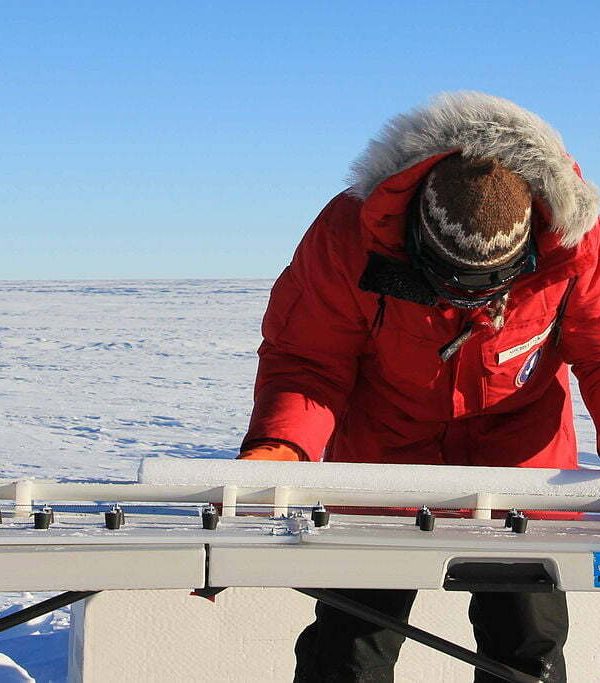
Science
ASOC acknowledges and supports the world-class climate research conducted by Antarctic researchers.
Read more
Science
ASOC acknowledges and supports the world-class climate research conducted by Antarctic researchers.
We present timely, science-based policy proposals at meetings of Antarctic governance organizations, providing Treaty parties with reliable information on how to protect the Antarctic environment.
Read our policy papers in the Ice Archives.
We also share this information with the broader public, promoting actions that will secure a climate-safe future.
Photo credit: NASA ICE
“The global coronavirus pandemic has made it clear that we need to change our behavior and work to protect nature instead of exploiting it. ASOC calls on CCAMLR to demonstrate leadership and fulfill their commitment to meaningful protection of the Southern Ocean.”
Claire Christian
Executive Director, Antarctic and Southern Ocean Coalition
What you can do
MARINE PROTECTED AREAS
Now is the time to call on CCAMLR to make good on its commitment. Join us as we help secure a resilient future for Antarctica and the global ocean today.
