 ASOC
ASOC
Heavy Fuel Oil Ban in Antarctic WatersArchived
In 2004, heavy fuel oils (HFOs) were officially recognised as a potential threat to the Antarctic environment.
After years of campaigning, in 2011, ASOC and its members welcomed a ban on the use and carriage of HFOs in the Antarctic Treaty Area.
What is Heavy Fuel Oil?
HEAVY FUEL OIL BAN
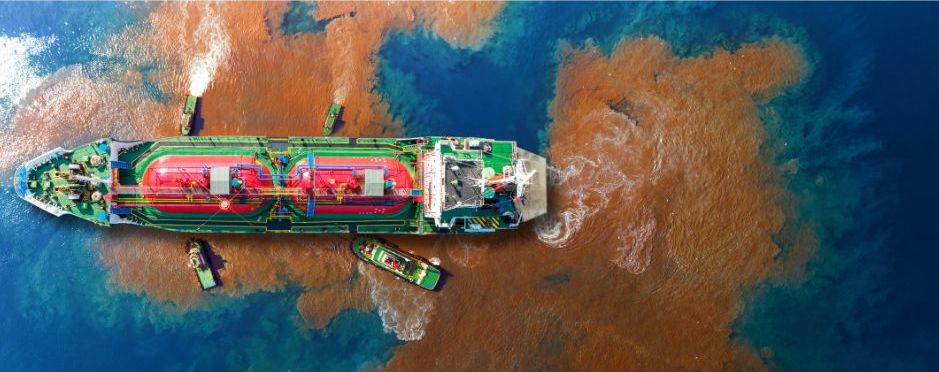
Heavy fuel oil (HFO) is a viscous, sticky, and slow-to-degrade fuel source used to power some ship engines.
HFOs contain toxins harmful to health, and pose a significant risk to Antarctic wildlife and the environment. They emit particulates such as black carbon, and can disperse damaging toxins in the event of an oil spill.
HFOs are particularly dangerous in polar waters, where cold temperatures slow down the natural processes that help break down oils.
Background
HEAVY FUEL OIL BAN
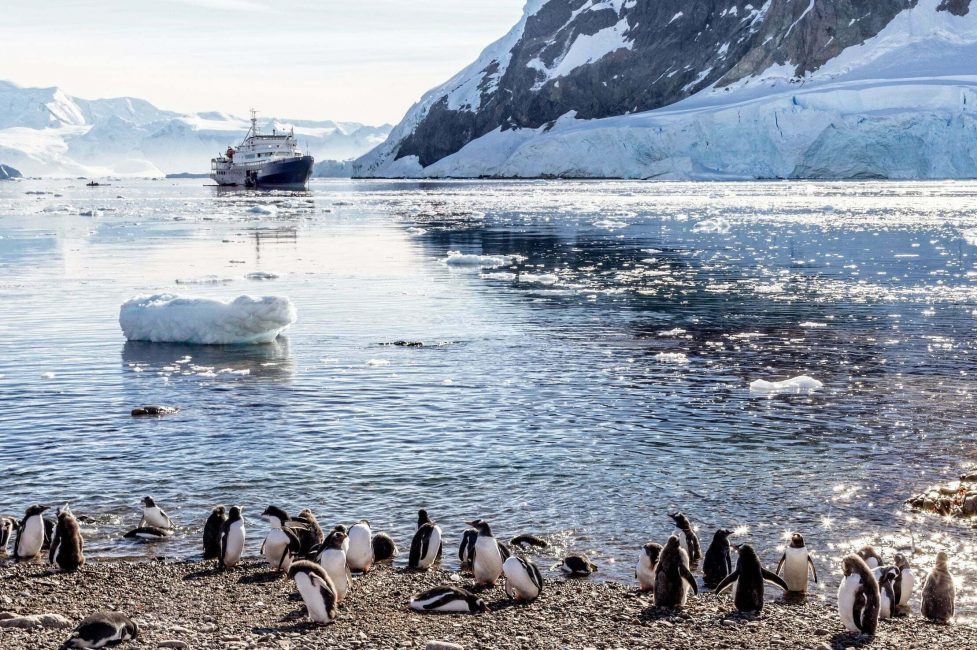
In the early 2000s, more vessels were visiting Antarctica than ever before. Many of them were concentrated around the Antarctic Peninsula during the summer and were not ice-strengthened.
At the 2004 Antarctic Treaty Consultative Meeting, Norway raised concerns about the risk of an oil spill involving HFOs in Antarctic waters.
Ships in the Southern Ocean navigate through icebergs, sea-ice, and uncharted areas in one of the most remote places on earth. Remediation after an HFO spill would be costly, complex, and possibly unfeasible. The consequences could be catastrophic, causing irreversible damage to the Antarctic environment.
Campaign to ban HFOs
HEAVY FUEL OIL BAN
ASOC shared these concerns. Over the next 7 years, ASOC and its members submitted multiple information papers to progress the discussion at meetings of Antarctic decision-makers.
The information papers proposed solutions based on expert advice, such as banning heavier grade fuel oils and discharges of oily substances in Antarctic waters, and introducing minimum vessel ice-strengthening standards.
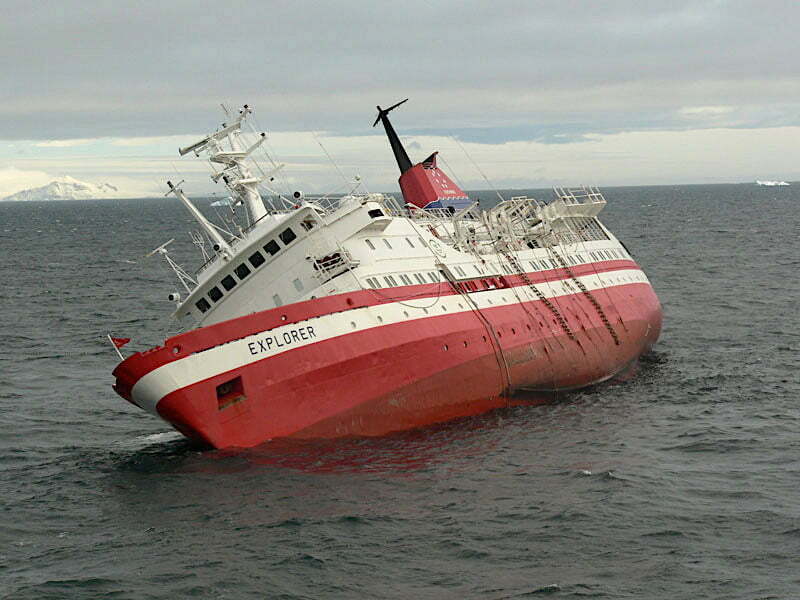
ASOC also tracked maritime incidents in Antarctic waters, some of which resulted in oil spills or required international search and rescue, demonstrating that a major incident in Antarctic waters was a real possibility.

IMO involvement
HEAVY FUEL OIL BAN
International ship travel in the Southern Ocean is regulated principally by the International Maritime Organization (IMO) via flag state nations.
While the Antarctic Treaty System contributes to the regulatory framework, the most effective way to protect the Antarctic against HFOs was through the IMO.
In 2005, the Antarctic Treaty Parties requested that the IMO restrict HFO use in Antarctic waters. Several years of discussion and continued campaigning followed, as parties determined the best way to bring a legally binding ban into effect.

HFO ban approved
HEAVY FUEL OIL BAN
In 2009, the IMO approved amendments to the International Convention for the Prevention of Pollution from Ships (MARPOL), prohibiting the use or carriage of HFOs as fuel or cargo in the Antarctic Treaty Area.
The HFO ban took effect from 1 August 2011, protecting the sensitive and vulnerable waters of the Southern Ocean from the threat of HFO pollution.
Read more about how shipping is regulated in Antarctic waters.
“We are thrilled that this new measure to provide additional protection to the extremely sensitive waters of Antarctica has been promoted by the Antarctic Treaty Parties, adopted by IMO Member States, and will take effect at the earliest opportunity in 2011.”
Jim Barnes, ASOC Founder.

Closing a loophole
HEAVY FUEL OIL BAN
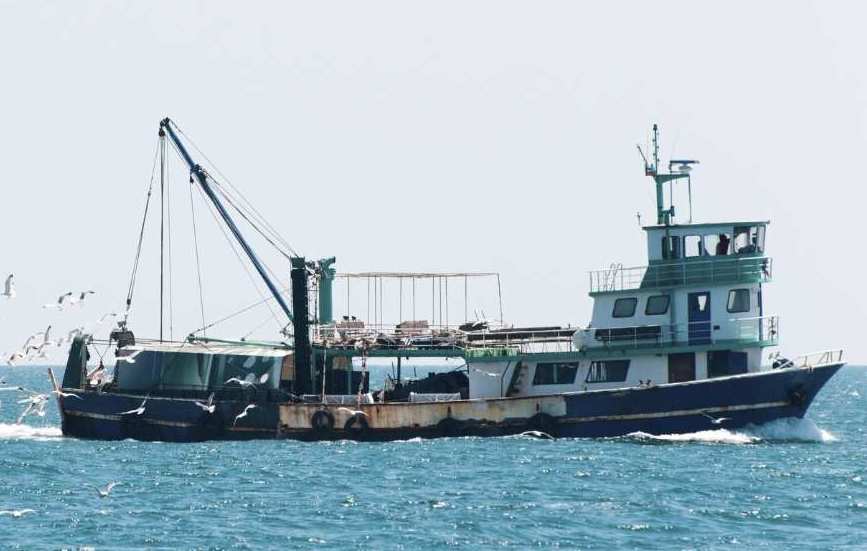
The HFO ban was put to the test in 2013, when a krill fishing vessel caught fire and sank in the Bransfield Strait off the Antarctic Peninsula. All 97 crew were rescued and there was no significant environmental damage reported as the fire most likely burned all fuel on board.
Afterward, it came to light that the vessel had been carrying heavy fuel oil in their ballast tanks, with the intention of using it outside the Antarctic Treaty area. This was considered acceptable under the existing regulation.
ASOC strongly supported a proposal by the United Kingdom and United States to extend the HFO ban to fuel carried in ballast tanks. The amendment was adopted in 2014, closing the loophole and improving the protection afforded to the Antarctic.

PROTECTING ANTARCTICA
Thank you
ASOC has represented the global environmental community for over 40 years. We couldn’t do it without the support of our wonderful members, partners and a global network of Antarctic advocates.
Join us today as we continue to work towards the strongest possible protection for Antarctica and its wildlife.
Antarctic affairs
ADDITIONAL RESOURCES
Now that you’ve learned about the successful campaign to ban the use of heavy fuel oil in Antarctic waters, find out about our current campaigns.
