ASOC
ASOC
Microplastic Pollution
Microplastic pollution has been detected in the Antarctic ocean, snow and penguin feces. Urgent action is needed to address this emerging threat to the Antarctic.

A pristine wilderness?
MICROPLASTIC POLLUTION
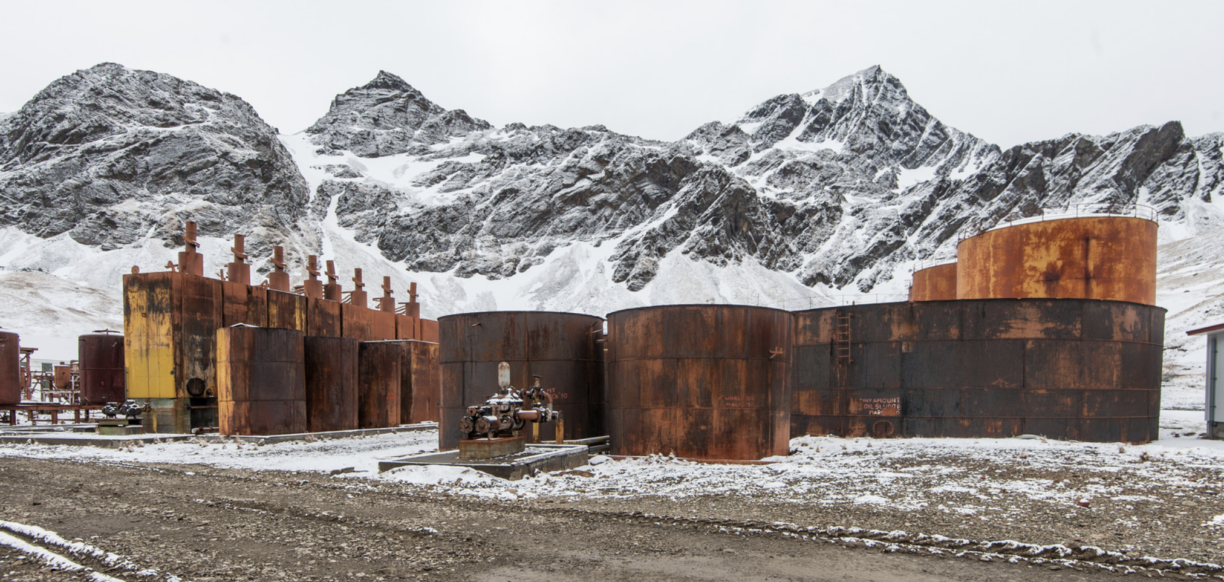
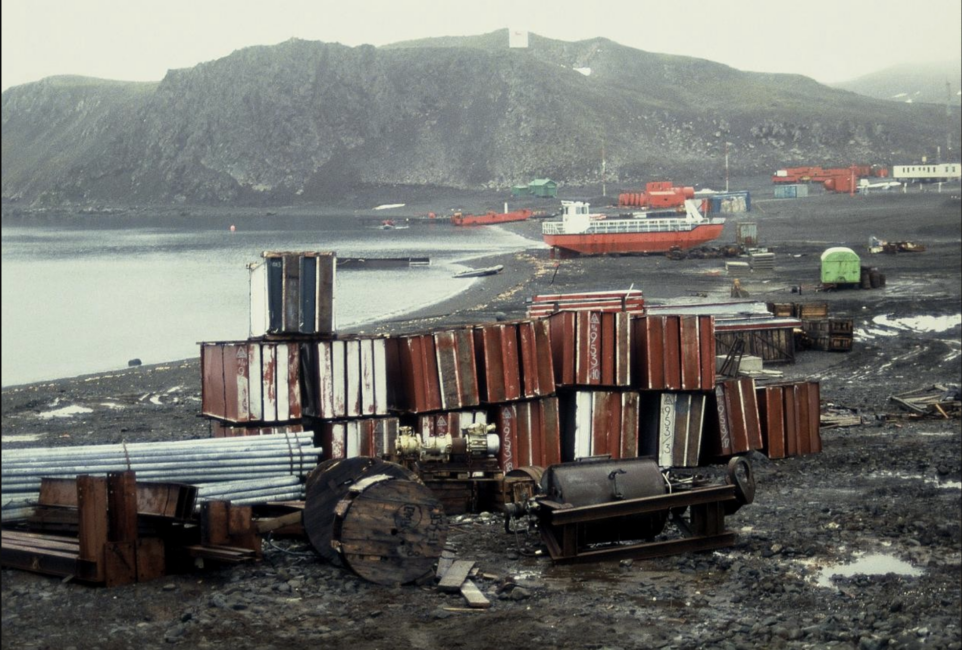
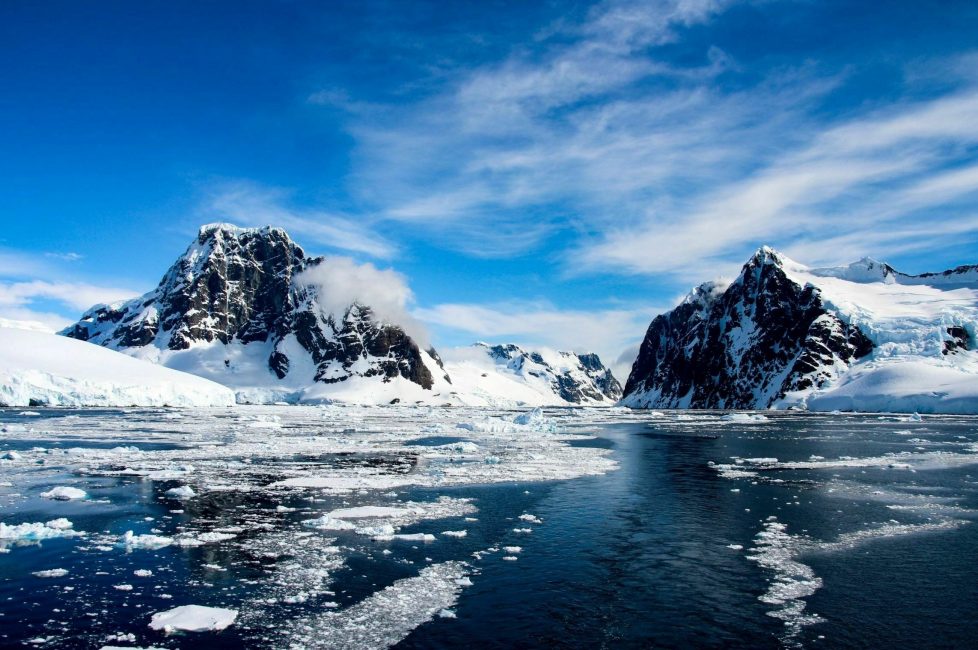
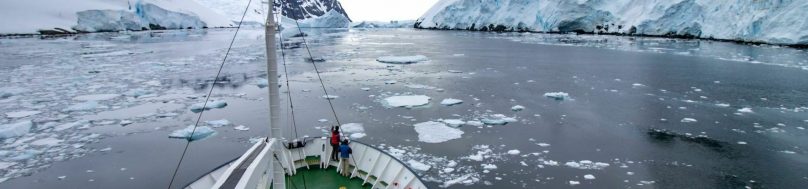
Antarctica and the Southern Ocean may appear to be a pristine wilderness, but some parts of this polar wilderness are visited by scientists, station support staff, fishing vessels, and over one hundred thousand tourists each year.
While some impacts of these activities are visible, others occur under water or in the atmosphere, and are not visible to the naked eye. Microplastics are among the most insidious of these invisible pollutants.
Microplastics in Antarctica
MICROPLASTIC POLLUTION
Microplastics are pieces of plastic less than 5mm long. Primary microplastics include microbeads, such as those found in some exfoliating scrubs and cosmetics, and fibres from synthetic fabrics. Secondary microplastics are created when larger plastic products such as fishing nets or plastic bags break down.
Microplastics are small but abundant.
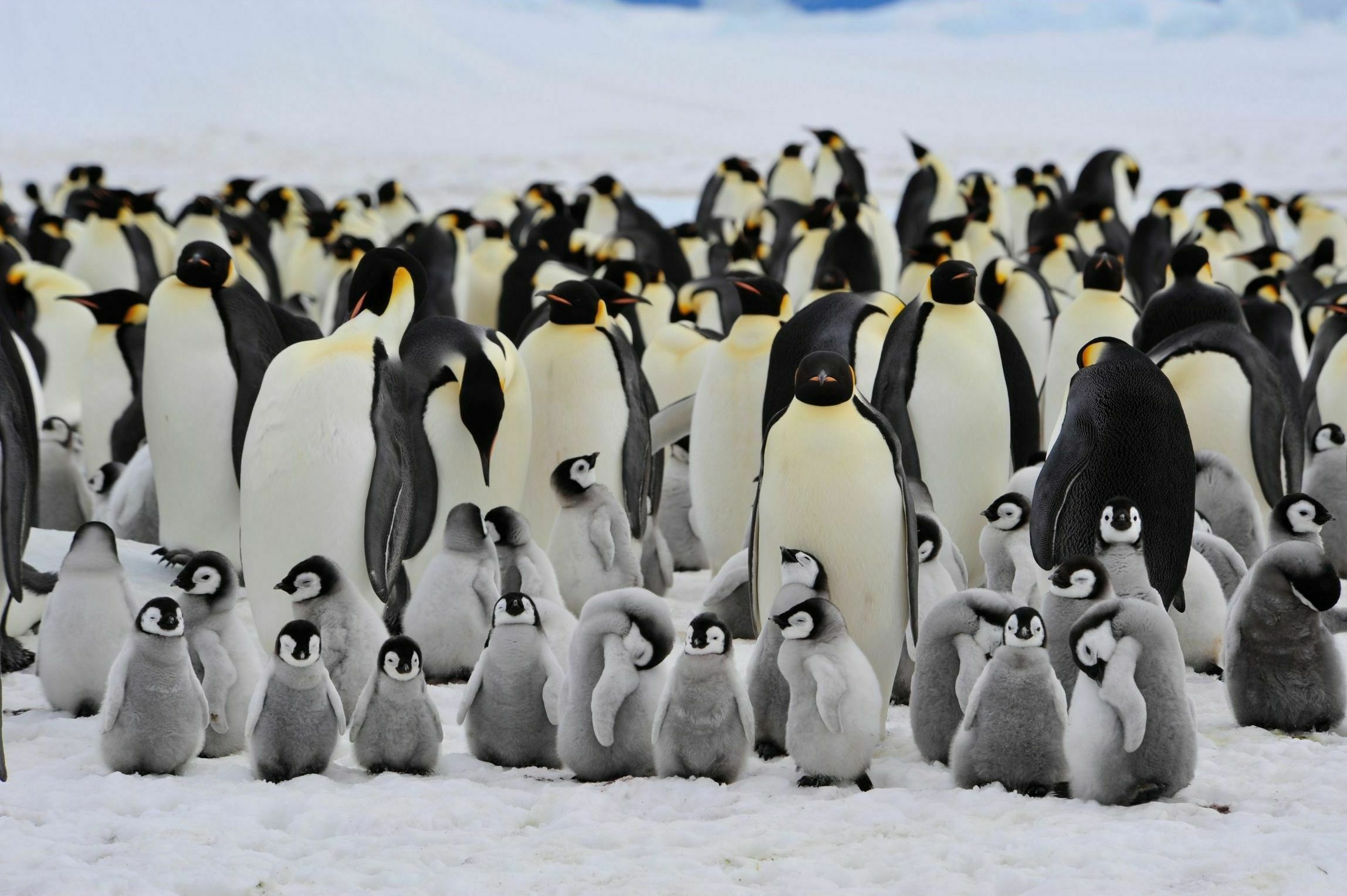
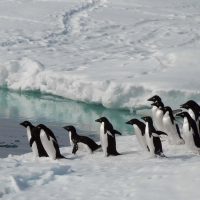
Scientists have discovered microplastics across the Antarctic: in the surface waters and deep sea sediments of the Southern Ocean; in Antarctic snow; in the regurgitated food seabirds feed to their chicks, and in the feces of some Antarctic penguins.
Why it is important
MICROPLASTIC POLLUTION
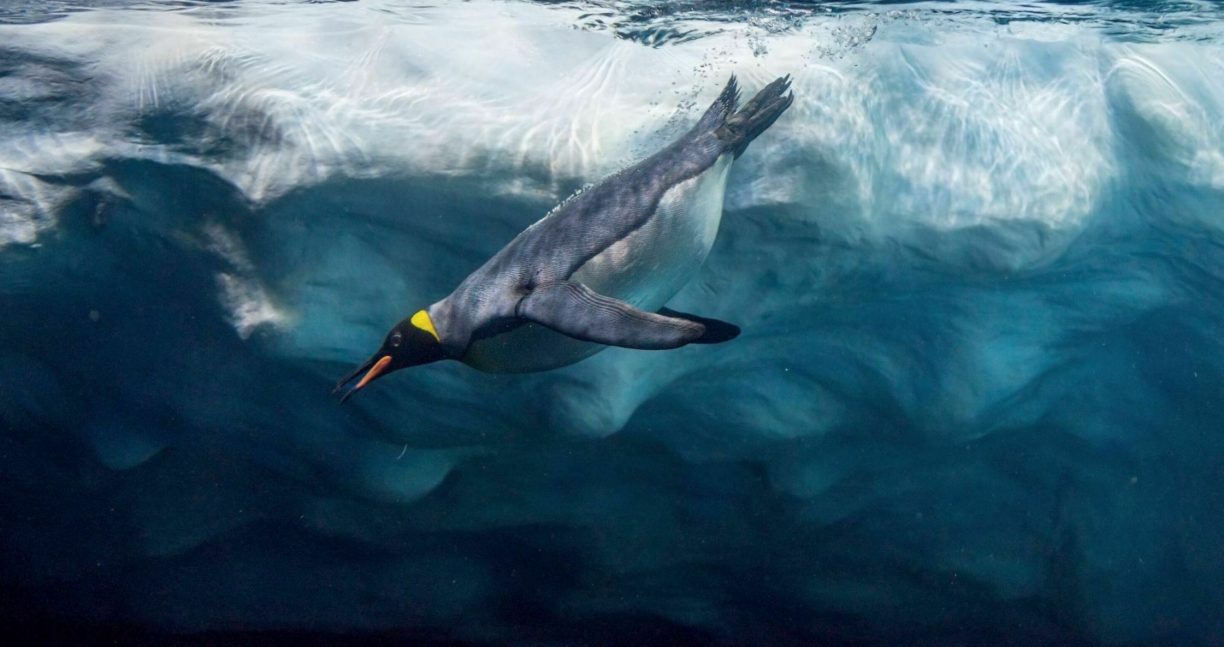
Microplastics can be mistaken for food, or ingested accidentally by seabirds and other marine life.
They can scratch or irritate the esophagus, and fill the stomach without providing any nutrition, leading to starvation.
They can also affect fertility and behavior in some species (Source).

Why it is important
MICROPLASTIC POLLUTION
Microplastics release toxic additives and can transmit invasive species, bacteria and viruses to marine organisms.
When ingested by a keystone species such as krill, the harmful impacts of microplastics may be transferred and magnified through the food web, affecting entire ecosystems (Source).
There are many unknowns about the impact of microplastics on living organisms, and the environment more broadly. Initial studies indicate that there is cause for concern, and more research is needed.
Download our infographics to learn more about microplastics:

Momentum is building
MICROPLASTIC POLLUTION
While some plastic pollution originates in Antarctica, much is transported from the northern latitudes by air and sea. To address microplastic pollution in Antarctica, we must address the problem of plastic pollution both locally and globally.
Negotiations are currently underway to develop a legally binding Global Plastics Treaty. ASOC supports a comprehensive approach that addresses the impacts of plastics across their life cycle.
Sign the petition from ASOC member organizations Agenda Antártica and Only One to demand a strong Global Plastics Treaty.
MICROPLASTIC POLLUTION
You can help
Now is the time to address the threat of microplastic pollution in Antarctica.
With the generous support of our supporters, ASOC will continue to equip governments with the best available science, and advocate for the highest level of protection for Antarctic ecosystems.
MICROPLASTIC POLLUTION
How we work
As the only environmental NGO invited to observe Antarctic Treaty meetings, we represent the Antarctic conservation community at the highest levels of Antarctic governance. We work within the system to push for stronger protection for the Antarctic environment in the following ways:
Within the Antarctic Treaty System
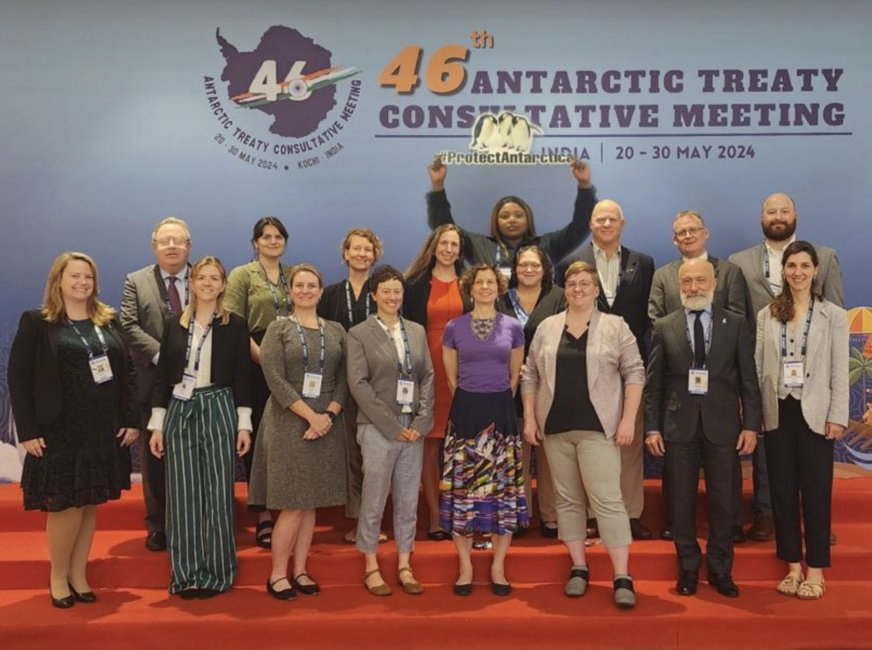
Each year, representatives from over 50 nations gather to make decisions about the future of Antarctica.
Within CCAMLR
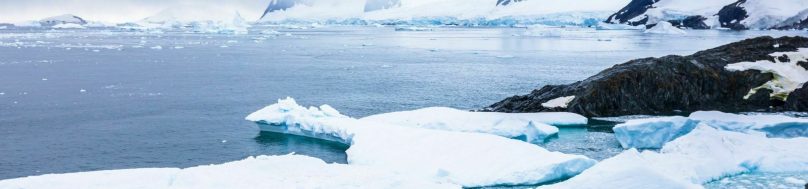
ASOC monitors all issues that impact the Antarctic environment, including plastic pollution, fisheries management, biological prospecting and pirate fishing.

The Polar Code
The International Code for Ships Operating in Polar Waters (Polar Code) aims to promote safe practices and avoid environmental damage in the remote and sensitive polar regions.
International Maritime Organization
The International Maritime Organization (IMO) is an agency of the United Nations charged with regulating global shipping, including the prevention of pollution from ships.
Your support makes a difference.
MICROPLASTIC POLLUTION
Plastic pollution is a global problem, and microplastics are no exception.
Join ASOC as we call on decision makers globally to prioritize the prevention of plastic pollution, and work together to address this emerging threat to Antarctic ecosystems.

MANAGING GRAY WATER
Related reading

References:
Aves et al. (2022). First evidence of microplastics in Antarctic snow.
Jones-Williams et al. (2023). Microplastics in Antarctica – a Plastic Legacy in the Antarctic Snow?
Primpke et al (2024). At second glance: The importance of strict quality control – A case study on microplastic in the Southern Ocean key species Antarctic krill, Euphausia superba.
Waller et al. (2017). Microplastics in the Antarctic marine system: An emerging area of research.
What you can do
MICROPLASTIC POLLUTION