 ASOC
ASOC
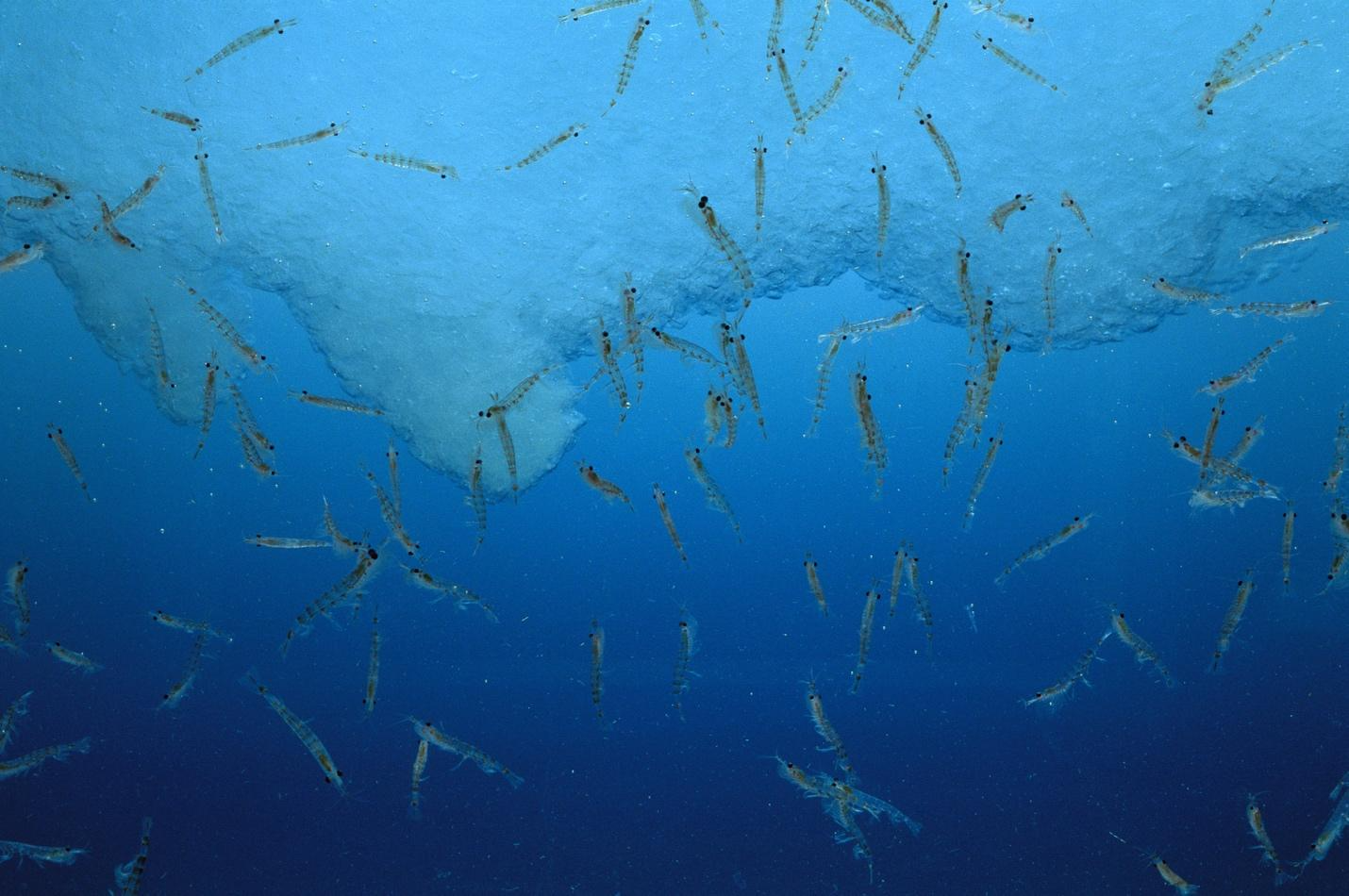
Antarctica may feel far away, but what happens in its icy waters affects the whole planet. Penguins, seals, whales, and countless other creatures rely on one tiny crustacean: krill.
Krill might be small in size, but they are mighty. These shrimp-like animals form the foundation of the Southern Ocean food web, feeding nearly every predator in the region. They also play a critical role in the fight against climate change: by consuming phytoplankton and storing carbon in the deep ocean, krill help remove millions of tons of carbon from the atmosphere every year.
In this blog, we explain the current state of Antarctica’s krill fishery, the challenges facing its wildlife, and why the upcoming CCAMLR meeting is a critical moment for conservation.
What happened at CCAMLR last year?
CCAMLR, the Commission for the Conservation of Antarctic Marine Living Resources, is the international body responsible for conserving Antarctic marine life. Last year, negotiations on key conservation measures collapsed, leaving protections for krill fishing and critical habitats in limbo.
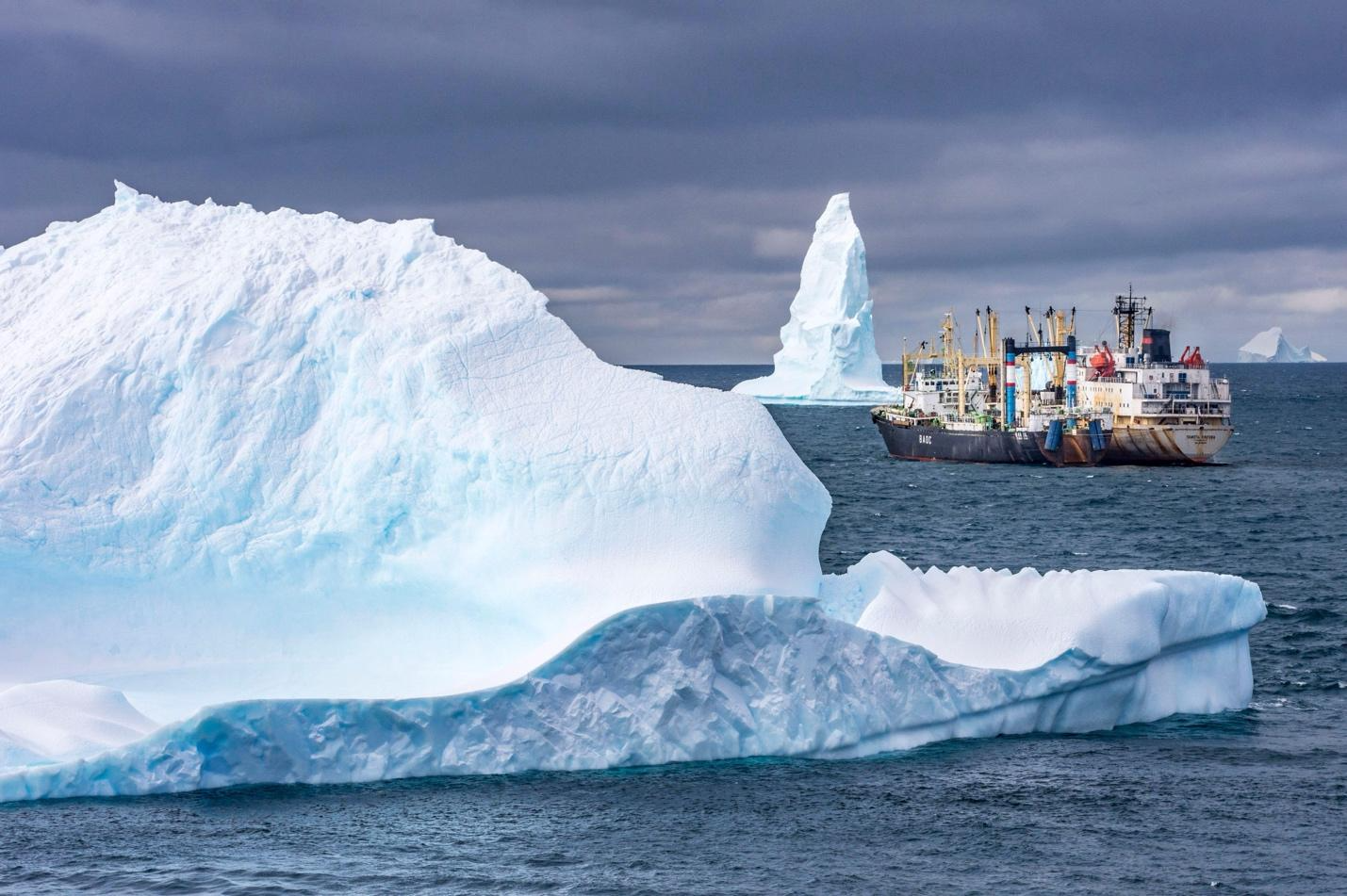
As a result, the rules requiring krill fishing to be spread across a wider area expired. This meant that industrial fleets could concentrate their catches in small, sensitive feeding grounds, where penguins, whales, and seals rely on krill for survival.
The krill fishery reached a historic limit
In 2025, the krill fishery reached record levels. For the first time ever, the fishery had to shut down early because catch limits were reached months ahead of schedule. While the overall catch is still considered pre-cautionary, concentrating it in key feeding areas puts enormous pressure on wildlife. Scientists warn that continued over-concentration could disrupt the Antarctic food web, threatening species that have relied on krill for millennia.
Why the Antarctic Peninsula is critical
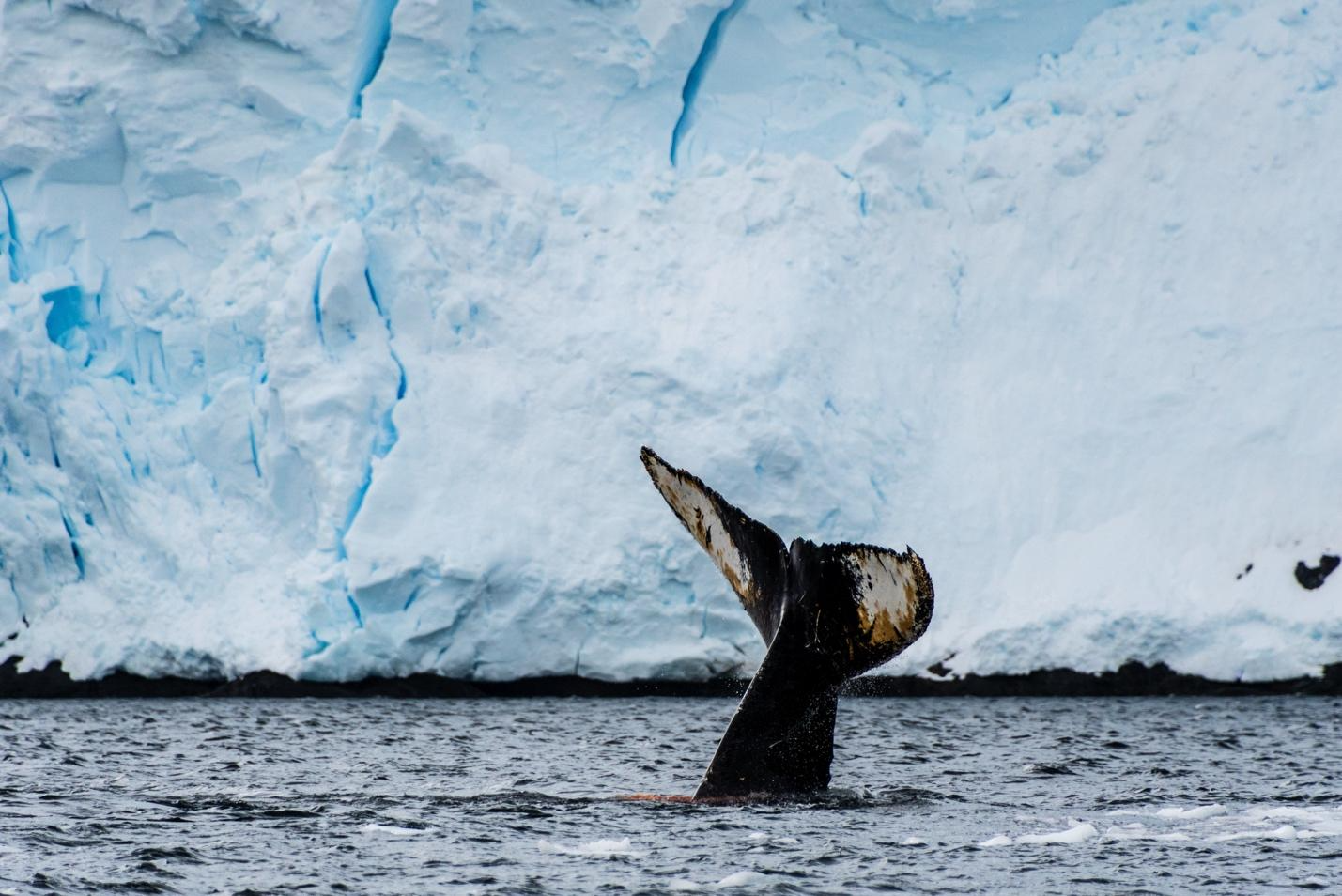
The Antarctic Peninsula, the continent’s northernmost region, is warming faster than almost anywhere else on Earth. Its waters are rich feeding grounds for wildlife and an area of unique ecological importance. Establishing a marine protected area (MPA) here would safeguard key habitats, rebuild resilience to climate change, and support the recovery of penguin, whale, and seal populations.
Healthy krill populations also benefit the fishing industry in the long term, ensuring sustainable catches for years to come. Protecting krill and their feeding grounds isn’t just good for wildlife, it’s good for the ocean and our climate.
Global ocean goals and the High Seas Treaty
Antarctic MPAs are essential to achieving the global 30×30 target: protecting 30% of the world’s ocean by 2030. Currently, only about 10% of oceans are protected, making the Southern Ocean key to meeting this goal.
The UN High Seas Treaty, ratified by 60 countries, allows nations to create MPAs in areas beyond national jurisdiction. But the implementation of the Treaty is just beginning, which makes CCAMLR’s October 2025 meeting a critical opportunity to protect this unique region as fast as it requires it. By approving the Antarctic Peninsula (Domain 1) MPA, CCAMLR Members can demonstrate the same ambition and leadership the world saw in the High Seas Treaty negotiations.
Why action matters now
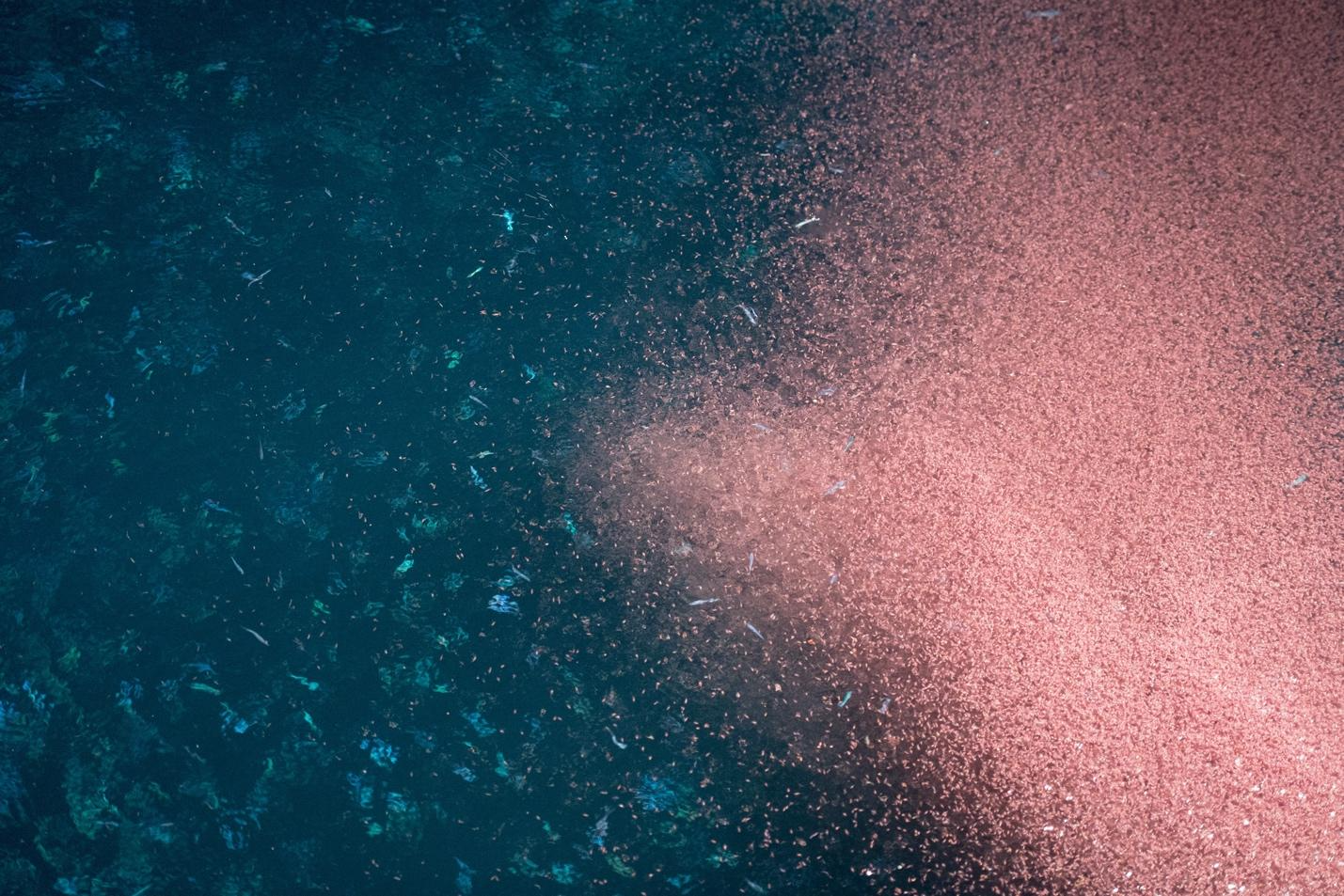
Without immediate action, concentrated krill fishing, combined with climate change, could disrupt the Antarctic food web, threatening penguins, whales, seals, and seabirds. But this October, CCAMLR has the tools to adopt the Antarctic Peninsula MPA to protect one of Earth’s most wildlife-rich and climate-critical regions, help achieve the global 30×30 target, and show that multilateral action for the ocean is possible.
CCAMLR has the power. It just needs the political will.