 ASOC
ASOC
This month, news broke that, for the first time ever, the krill fishery in the Southern Ocean reached its annual quota, causing early closure of the fishery on August 1, 2025. Antarctic krill are tiny crustaceans that make up the foundation of the Antarctic food web. This news is the sad but unsurprising result of the expiration of key fishery management measures last year. So, how did we get here, and what happens now?

The End of CM 51-07
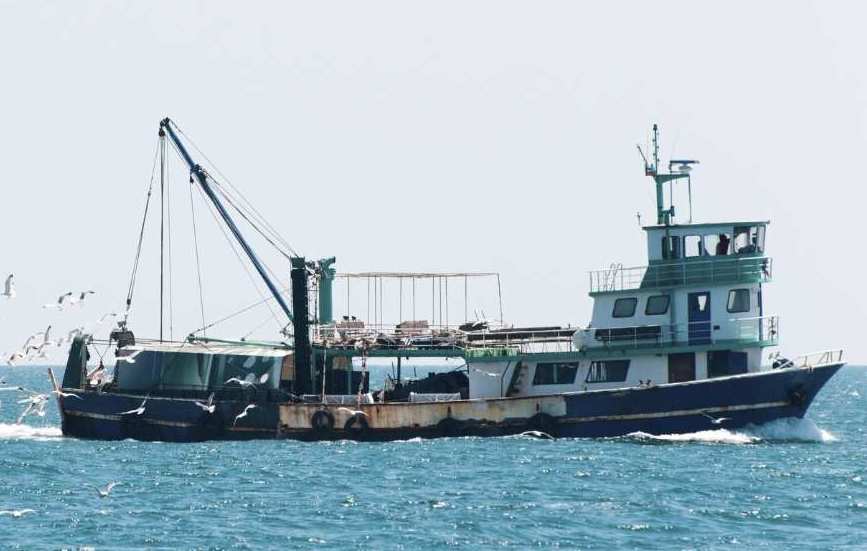
The Commission for the Conservation of Antarctic Marine Living Resources (CCAMLR) is the international body charged with conservation and management of Antarctica’s marine resources. At their annual meeting last year, CCAMLR Members were unable to reach consensus on the renewal of Conservation Measure 51-07 (CM 51-07), a fishery management measure that spread out the krill catch over a broader geographic area in an attempt to limit ecosystem impacts from concentrated krill fishing. That means that this year, the krill industry had far fewer constraints on where they fish for krill, allowing for faster and easier harvesting of a record amount of krill. As a result, the industry hit its annual quota of 620,000 metric tonnes for the first time ever. Hitting this quota caused closure of the krill fishery three months early – another first in the history of krill fishing in the Southern Ocean.
Consequences
This news, first reported by the Associated Press, has alarmed scientists and conservationists alike. Krill are a keystone species and the foundation of the Antarctic food web with many Antarctic animals eating krill directly, or eating other animals that eat krill. The problem with krill fishing has never been the impact to the overall biomass, but rather the impacts to local krill predator populations. When a fleet of industrial trawlers effectively hoovers up the primary food source for a raft of penguins or a pod of whales, they are forced to travel longer and longer distances to feed. In fact, researchers have recently noted that as whale populations rebound from their near extirpation from commercial whaling in the Southern Ocean, they now find themselves competing with industrial trawlers for krill. Sadly, competition over this resource has resulted in the deaths of multiple humpback whales in recent years.

Hope for the future?
CCAMLR will meet October 20-31, 2025 to discuss management of the krill fishery and to consider the adoption of new marine protected areas in the Southern Ocean. In light of the alarming news around the krill fishery catch limit and closure, there has never been a more important time for CCAMLR Members to come together to prioritize progress on improved krill fishery management measures.
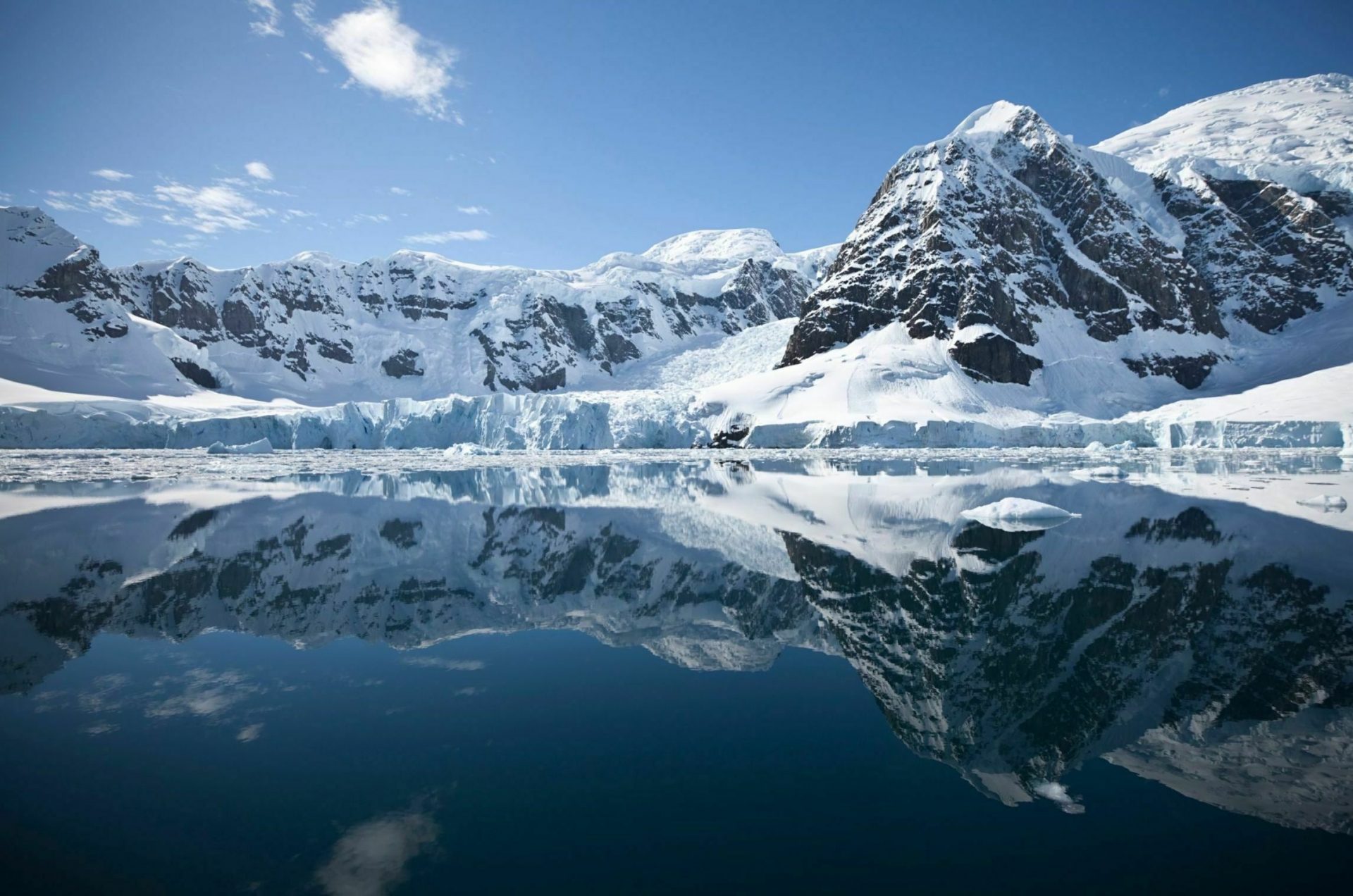
Additionally, any resolution of issues related to krill also requires the Commission to agree to the establishment of new marine protected areas. In 2009, CCAMLR committed to establish a representative network of Southern Ocean MPAs. To date, two MPAs have been adopted, but four more are awaiting approval. The Antarctic Peninsula MPA (D1), is particularly relevant in the discussion on krill fishing, as much of the proposed MPA overlaps with current krill fishing grounds. If all four MPA proposals were agreed, 26% of the Southern Ocean would be protected (nearly 3% of the global ocean). This would be the largest act of ocean conservation in history and make a major contribution towards 30×30. Learn more about the proposals here.