 ASOC
ASOC
Climate Crisis in Antarctica
Antarctica is at a crossroads. The global climate crisis is interrupting natural processes across large parts of Antarctica and the Southern Ocean.
As we stand on the brink of catastrophic change, the actions we take over the next decade will determine the course of human civilization for generations.
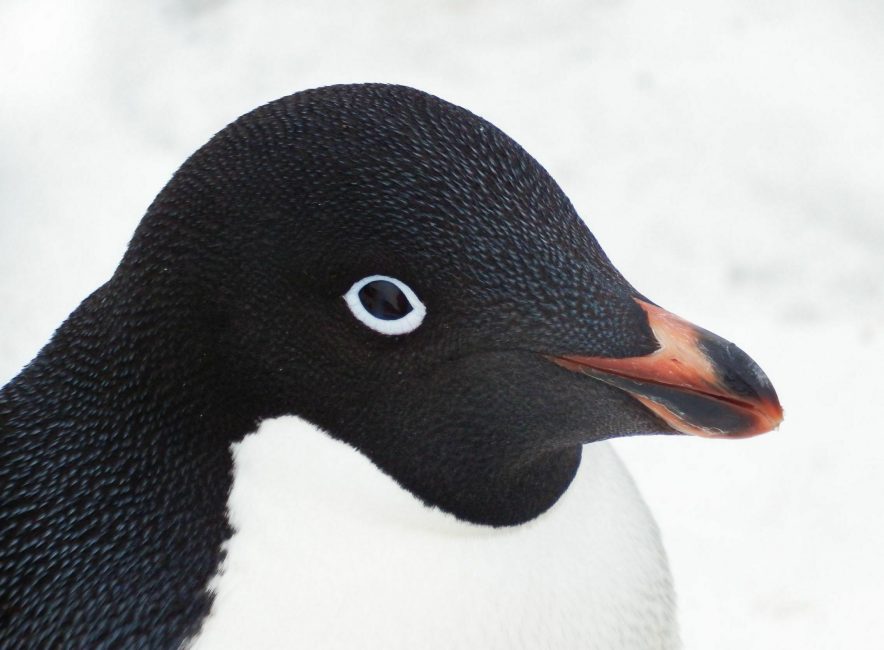
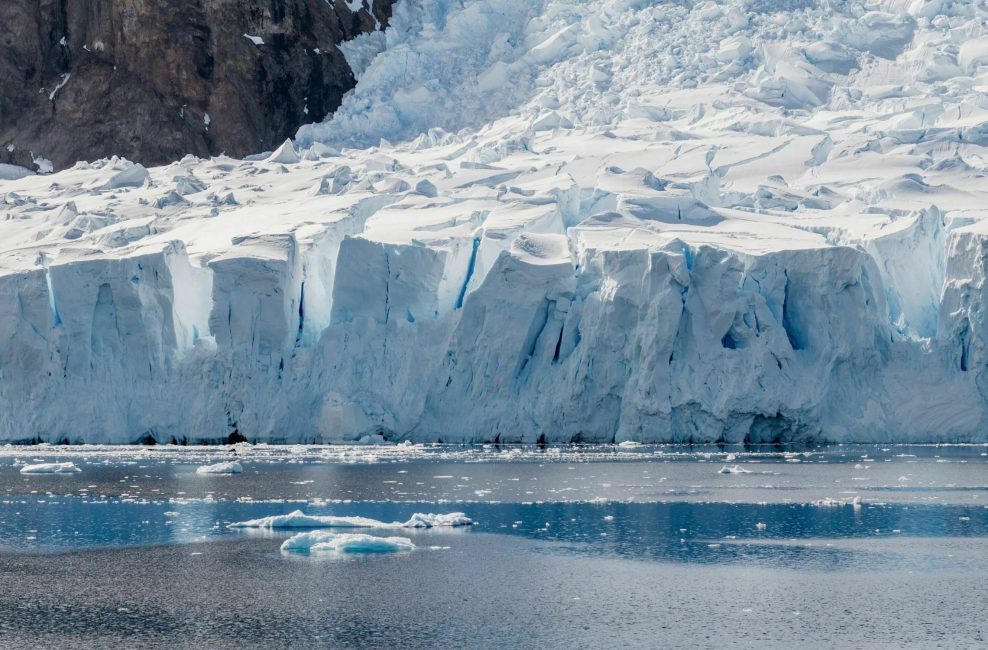
What’s happening?
CLIMATE CRISIS IN ANTARCTICA
Antarctica and the Southern Ocean play a central role in regulating Earth’s climate system. Through their influence on global ocean circulation, heat storage, and carbon cycling, changes in the Antarctic region have consequences far beyond the continent itself.
Over millions of years Antarctic ice, oceans, and ecosystems have helped regulate global temperatures. Ice reflects solar energy and contributes to ocean circulation patterns that redistribute heat around the planet. Antarctic ecosystems draw significant amounts of carbon from the atmosphere and store it in the ocean for long periods, reducing its contribution to atmospheric warming.
These interconnected systems have helped maintain a relatively stable climate for millennia, but they are now undergoing rapid change.
CLIMATE CRISIS IN ANTARCTICA
What are the impacts?
We know the Antarctic plays a critical role in regulating the global climate, and that global heating is disrupting polar systems. Scientists are working to understand these shifts, and to make sense of complex changes that are already affecting life across the globe.
Follow the links below to learn more about the climate crisis in Antarctica.

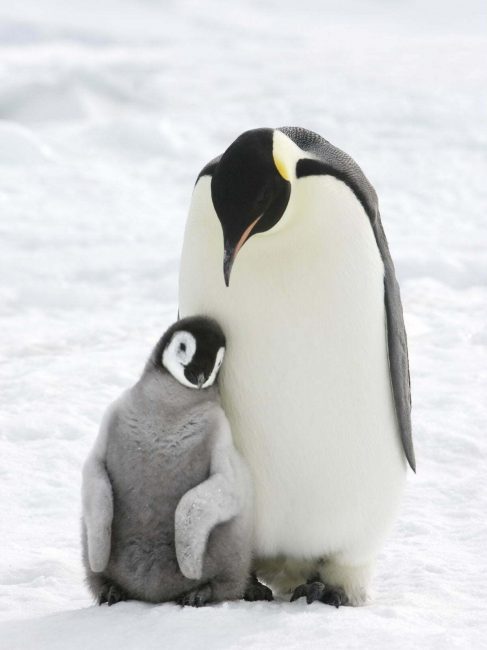
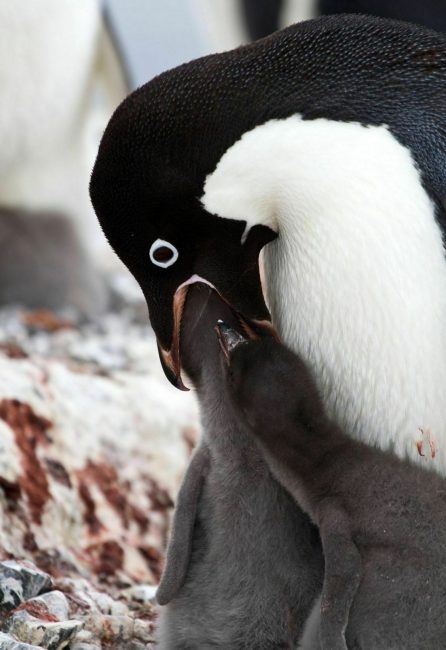
Penguins
Since 1980, several penguin colonies on the Antarctic Peninsula have vanished.
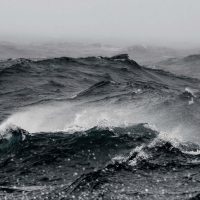
Heating Ocean
The Southern Ocean is slowing climate change by absorbing excess heat. But it comes at a cost.
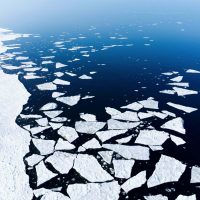
Sea Ice
Sea ice is more than just frozen ocean. It is a vital habitat and critical climate regulator.


Why it’s important
CLIMATE CRISIS IN ANTARCTICA
What happens in Antarctica doesn’t stay in Antarctica. In fact, it affects all of humanity.
Reduced winter sea ice threatens to slow global ocean circulation and drive extreme weather events across the globe. Find out more.
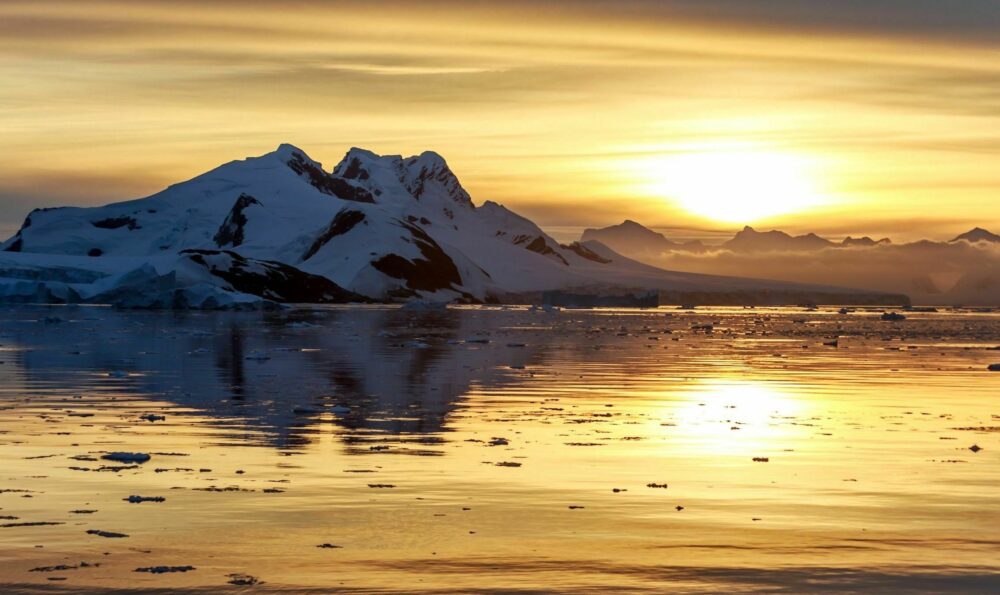
Antarctic glaciers are melting at an accelerating rate, with the potential to raise global sea levels by hundreds of feet. Even a few feet of sea level rise would be catastrophic for millions of people, destroying critical sources of freshwater and farmland with saltwater, and displacing millions of people. Find out more.
CLIMATE CRISIS IN ANTARCTICA
What ASOC is doing
ASOC advocates for rapid cuts to carbon emissions, and policies that will build Antarctic ecosystem resilience in the face of climate change.
We work to build awareness of the impacts of climate change on the Antarctic environment through public advocacy, reporting to Antarctic governance meetings, and conducting outreach to governments.
CLIMATE CRISIS
How we work
As the only environmental NGO invited to observe Antarctic Treaty meetings, we represent the global conservation community at the highest levels of Antarctic governance.
We work within the system to address the climate crisis in the following ways:
Marine Protected Areas
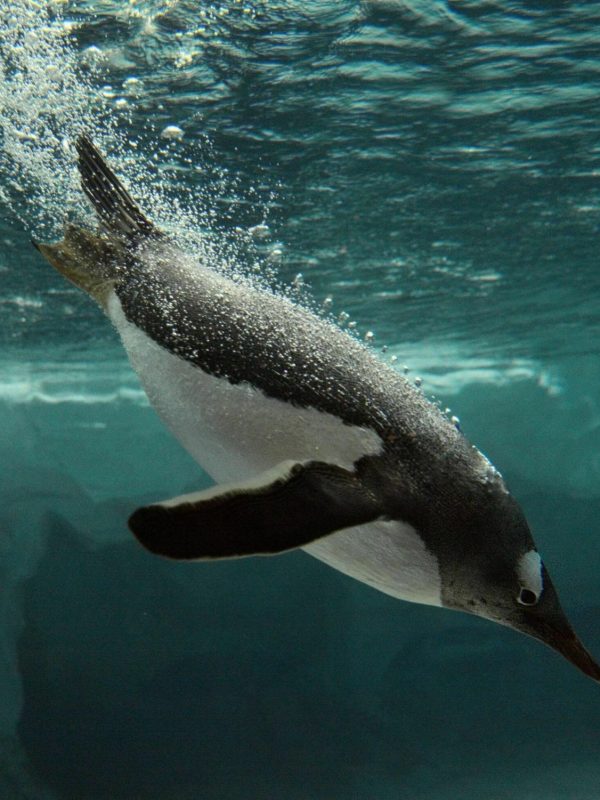
ASOC strongly supports the establishment of a representative network of marine protected areas across the Southern Ocean.
Read more
Marine Protected Areas
ASOC strongly supports the establishment of a representative network of marine protected areas across the Southern Ocean.
Marine protected areas (MPAs) are designated areas of the ocean where some activities, such as fishing or shipping, are restricted or prevented to support healthy ecosystem function.
MPAs are particularly important in regions affected by climate change. Reducing the pressures of human activities can allow ecosystems a bit more space to adapt and adjust to changing conditions.
MPAs are important for humans as well. Natural cycles that take place on a huge scale in the Southern Ocean, for example the birth and death of krill and whales, have a measurable effect on the global climate.
These are just a few of the reasons that MPAs are such a vital step towards building a climate-resilient future.
Find out more about our Marine Protected Area campaigns.
Read further:
Antarctic krill, biogeochemical cycles, and climate.
Within the Antarctic Treaty System
ASOC advocates for precautionary, science-based policies at the highest levels of Antarctic governance.
Read more
Within the Antarctic Treaty System
ASOC submits information papers about climate change at intergovernmental meetings, keeping the pressure on Parties to acknowledge the seriousness of climate change in Antarctica, and to take urgent action.
ASOC encourages Antarctic Treaty Parties to lead the global decarbonization movement, reduce carbon emissions, and to share their knowledge about the global importance of the Antarctic – both as a climate regulator and potential source of catastrophic sea level rise – at global meetings about climate change.
ASOC also promotes the implementation of specific climate adaptation strategies, including:
- Biosecurity measures to prevent competition from invasive species.
- Establishing a representative network of Marine Protected Areas.
- Monitoring and reducing carbon emissions released by human activity in Antarctica including science, tourism and fisheries.
- The implementation of adaptive management systems which incorporate uncertainty and respond to new information.
Read our information papers:
2025 – Critical climate thresholds for the Antarctic Ice Sheet
2023 – Increasing evidence of critical sea level rise with emissions above 1.5°C Paris Agreement limit

The Polar Code
ASOC advocates for mandatory measures within the Polar Code to address the climate impacts of shipping and reduce its contribution to environmental change in polar regions.
Read more
The Polar Code
The International Code for Ships Operating in Polar Waters aims to avoid environmental damage in the remote and sensitive polar regions.
The International Code for Ships Operating in Polar Waters (Polar Code) was adopted by members of the International Maritime Organization (IMO), and entered into force in 2017.
It builds on existing IMO instruments, including the International Convention for the Safety of Life at Sea (SOLAS) and the International Convention for the Prevention of Pollution from Ships (MARPOL), introducing geographically-specific regulations that take into account the unique characteristics and sensitivities of the polar regions.
While the Polar Code is definitely a positive step for protection of polar waters, as well as the humans who live and work there, it contains gaps that need to be addressed, including regulations on gray water disposal, global carbon emissions and black carbon pollution.
ASOC participates in international meetings where the Polar Code is on the agenda, calling for reductions in black carbon emissions through the use of technology such as particulate filters, which could virtually eliminate further damage from black carbon.
Download black carbon infographic.
Read about our campaign to strengthen the Polar Code.
Learn more about the Polar Code.
Visit the IMO SOLAS web page.
Visit the IMO MARPOL web page.
What you can do
climate crisis
It’s not too late to act. The greatest threats to Antarctica today come from right here – where we live. As Antarctica nears irreversible tipping points, we must take urgent action now to secure a safe climate future.


References and further reading
ASOC (2026) Climate response report card
ASOC (2026) Critical warming thresholds for the Antarctic Ice Sheet and implications for irreversible sea-level rise
ASOC (2026) Overshoot of 1.5°C and implications for Antarctica and the Southern Ocean
ASOC (2025) Critical climate thresholds for the Antarctic Ice Sheet and the risk of multi-meter sea-level rise
ASOC (2025) Geoengineering in Antarctica is not a solution to rapid ice loss and irreversible sea-level rise
ASOC (2023) Carbon Footprints of Antarctic Activities
ASOC (2023) Increasing evidence of critical sealevel rise with emissions above 1.5°C Paris agreement limit
ASOC (2023) Irreversible near-term consequences of Southern Ocean acidification with current CO2 emissions pathways
ASOC (2022) Banning Hydrocarbon Extraction in Antarctica Now: Reducing the Risks and Impacts of Global Climate Change
ASOC (2019) Limiting global warming to 1.5°: the Antarctic context
ASOC (2017) Climate change report card
ASOC (2017) Decarbonizing Antarctic Operations
ASOC (2016) Antarctic Climate Change Report Card
ASOC (2015) Climate Change 2015: A Report Card
ASOC (2014) Antarctic Climate Change Report Card 2014
ASOC (2014) Near-term Antarctic Impacts of Black Carbon and Short-lived Climate Pollutant Mitigation
ASOC (2013) Black Carbon and other Short-lived Climate Pollutants: Impacts on Antarctica
ASOC (2013) Update: The Future of the West Antarctic Ice Sheet
ASOC (2011) Ocean Acidification and the Southern Ocean
ASOC (2010) Energy Efficiency And Renewable Energy Under Extreme Conditions: Case Studies From Antarctica
ASOC (2010) Key Climate Change Actions in Antarctica: Emissions Reduction, Adaptation and Science
ASOC (2009) Policy Implications Arising from SCAR’s Report: Antarctic Climate Change and the Environment
ASOC (2008) Impacts of Climate Change on Antarctic Ecosystems
ASOC (2007) The Antarctic and Climate Change
ASOC (2006) The Antarctic and Climate Change
ASOC (2005) The Antarctic and Climate Change
Marshall, J. & Speer, K. (2012). Closure of the meridional overturning circulation through Southern Ocean upwelling. Nature Geoscience, 5, 171–180. https://doi.org/10.1038/ngeo1391
Rintoul, S.R. (2018). The global influence of localized dynamics in the Southern Ocean. Nature Climate Change, 8, 635–636. https://doi.org/10.1038/s41586-018-0182-3
Sidey, Richard. Video: Adélie penguins on ice. Source.