Protecting Antarctica

Antarctica and the Southern Ocean are at a crossroads. As the climate continues to warm and human activity in this remote wilderness increases, urgent protection is needed to secure a safe future for Antarctica and its remarkable ecosystems.

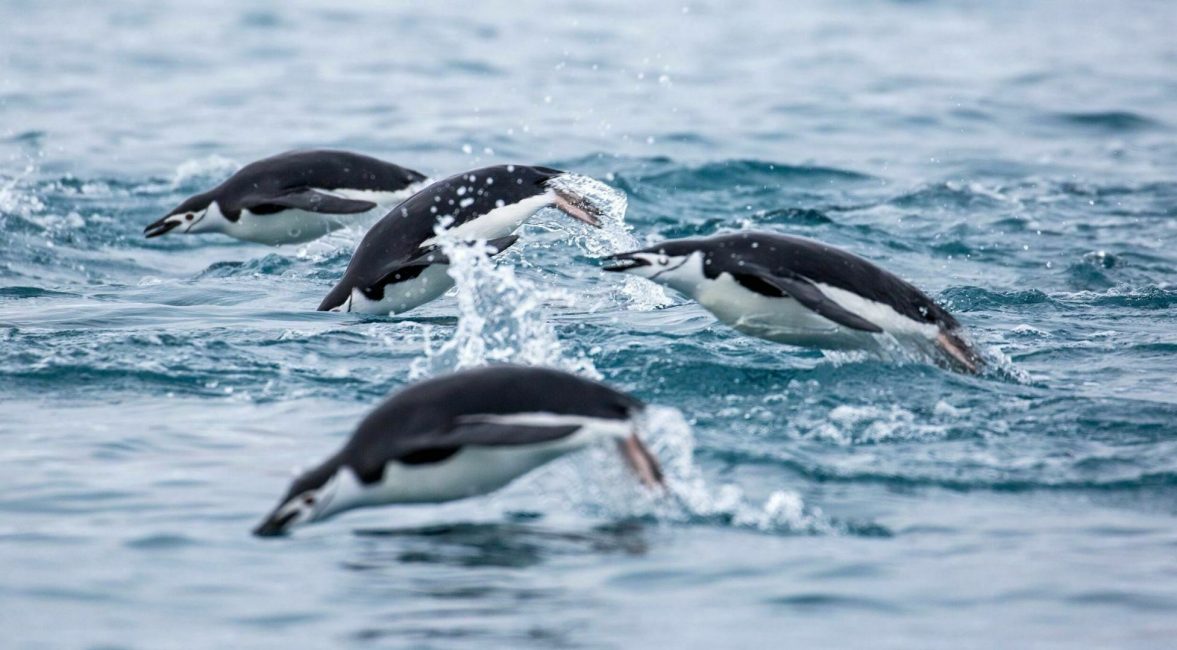
Chinstrap penguins porpoising.
Chinstrap penguins (Pygoscelis Antarcticus) porpoising. Image credit: Canva.com

What’s happening?

PROTECTING ANTARCTICA

Antarctica is governed under a unique system of international law, known as the Antarctic Treaty System (ATS). The ATS comprises several legal agreements, including the Environmental Protocol, which designates the continent as a “natural reserve, devoted to peace and science,” and commits Parties to the “comprehensive protection” of the Antarctic environment and its ecosystems (Art. 2).

The adoption of the Environmental Protocol was a landmark achievement, which placed environmental protection at the heart of Antarctic governance. However, economic and geopolitical factors can derail even the best of intentions, and over the years these principles have been applied unevenly.
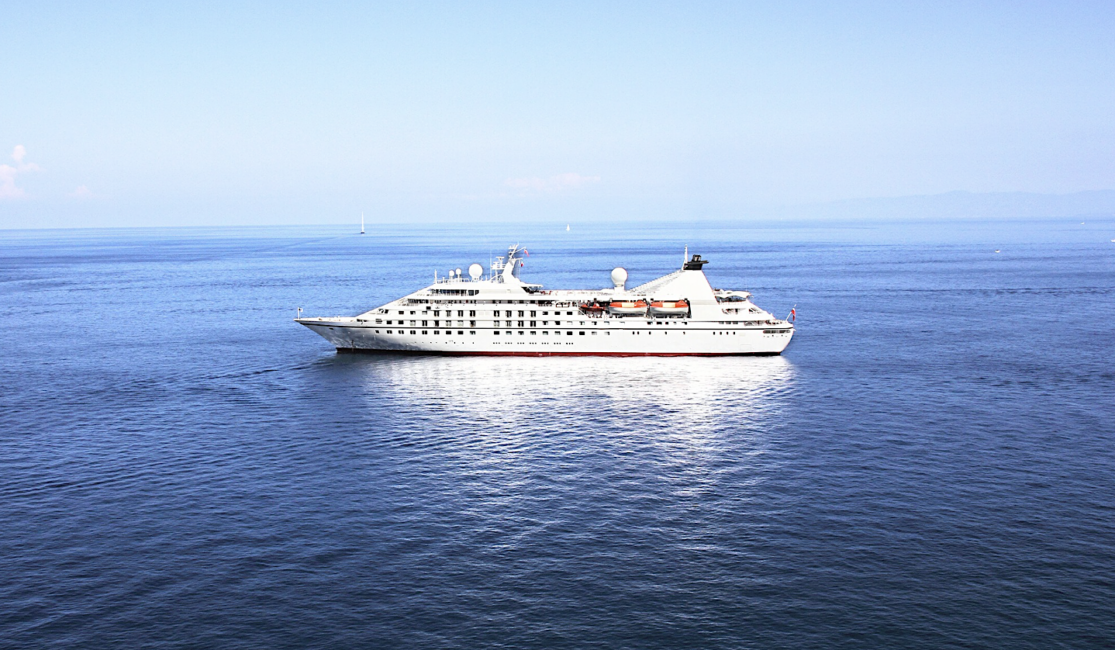
vessel
Tourism vessel in Antarctic waters. Image credit: Canva.com

What’s happening?

PROTECTING ANTARCTICA

Despite the best intentions of most Parties, commercial industries such as fisheries and tourism are growing and concentrating in areas of the Antarctic that are severely impacted by a warming climate. A lack of effective monitoring and enforcement regimes complicates efforts to protect these vulnerable regions. 

Urgent action is needed to prevent irreversible damage, and support climate-resilient ecosystems at this time of rapid change. ASOC advocates for a precautionary approach and strong, enforceable environmental protection at the highest level of Antarctic governance.
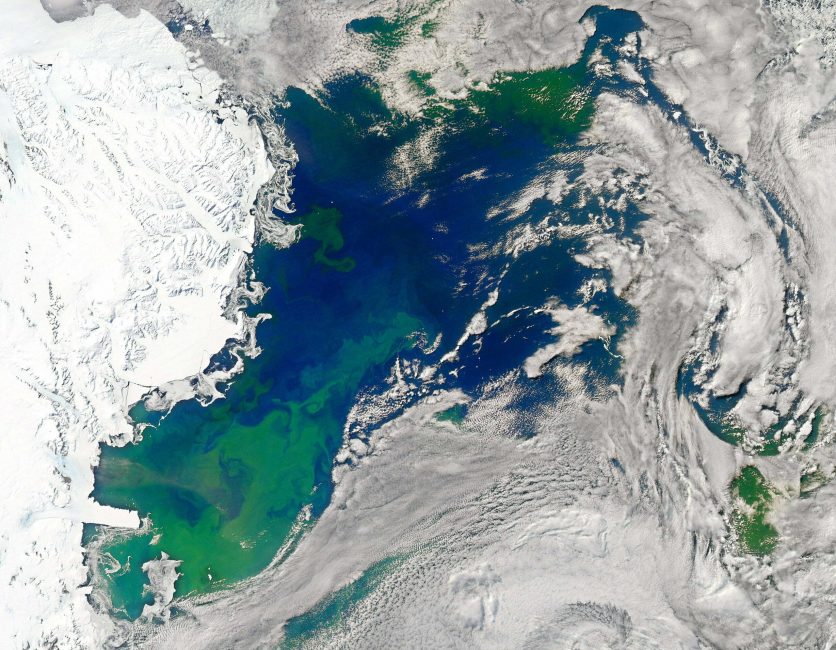
Phytoplankton bloom in Ross Sea_NASA Goddard
Phytoplankton bloom in Ross Sea. Image credit: NASA Goddard

Why it’s important

Protecting Antarctica

It’s easy to love Antarctica! But why is it so important to protect this remote pole of the planet?

The Environmental Protocol recognizes the intrinsic value of the Antarctic and its dependent and associated ecosystems. It also calls out the wilderness and aesthetic values unique to the Antarctic, and the importance of Antarctica and the Southern Ocean for global scientific research. Antarctica and the Southern Ocean also perform priceless ecosystem services that help keep the global climate in balance (source).

antarctic sunrise

PROTECTING ANTARCTICA

Our commitment

Together with our international team of Coalition members, partners, advisors, campaigners and supporters, ASOC informs and motivates decision makers to adopt the strongest possible protections for the Antarctic environment.

PROTECTING ANTARCTICA

How we work

ASOC represents the global conservation community at the highest levels of Antarctic governance, working within the system in the following ways:
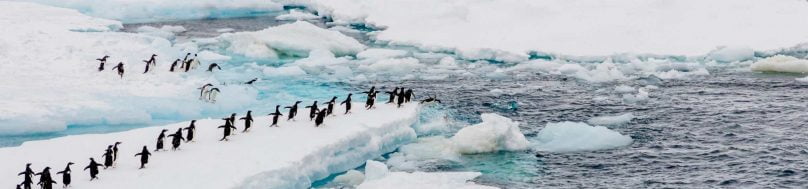
Adelie penguins on ice floe

Marine protected areas

Marine protected areas have been identified as an effective way to support healthy ecosystem function by reducing interference from human activities such as shipping and fisheries.

By creating large zones where certain activities are restricted or prevented, marine protected areas (MPAs) can reduce stress on the ocean and its ecosystems, helping them build resilience to climate change.

ASOC advocates strongly for a representative network of MPAs in the Southern Ocean, starting with existing proposals in East Antarctica, the Weddell Sea, and the Antarctic Peninsula.

The Commission for the Conservation of Antarctic Marine Living Resources (CCAMLR) is the body responsible for designating and regulating MPAs in the Southern Ocean, and has been working towards creating a representative system of MPAs around Antarctica since 2002. In 2009, all CCAMLR Members made a formal agreement to realize this network by 2012.

Despite overwhelming scientific evidence to support the establishment of new Antarctic MPAs, and despite the efforts of many Members, only 5% of the Southern Ocean has been protected to date, and CCAMLR’s own deadline has long since passed.

ASOC attends annual CCAMLR meetings in Hobart, Australia, where we submit policy papers and encourage decision-makers to pursue outcomes that conserve and protect the Southern Ocean, including designating MPAs.

Learn more about our Marine Protected Areas campaigns. 

Read ASOC policy papers and reports to CCAMLR.

Emperor penguin and chick

Full implementation of the Environmental Protocol

The Environmental Protocol entered into force in 1998, but some important provisions still haven’t been actualized.

The Protocol on Environmental Protection to the Antarctic Treaty (commonly known as the Environmental Protocol, Madrid Protocol, or simply the Protocol) is an instrument of the Antarctic Treaty System. Signed in Madrid on 4 October, 1991 and entering into force in 1998, the Protocol comprises a suite of legally binding provisions that place environmental protection at the core of all human conduct in Antarctica. 

Although the Protocol has been in effect for over 25 years, some important provisions still haven’t been brought into effect. For example, we are still waiting for a system of protected areas to be created, as per article 12(1)(g), and for a liability regime to be established, as per article 16.

ASOC campaigns for the full and effective implementation of the Environmental Protocol, which reflects the intent and commitment of those Parties involved in its negotiation and ratification.

Read our policy paper on the implementation of Annexes to the Environmental Protocol (2025).

Read ASOC policy papers and reports to the Antarctic Treaty Consultative Meeting (ATCM).

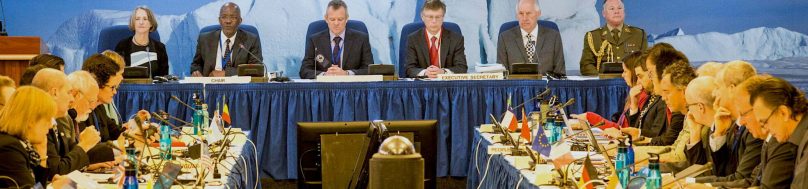
CCAMLR Opening 2018

Science-based policy and environmental advocacy

ASOC advocates for science-based policies within the Antarctic Treaty System.

ASOC sends a delegation to all major Antarctic governance meetings, where we engage with decision makers, submit policy papers, and provide comments on the submissions of Parties and other organizations.  

We advocate for ambitious, precautionary, science-backed policies, including large protected areas, that will help reduce the stress on Antarctic ecosystems from local human activities such as fishing, tourism, and scientific research. We also urge Parties to take immediate action to address global threats to the Antarctic, particularly climate change, which represents the greatest threat to the integrity of Antarctica today.

Read ASOC policy papers and reports to the Antarctic Treaty Consultative Meeting (ATCM).

Read ASOC policy papers and reports to the Commission for the Conservation of Antarctic Marine Living Resources (CCAMLR).

Photo credit: Bob Zuur

Small fishing vessel

Strengthening environmental liability

ASOC advocates stronger liability and accountability measures for states and commercial operators who cause damage to the Antarctic environment.

The question of who is liable for environmental damage in Antarctica is critical to its protection. An environmental emergency in Antarctica would be disastrous and costly to remedy, with grave consequences for fragile ecosystems in areas that are extremely difficult to access.

Despite decades of negotiation, the question of who is liable for damage caused in the Antarctic Treaty area remains unanswered. If there was a major environmental incident in Antarctic waters, there are several unknowns: who is responsible for coordinating the cleanup response? Who pays for the repair work? Who ensures that it’s done, and done well? How is this enforced? And what happens if the responsible parties refuse to do the work? Without answers to these questions, an environmental crisis could turn into a global disaster. 

As the Exxon Valdez oil spill showed us in the 1980s, environmental emergencies in remote areas are costly, time-consuming, and resource-intensive to remediate. Establishing liability for environmental damage in Antarctica is essential, both to promote accountability among those operating in Antarctica, and to discourage high-risk activities.

ASOC continues to advocate for the adoption of preventive regulations that both deter parties and operators from taking risks that could cause environmental damage, and establish liability in advance of an incident.

“We need to change our behavior and work to protect nature instead of exploiting it. ASOC calls on CCAMLR to demonstrate leadership and fulfill their commitment to meaningful protection of the Southern Ocean.” 

Claire Christian
Executive Director, Antarctic and Southern Ocean Coalition

PROTECTING ANTARCTICA

Explore our campaigns
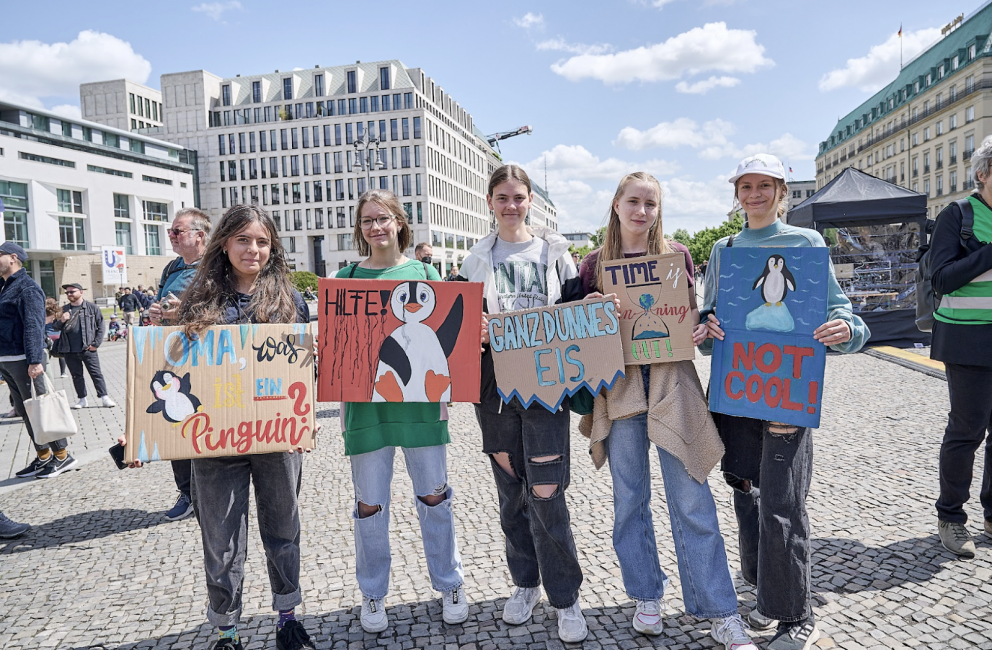
Rally for Antarctica, May 2022. Brandenburg Gate, Berlin. Photo: Saskia Uppenkamp.
Was this article helpful?
YesNo