 ASOC
ASOC
The Marine Stewardship Council (MSC) is an international non-profit organization that sets standards for sustainable seafood through its ecolabel and certification program. Recently, the MSC released a blog about the Antarctic krill fishery, asserting that the fishery was globally leading in management. We’d like to address some of their claims and let readers decide whether this fishery truly earns that status.
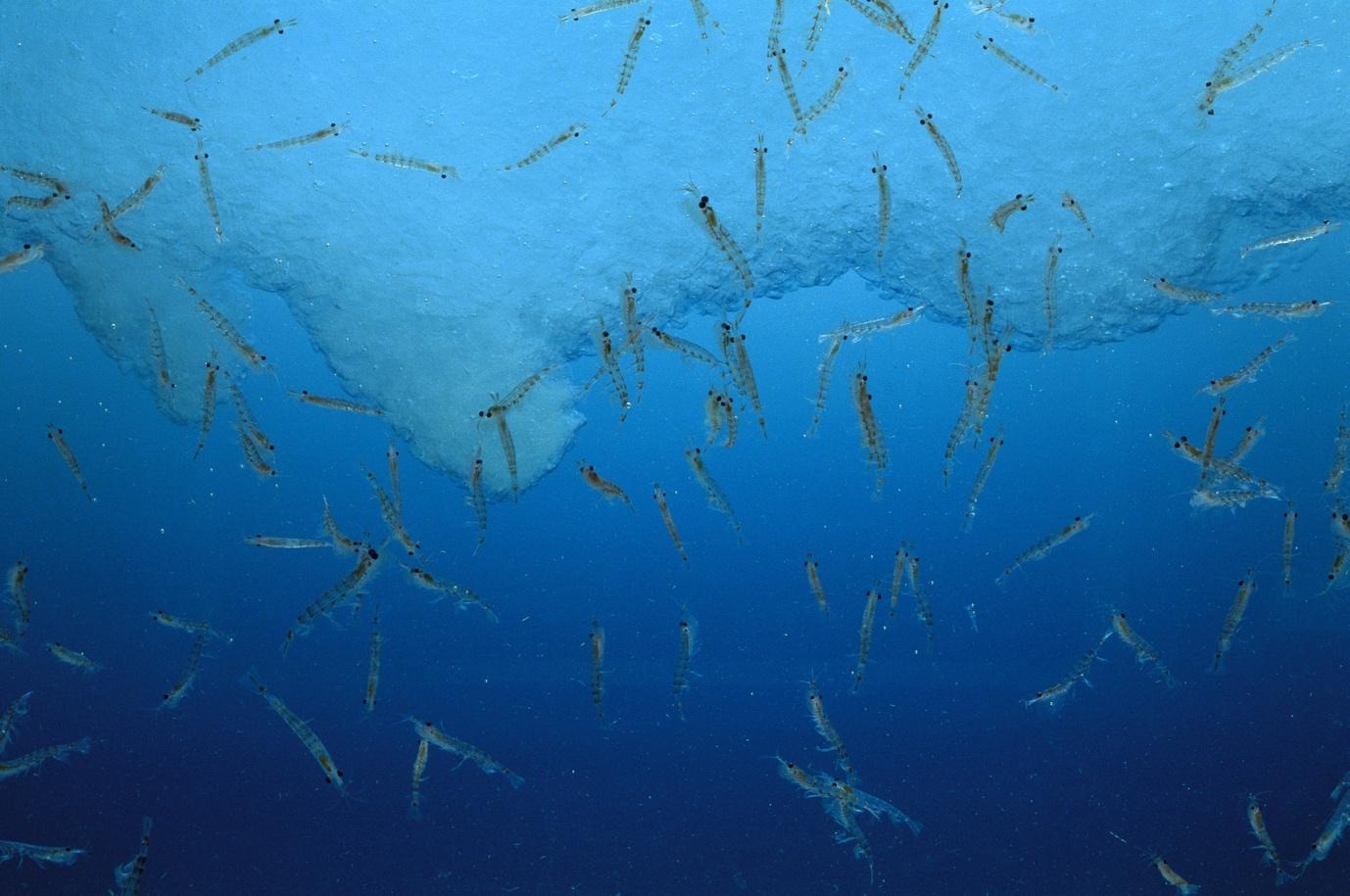
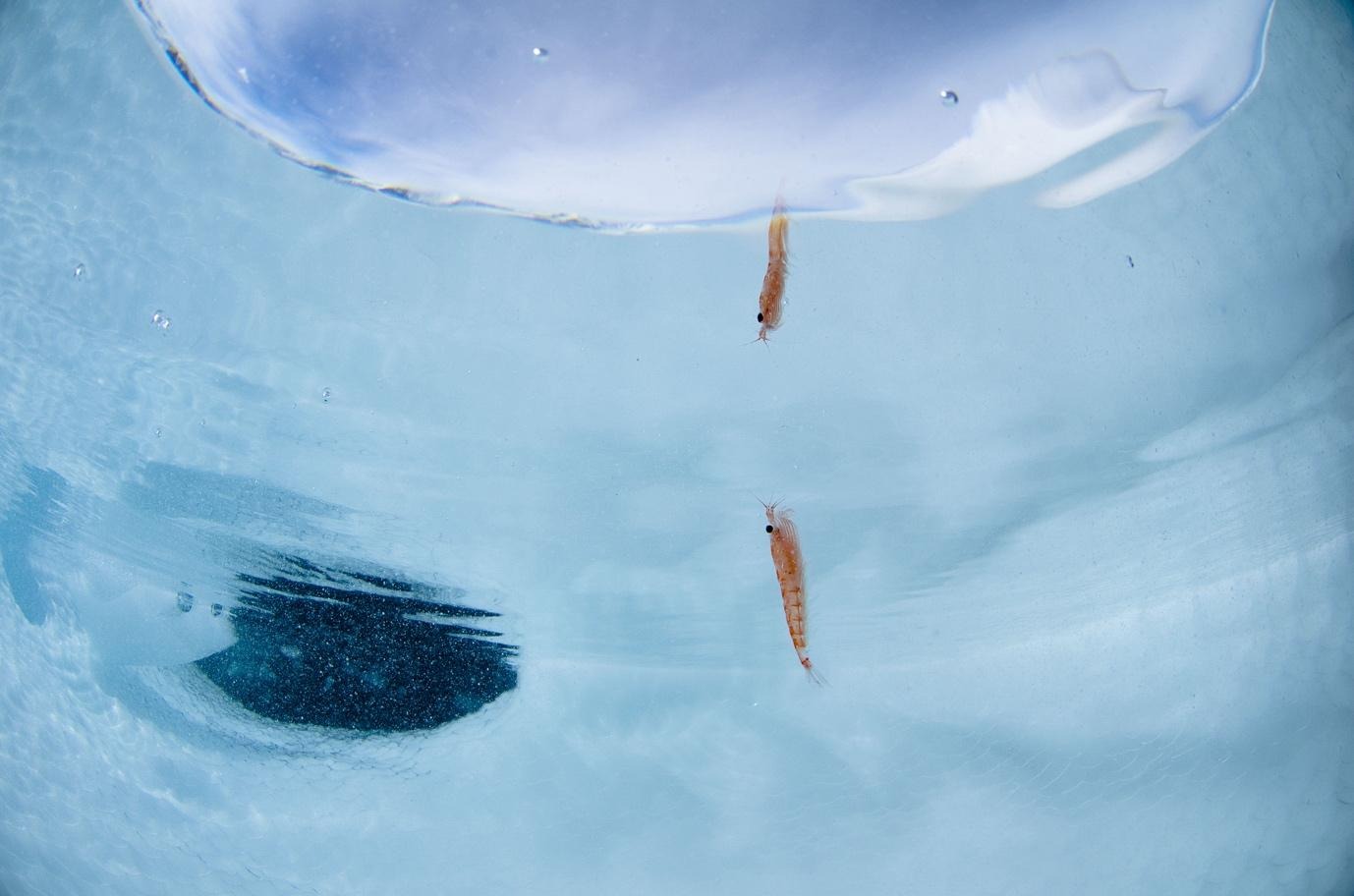
The MSC blog focuses on krill, a keystone species at the base of the Southern Ocean food web, and notes that there are conservation measures in place for management of the krill fishery. For context, our recent blog breaks down the reality – that catch levels are shattering records and raising serious alarms among scientists and conservationists.
The MSC’s blog is based on the assumption that the extremely low catch relative to estimated biomass translates to negligible effects on krill and the surrounding ecosystem – an assumption that is unfounded. In fact, evidence shows that the fishery is already disrupting ecosystem function and affecting dependent predators (Trathan et al. 2024).
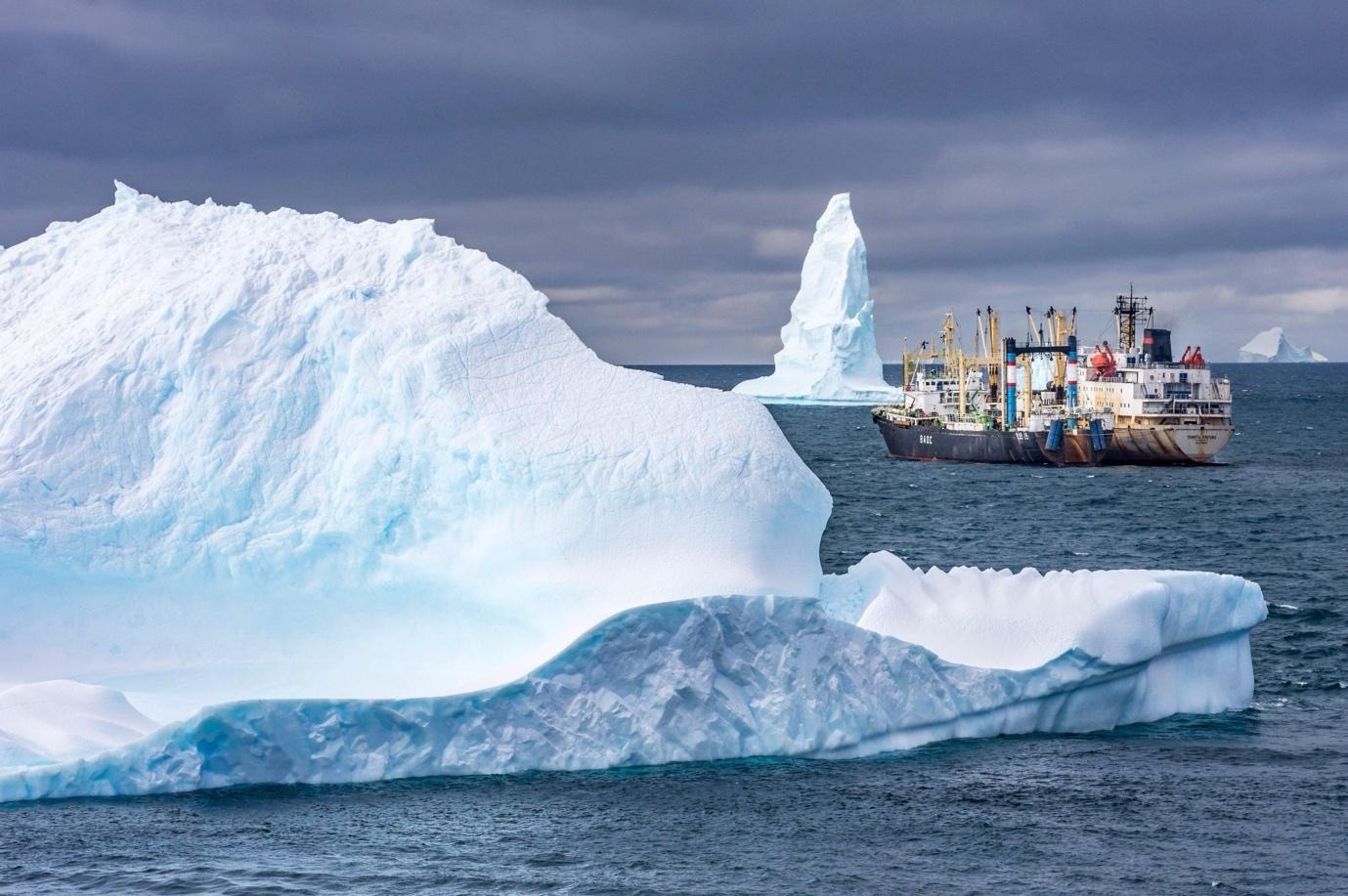
1) Claim: “Catch limits are very low, only around 1% of the estimated local krill population can be taken each year.”
The statement in itself is not untrue, but the level of confidence placed in this metric raises concerns among those with extensive experience working in the Southern Ocean. The estimated total biomass is based upon on surveys that were extremely spatially and temporally limited, and were conducted nearly two decades apart (Fielding et al. 2011; Krafft et al. 2021).
In the time since the last survey in 2019, climate change has made observable perturbations to the Southern Ocean, with the past 3 years representing the lowest recorded maximum sea ice in the 47 years the Antarctic sea ice has been recorded. The Intergovernmental Panel on Climate Change 6th Assessment report has identified that “Warming, ocean acidification, reduced seasonal sea ice extent and continued loss of multi-year sea ice are projected to impact polar marine ecosystems through direct and indirect effects on habitats, populations and their viability. In the Southern Ocean, the habitat of Antarctic krill, a key prey species for penguins, seals, and whales, is projected to contract southwards.”
These projections are of particular concern given krill are highly concentrated in the Southwest Atlantic sector, the area of the Southern Ocean most impacted by climate change so far (Klein et al. 2018).
Many scientists highlight the need for a clearer understanding of krill abundance and swarming patterns to develop a more precautionary management of the fishery and strengthen protection for krill predators such as penguins (Meyer et al. 2025).
Although the 1% broad-scale biomass catch limit is precautionary in principle, it does not inherently safeguard krill or the predators that rely on robust krill populations. As will be discussed below, the problem is that fishery is increasingly concentrated in smaller areas where it conflicts with local wildlife needs.
2) Claim: “Fishing is only allowed in specific zones (such as Sub-areas 48.1–48.4 and 48.6 in the Southern Ocean).”
CCAMLR recognised in the early 1990s that the krill fishery could become increasingly concentrated in specific areas, creating localised ecosystem impacts if not carefully managed (WG-EMM-2023/03).
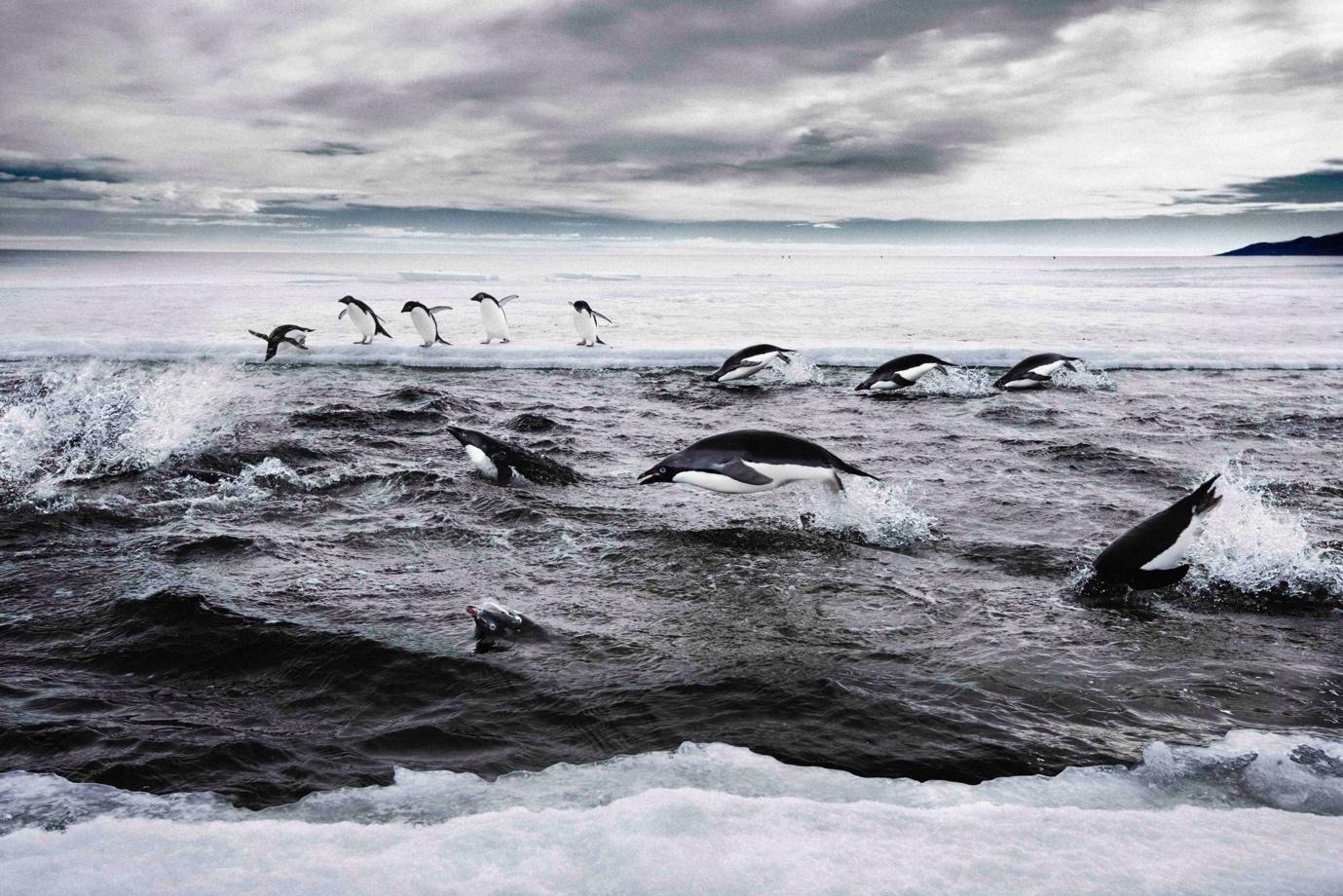
To illustrate the point, if you’re a penguin that feeds in the area where concentrated krill fishing is occurring, you’re in competition with industrial fishing fleets and will have to travel further for a meal.
To address this risk, CCAMLR developed two key management measures for the krill fishery in Area 48, also known as the Peninsula. CM 51-01 established the overall catch limit for the entire area, while CM 51-07 governed how that catch would be distributed across subareas.
CM 51-07 divided the total allowable catch set under CM 51-01 into strict subarea quotas to disperse fishing effort, prevent localised concentration, and better protect krill-dependent predators. Not without its flaws, such as the lack of a mechanism to respond and adjust to climate change and increased fishing pressure, CM 51-07 did make significant progress on distributing fishing pressure in a sensitive region.
In 2024, CCAMLR failed to renew CM 51-07, removing the critical safeguards designed to prevent the krill fleet from concentration in ecologically sensitive areas. Without these protections, the fishery reached a historic high catch that triggered an early closure in August 2025 for the first time in history. Despite this warning sign, CCAMLR again failed to make progress at its annual meeting in October 2025, leaving the door open for a repeat of last season’s problems and putting the fragile Southern Ocean ecosystem under further pressure in a time when climate change is already having observable impacts.
It is notable that even the organisation that certifies the fishery against the MSC Standard has previously flagged there were issues with the fishery’s approach to harvesting activity, highlighting that the whole of Area 48 is not the appropriate scale at which to implement a responsive harvest strategy. This is an issue that has only grown since the last certification and given the expiry of CM 51-07.
We now find ourselves in a situation where fishing is allowed in the named subareas but without any brake on how much can be fished in them aside from the total allowable catch. This falls far short of any precautionary or responsive management approach and is something the fishery’s own certifying body had flagged as an issue that needed addressing prior to recertification…which happens to be ongoing at the time of this blog’s publication.
3) Claim: “Once the catch limit in a zone is reached, the area is closed for the rest of the season. This happened in August 2025 when a limit was reached for the first time.”
The early closure of the krill fishery in 2024 was an extraordinary moment, signalling a dramatic increase in fishing effort in the Southern Ocean. Rather than being celebrated as an effective management measure, the premature shutdown points to serious shortcomings in how the fishery is currently managed.
Closures after a quota is reached are important, but they are reactive. In the case of the krill fishery, simply enacting closures after localized fishing activity has reached its quota is akin to shutting the stables after the horses have bolted.
A core factor in this failure is that the krill fishery is managed using an ‘Olympic approach,’ in which regulation relies soley on shared total quota, one that is not allocated by Party or vessel, creating a competitive race to fish. Olympic fisheries are often described as a ‘rush to fish’ and are characterized by an increasing number of highly efficient vessels fishing at an increasing pace, with season lengths becoming progressively shorter. This is exactly what is being witnessed in the Southern Ocean.
The lapse of CM 51-07 allowed highly efficient vessels to focus this fishing in krill-rich hotspots, often the very places where penguins, whales, and other predators are feeding. The concentrated pressure was particularly pronounced in Subarea 48.1, where the 2024/2025 fishery caught 58% of its total catch – more than double the share taken in the previous season (CCAMLR-44, paragraph 4.4).
Subarea 48.1 is a known krill predator hotspot, with humpback whale migrating thousands of miles specifically to feed on dense krill swarms. For less mobile krill predators such as penguins, their foraging areas are much more restricted. A concentrated krill fishery, taking vast quantities of krill from one specific subarea, poses as a direct threat to penguins’ existence.
The MSC blog makes no mention of this, which is disheartening considering ecosystem impacts and the protection of Endangered, Threatened and Protected species is fundamental to their certification Standard.
A regressive harvest strategy, coupled with more vessels set to join the fishery, further highlights that the krill fishery is far from sustainable and risks unravelling the Southern Ocean ecosystem and beyond!
4) Claim: “Fishing vessels must report their location and how much they catch in real time.”
Vessels are required to report their catches to CCAMLR every five days, allowing the CCAMLR Secretariat to monitor the overall catch and forecast when the catch limit will be reached. However, is the requirement to report catch data every five day truly ‘real-time’ reporting? Further, the delay raises the risk of overrunning the quota, which is exactly what happened in 2024/2025 when the krill catch in Area 48 actually exceeded the trigger limit by 4,917 tonnes (CCAMLR-44, paragraph 4.4).
Another issue with accurate reporting exists in the differing approaches used across the fleet to estimate the amount of krill caught. Some methods of measurement are more precise, like using flow scales that weigh all krill that pass over a scale. Others convert the depth of krill and water in holding tanks to the weight of krill. Still others rely on converting the amount of product produced back to a weight of fresh krill. The precision of actual catch reports therefore varies widely, which is unacceptable in a modern, ‘world-leading’ fishery.
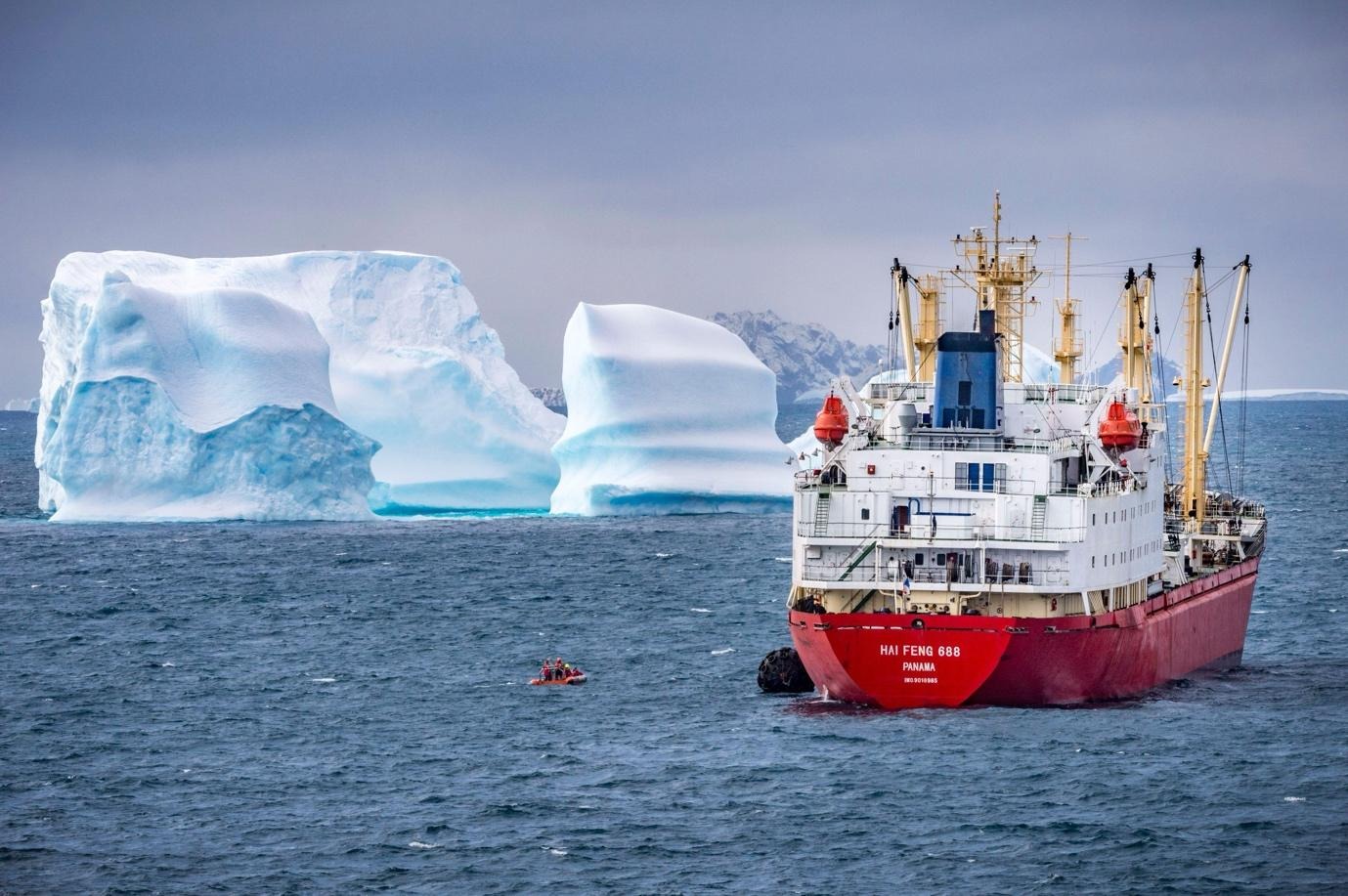
5) Claim: “Scientific observers are placed on vessels and vessel-tracking systems are mandatory, so fishing activity can be monitored and verified.”
For much of the krill fleet there is a good observer programme with strong observer coverage. Proof of this can be found in adequate reporting of fishery interactions with Endangered, Threatened and Protected (ETP) species, such as the death of humpback whales which have occurred across multiple fishing seasons in recent years.
Under the CCAMLR Scheme of International Scientific Observation (SISO), scientific observers from countries other than the vessel’s Flag State are deployed onboard fishing vessels. This is considered essential to ensure impartial, trustworthy information on the vessel’s fishing activity.
However, a large and growing component of the krill fleet is comprised of vessels that do not adhere to an independent observer programme.
Although not under the MSC certificate, Chinese krill vessels do not adhere to SISO requirements, yet they target the same stock and are members of the same Association of Responsible Krill Harvesting Companies (ARK) as the vessels in the MSC-certified fishery. Their impact on the stock therefore must be considered.
With China’s portion of the fleet increasing, there is a growing cohort of observer information that is not adequately independent of bias. While vessel reporting and observers are positive measures, persistent gaps in coverage and data timeliness exist. These gaps limit the ability to verify whether fishing activity impacting krill or the predators that depend on them, allowing unseen and unknown impacts to reverberate throughout the fishery.
6) Claim: “To protect penguins, MSC certified krill fisheries have voluntarily closed fishing areas near penguin feeding grounds, ensuring penguins have access to the krill they depend on.”
The Association of Responsible Krill Harvesting Companies (ARK) has implemented Voluntary Restricted Zones (VRZs) around the Antarctic Peninsula where the krill fishery concentrates, but this has proven to be inadequate and resulted in the displacement of fishing effort into other sensitive areas. Prior to the collapse of CM 51-07, there was observable evidence to show that the VRZs had actually accentuated the spatial concentration of catches and fishing efforts in Subarea 48.1, and had led to an increase in catches around the South Orkneys (ARK Report from the Expert Panel on the evaluation of the VRZs during the 2018/19 fishing season).
A much better way to protect penguins would be to galvanize efforts towards adopting the four scientifically robust MPAs proposed and awaiting approval from CCAMLR: Weddell Sea Phase 1 MPA, Weddell Sea Phase 2 MPA, East Antarctic MPA, and the Domain 1 MPA (D1MPA). All four MPA proposals are yet to be designated, despite an incredible amount of supporting data, with two gaining endorsements from CCAMLR’s own Scientific Committee.
The contrast is striking: while some Members argue that more than 100 data layers in the MPA proposals are still “not enough” data to enact protection, far less information is accepted as sufficient to justify extracting 1% of krill biomass (in fact, just two studies). This disparity makes it clear that the precautionary principle is being applied far more rigorously to protection than to rational use.
The continued failure to implement these MPAs poses a direct risk to the ecosystem of the Southern Ocean, with fishing activity exacerbating the issues of climate change on krill, a species so critical and so poorly understood despite its outsized importance.
In summary, we hope the readers of both blogs come away with a clear understanding that Southern Ocean management is far from straightforward. Current approaches are outdated and inconsistent with the precautionary, ecosystem-based principles which ‘sustainable’ fisheries should be adhering to.
The krill fishery operates in a part of the world that is already buckling under climate pressure. Instead of treating it as a success story, the focus should be on coordinated efforts to ensure it is managed responsibly – long before we can talk about true sustainability.
References
CCAMLR (2023). Fishery Report 2023: Euphausia superba in Area 48. https://fishdocs.ccamlr.org/SAreport_48_KRI_2023.pdf
CCAMLR (CCAMLR-44 Report). Report of the 44th Meeting of the Commission. https://meetings.ccamlr.org/system/files/meeting-reports/CCAMLR-44 PRELIMINARY_0.pdf
Fielding, S. et al. (2011). Interannual variability in Antarctic krill (Euphausia superba) abundance and biomass. ICES Journal of Marine Science, 71(9): 2578-2591.
Klein, E. S., Hill, S. L., Hinke, J. T., Phillips, T., & Watters, G. M. (2018). Impacts of rising sea temperature on krill increase risks for predators in the Scotia Sea. PLoS ONE, 13(1), e0191011.
Krafft, B. A., Bergstad, O. A., Knutsen, T., Skaret, G., & Macaulay, G. (2021). Standing stock of Antarctic krill (Euphausia superba) in the Southwest Atlantic sector (CCAMLR Area 48), 2018–19. Journal of Crustacean Biology, 41(3).
Meyer, B., Arata, J. A., Atkinson, A., Bahlburg, D., Bernard, K., Cárdenas, C. A., Grant, S. M., Hill, S. L., Hüppe, L., Ichii, T., Kawaguchi, S., Krafft, B. A., Labrousse, S., Maschette, D., Piñones, A., Reiss, C., Siebenhüner, B., Sylvester, Z., & Ziegler, P. (2025). Adjusting the management of the Antarctic krill fishery to meet the challenges of the 21st century. Proceedings of the National Academy of Sciences, 122(37), e2412624122.
Trathan, P.N., Savoca, M.S., Friedlaender, A., Baines, M., Burkhardt, E., Cheeseman, T., Dalla Rosa, L., Herr, H., Secchi, E.R., Zerbini, A.N. and Reisinger, R.R., 2024. Integrating the needs of recovering populations of baleen whales into the revised management framework for the commercial fishery for Antarctic krill. Frontiers in Marine Science, 11, p.1458042.
WG-EMM-2023/03: CCAMLR’s revised krill fishery management approach in Subareas 48.1 to 48.4 as progressed from 2019 to 2022