ASOC
ASOC
Celebrating Antarctic Krill
world krill day
At ASOC, we think Antarctic krill are amazing little animals who richly deserve a day of recognition and admiration.
Did you know these incredible krill facts? Read on to get to know this fascinating species – and why we need to protect it!

Mighty Krill
Fun facts
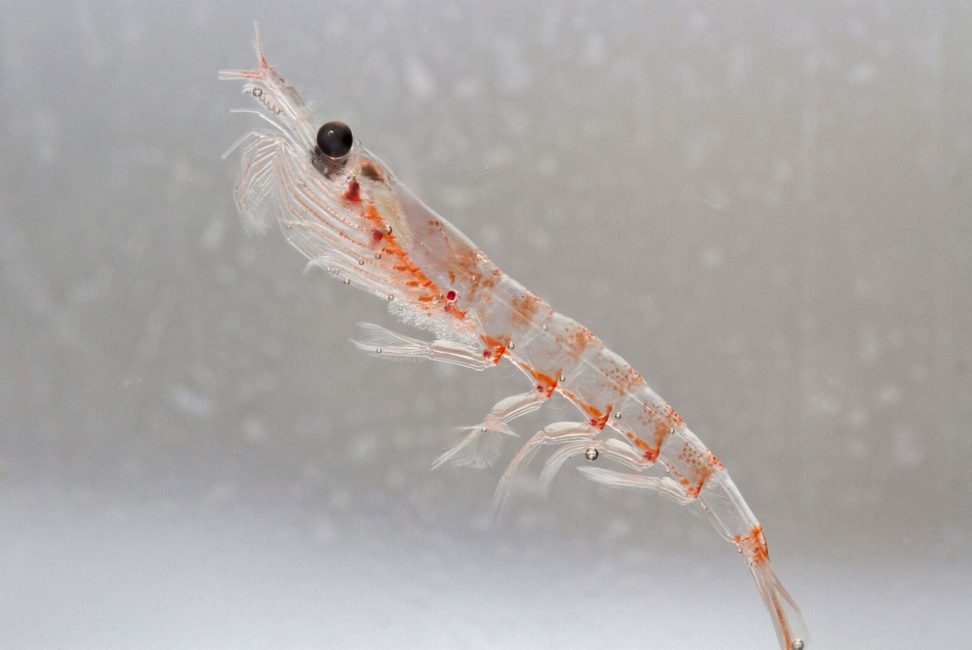
There are many species of krill worldwide, but at an average length of 6 cm, Antarctic krill are one of the biggest. (source)
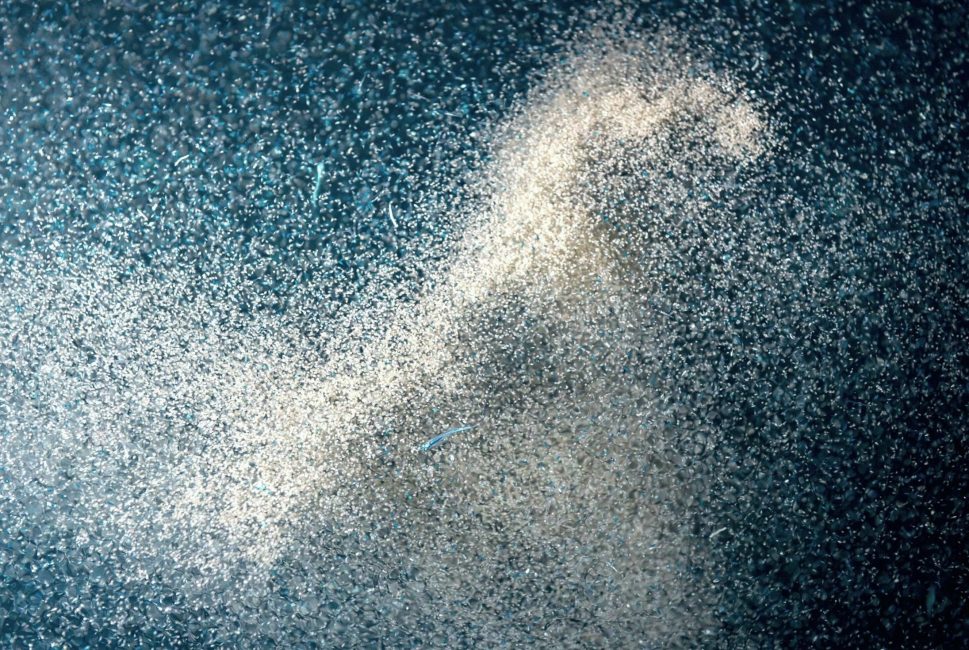
The biomass of Antarctic krill is around 300 – 500 million tonnes – greater than that of humans (source)
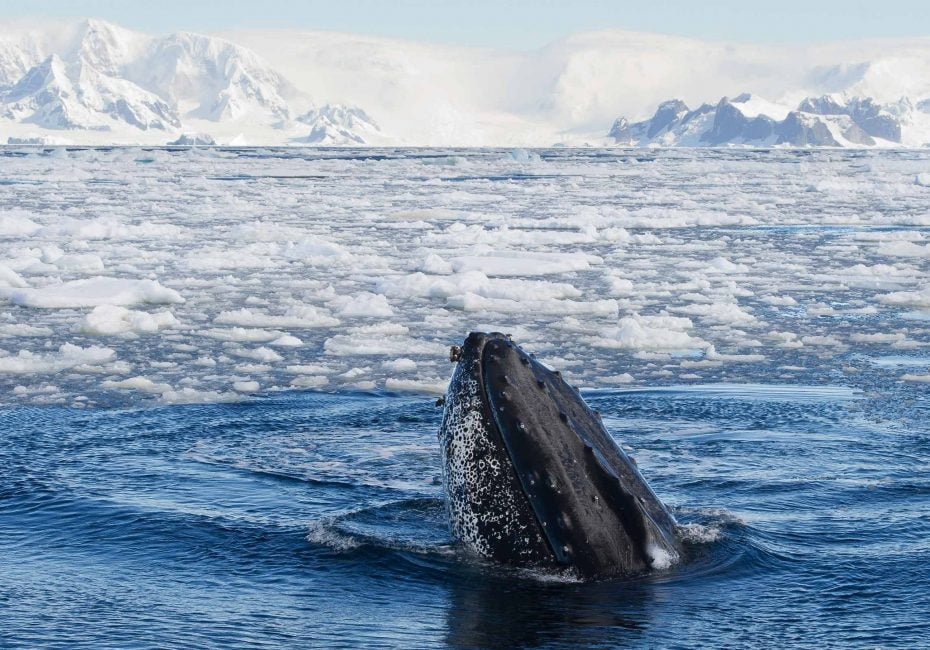
Even at such a huge size, the current population of krill is probably far smaller than it used to be! This is because there seems to be a complex relationship between whales and krill – because whale poop adds nutrients to the ocean, more whales means more krill, even if the whales are also eating more krill! (source)
Antarctic Krill
Fun facts
Whales aren’t the only ones with valuable poop – krill poop sinks down to the bottom of the ocean and sequesters carbon – over 20 megatons a year. (source) That’s like taking millions of cars off the road (for more watch this short video)
Krill know the secret of perpetual youth – when there’s less food available, they can revert to a juvenile state where they don’t need to eat as much, then mature again later (source).

Antarctica’s superfood
Fun facts
Krill are subject to increasing fishing, but if you can’t recall seeing any at your local fishmonger’s, that’s because most krill aren’t consumed directly. Instead, krill are mainly used for nutraceuticals (such as omega-3 supplements) and meal for farmed fish.
You may know that penguins, whales, seals, flying seabirds and fish all eat Antarctic krill, but did you know that there’s an Antarctic seastar (Labidiaster annulatus) that also eats krill? (source)
Even though krill are abundant, it is possible to take so many from a small area that there isn’t enough left for animals to eat. This is called localized depletion and it’s been shown to already be possible – and have negative impacts on krill predators – at levels of fishing below the maximum allowed. (source)

Protecting Antarctic Krill
Fun facts
The organization that manages the krill fishery is the Commission for the Conservation of Antarctic Marine Living Resources (CCAMLR), which has 26 countries and the EU as members. CCAMLR meets right here in Hobart every year at 181 Macquarie St! (CCAMLR website)
CCAMLR was created by an international treaty known as the Convention for the Conservation of Antarctic Marine Living Resources. The Convention was signed in 1980 because countries were worried about uncontrolled fishing for krill and the impacts it might have on Antarctic ecosystems. It’s sometimes known as the “Krill Convention”.

What ASOC is doing
Fun facts
Krill are also highly vulnerable to climate change and ocean acidification – scientists have already observed impacts and predict that krill will continue to be affected in the coming decades, with ramifications for the species that depend on them. (source)
ASOC supports stricter controls on krill fishing and the designation of no-take marine protected areas in Antarctica to keep all Southern Ocean ecosystems healthy and thriving (more on this here and here).
So take a moment to thank a krill for everything they do for us and Antarctica!
Here’s a link to an origami krill tutorial so you can make a krilltastic craft!