ASOC
ASOC
June 1st, 2023, 12:30-14:00, Tove Jansson Park
June 2nd, 13:45-13:55, Scandic Marina Congress Center, foyer 1st floor
On the occasion of “World Children’s Day” on June 1st and “Climate Day” at the ATCM on June 2nd, 2023, we want to underline how biodiversity and climate are interconnected as well as give youth a voice.
On June 1, a street art tour will lead visitors and delegates from the Scandic Marina Congress Center to the Tove Jansson Park, where children will hand over to delegates cards with drawings and key messages in front of three ice sculptures.
Click here for Google Maps location of Tove Jansson Park
Those ATCM delegates who could not participate in the event on June 1st will have a chance to receive handmade cards from the children on June 2 at the Scandic Marina Congress Center.
This year’s Antarctic Treaty Consultative Meeting (ATCM) will take place only a few weeks before a Special MPA Meeting that will be convened for the Member States of the Commission for the Conservation of Antarctic Marine Living Resources (CCAMLR) in Santiago, Chile.
With both meetings residing under the roof of the “Antarctic Treaty System”, they play a crucial role in protecting Antarctica and represent opportunities to mitigate the current threats Antarctica and its ecosystems face.
With our activities in both Helsinki and Santiago, we want to show the interconnectedness of Antarctica’s land and sea symbolically. Biodiversity and climate are intrinsically linked and, therefore, equally need our attention.
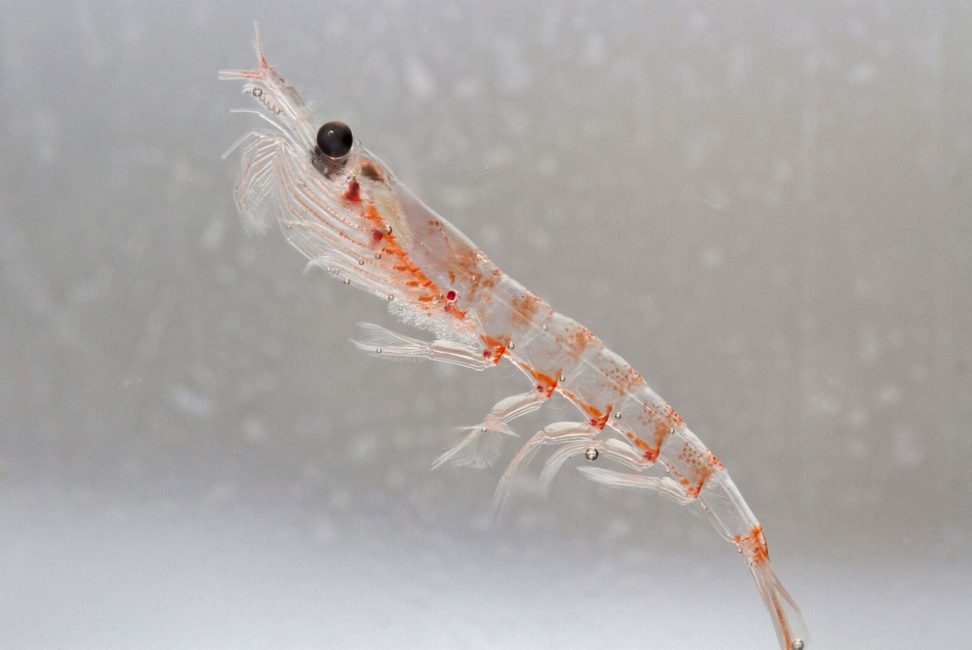


Antarctic Krill
Did you know?
Krill feeds on phytoplankton, making its feces extremely carbon-rich. By sinking to the deep-water layers and seafloor, krill poop contributes to CO2 storage with an estimated volume of 13 megatonnes of carbon annually (the estimate counts in the area of the Antarctic Peninsula and the Scotia Sea).
- Krill is at the center of the Antarctic and Southern Ocean food web and is an important food source for many Antarctic species and critical for their survival.
- Krill is reliant on sea ice during key phases of its life cycle, for food and a refuge from their predators. Sea ice loss and rising ocean temperatures have already shifted its growth habitat and are affecting its lifecycle.
- Krill are like fertilizers, releasing essential nutrients like ammonium and iron that phytoplankton needs for its growth and photosynthesis, producing oxygen and storing CO2.


Emperor Penguins
Did you know?
Scientists discovered an emperor penguin colony from poop stains in satellite images in January 2023. New satellite images of Antarctica’s coastline have enabled scientists to find many new colonies. Although this is good news, like many of the recently discovered sites, the colony is small and in a region that is badly affected by recent sea ice loss.
- Emperor penguins are only found in Antarctica and are uniquely adapted to survive the harsh conditions of the Antarctic climate.
- The life cycle of the emperor penguin is closely tied to sea ice. They need reliable patches of sea ice (‘fast ice’) to breed and raise their young. Low sea ice extent and an early fast ice break-up, exacerbated by climate change, jeopardize the survival of the chicks, as they need enough time to grow their waterproof plumage before being exposed to the cold ocean waters.
- As mesopredators, emperor penguins play an vital role in the Antarctic food web and ecosystem – they’re both prey for species like leopard seals, but they also prey themselves on fish and krill.


Leopard Seals
Did you know?
Leopard seals eat krill like whales, by sucking them into its mouth and sieving them through special teeth. By switching between two feeding styles, the leopard seal can dine from the top and bottom of the Southern Ocean’s food web.
- Leopard seals are fierce hunters and prey on various species, including krill, penguins, birds, fish, and seals. The only natural predator of leopard seals is the orca.
- As apex predators, changes in their abundance or diet (e.g. driven by climate change) can fundamentally alter ecosystems. They may contribute to rapid declines in their prey populations, as has happened with the population of Antarctic fur seals from the South Shetland Islands.
- Leopard seals are ice-obligate animals and they need pack ice to give birth and nurse their pups. As they are exceptionally solitary animals, there’s still much to learn about them.
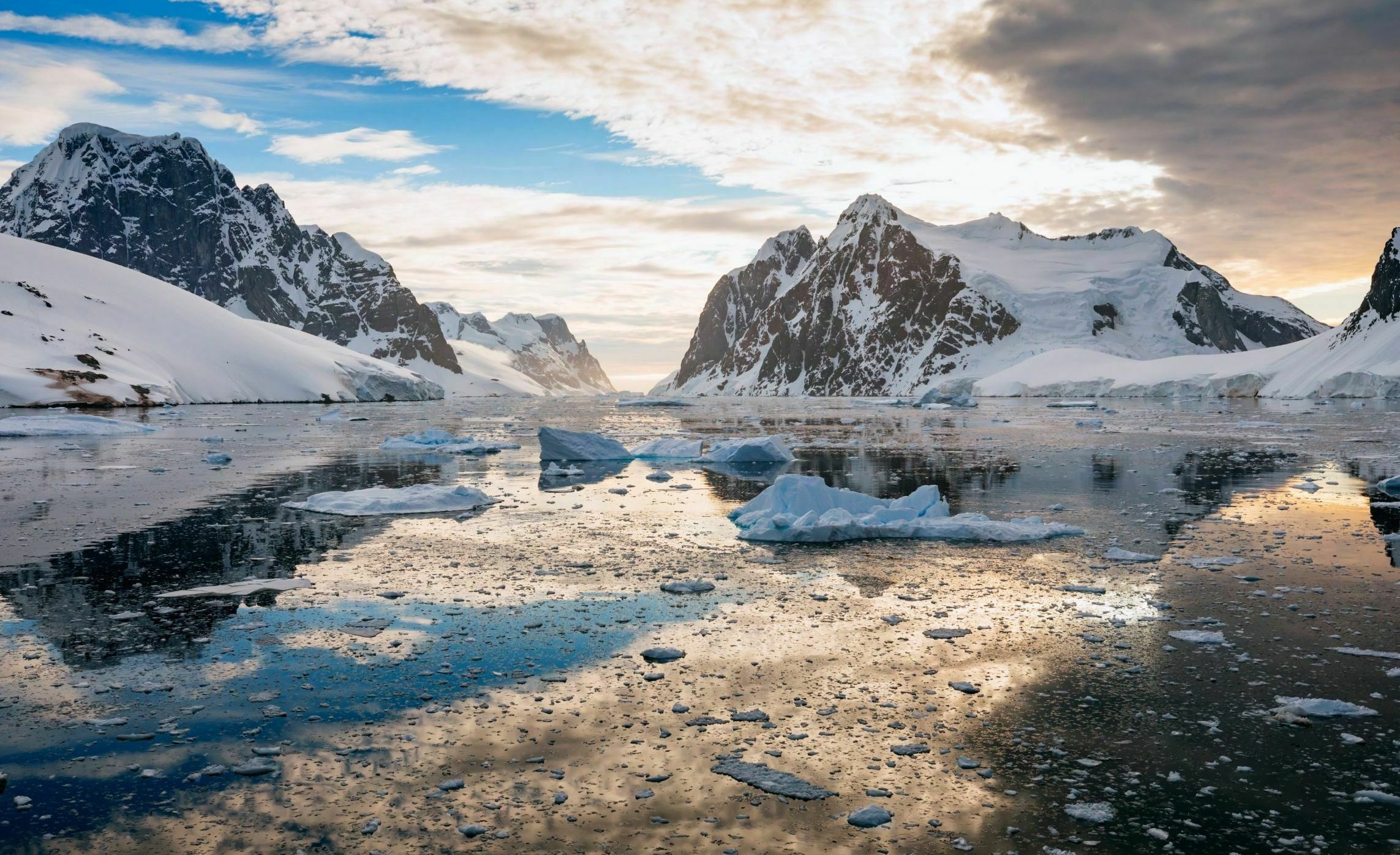
Two-thirds of Antarctica’s native species, including emperor penguins, are threatened by extinction or significant population declines by 2100. Antarctic biodiversity plays a major role in our biosphere – whether it’s carbon storage, nutrient supply, or the production of oxygen. All Antarctic species allow us humans to live on planet Earth.
The time to #ProtectAntarctica is NOW
Citizens of the world, your voice matters. Add your name to this petition urging leaders from CCAMLR member countries to act now to protect Antarctica and the Southern Ocean.
ATCM and CCAMLR delegates, your actions are more important than ever. We ask you to stand up to #ProtectAntarctica and put biodiversity first.





Photo credit: © John Weller