ASOC
ASOC
Inauguration: May 22, 2024, ATCM-46, Lulu Bolgatty International Convention Center, Kochi
Final destination: 2025, NCPOR, opening of new museum
On the occasion of the Antarctic Treaty Consultative Meeting-46 (ATCM), the Antarctic and Southern Ocean Coalition (ASOC) and Environmental Action Germany (Deutsche Umwelthilfe) have teamed up with the National Centre for Polar and Ocean Research in Goa, the German Environment Agency (Umweltbundesamt, UBA), Dakshin Endeavours and Sustera, to realize a youth program called “Species-rich Antarctica”.
The objective of the public-facing, educational program is to underline how the Antarctic food web is interconnected, as well as give youth a voice. The program consisted of a workshop about Antarctic biodiversity that was both scientific and creative. After a discussion about biodiversity protection, the children – in the age group of 8 to 20 – created a terracotta mural together with the two artists Veda Thozhur Kolleri and Vishnu Thozhur Kolleri.
The artwork was unveiled at the ATCM-46 and children handed over messages and a small gift to delegates. After the ATCM, the mural traveled to the National Centre for Polar and Ocean Research, Goa, where it reaches its final destination and will be installed 2025 on the occasion of the opening of the new museum.

Antarctic Food Web
Did you know?
Antarctica and the Southern Ocean support an incredible diversity of unique life, each species uniquely adapted to the unique environmental conditions that can be found there. The food web in Antarctica and the Southern Ocean is a complex network of interactions between these species. It starts with phytoplankton, tiny plants that harness the sun’s energy. Antarctic krill, which feed on phytoplankton, are a critical link in this web, serving as food for various species like silverfish, squid, seabirds, penguins, some seals, and large marine predators like humpback and blue whales. Even predators like leopard seals and orcas have their place in the ecosystem, preying on seals and penguins. The delicate balance of this food web can be disrupted by the loss of any species, which can have serious consequences for the entire ecosystem.

Antarctic Krill
Did you know?
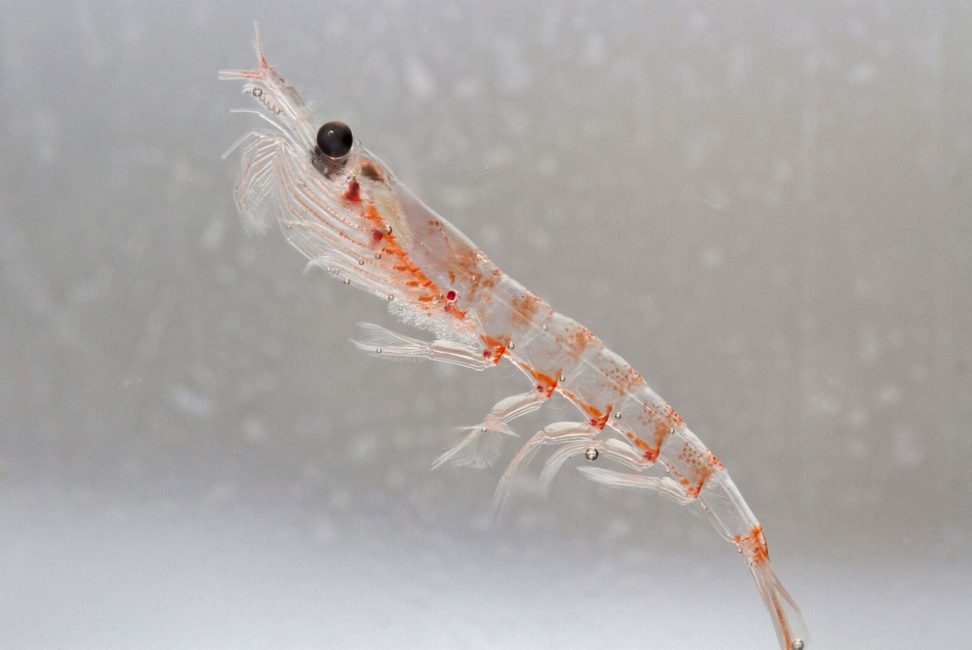
Antarctic krill – tiny, shrimp-like crustaceans – are vital to the ecosystem of the Southern Ocean, serving as an essential food source for many Antarctic species and act as carbon sinks. Krill are reliant on sea ice during key phases of their life cycle – for food and a refuge from predators. Sea ice loss and rising ocean temperatures have already shifted its growth habitat and are affecting the lifecycle of this keystone species.

Emperor Penguins
Did you know?
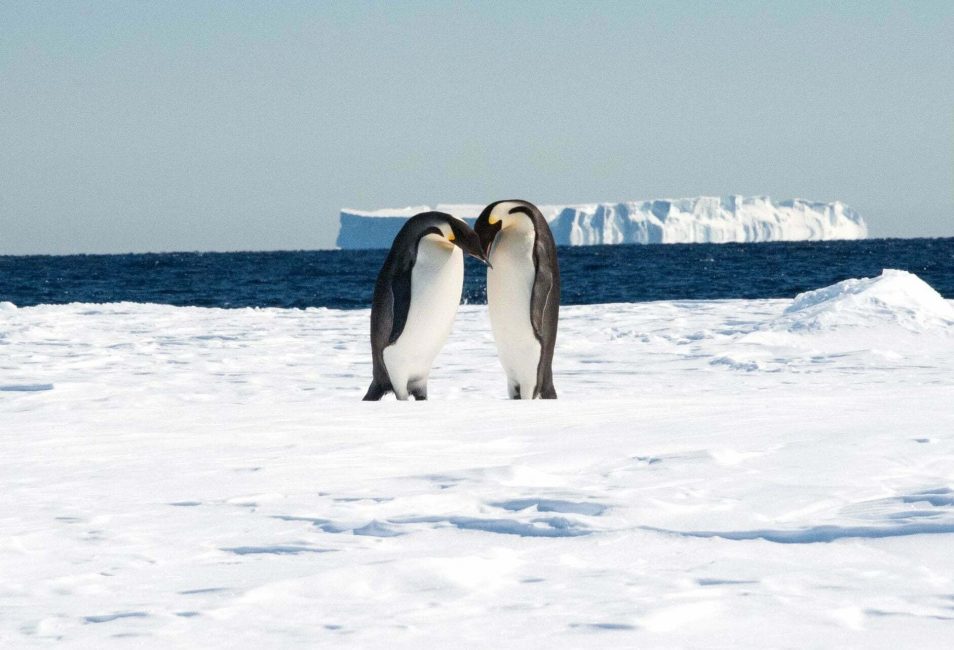
Emperor penguins are only found in Antarctica and are uniquely adapted to survive the harsh conditions of the Antarctic climate. However, emperor penguin populations have declined nearly 10% in 10 years due to melting of sea ice that emperor penguins depend on. Emperor penguins play a vital role in the Antarctic food web and ecosystem – they’re both prey for species like leopard seals, but they are also predators, preying on fish and krill.


Leopard Seals
Did you know?
Leopard seals are fierce hunters and prey on various species, including krill, penguins, birds, fish, and seals. The only natural predator of leopard seals is the orca. As apex predators, changes in their abundance or diet (e.g. driven by climate change) can fundamentally alter ecosystems.


Antarctic Silverfish
Did you know?
Antarctic silverfish are found in large numbers beneath sea ice in Antarctica. They possess antifreeze proteins in their blood, allowing them to survive in temperatures that would be fatal to most other fish species.

Orca
Did you know?
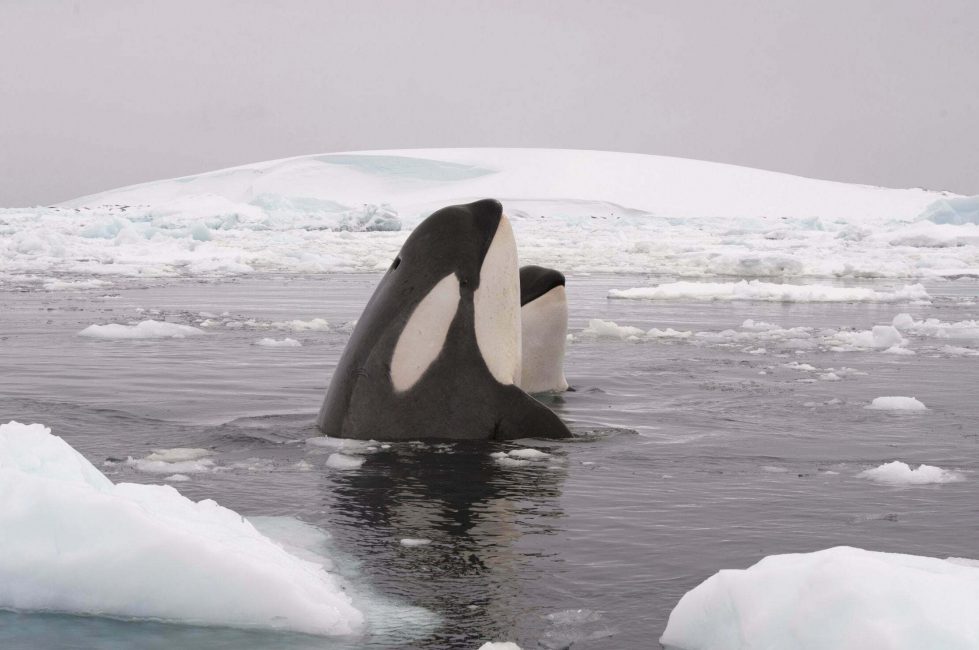
In the waters surrounding Antarctica, several distinct subgroups (ecotypes) of orcas can be found, each with unique behavioral patterns and prey preferences. Orcas play a vital role in regulating prey populations, primarily targeting seals, penguins, and fish, thus exerting significant influence on the marine food web.
Humpback whale
Did you know?
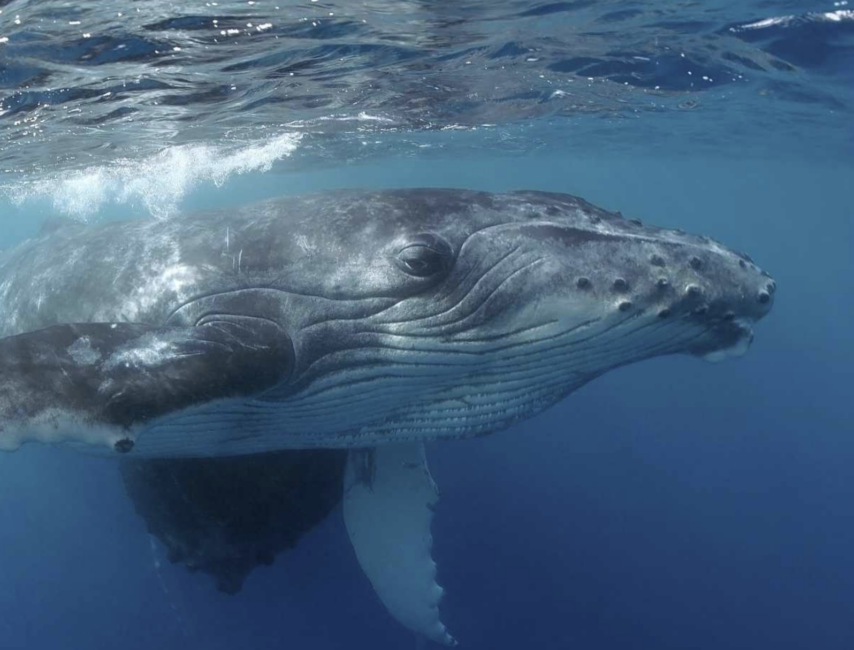
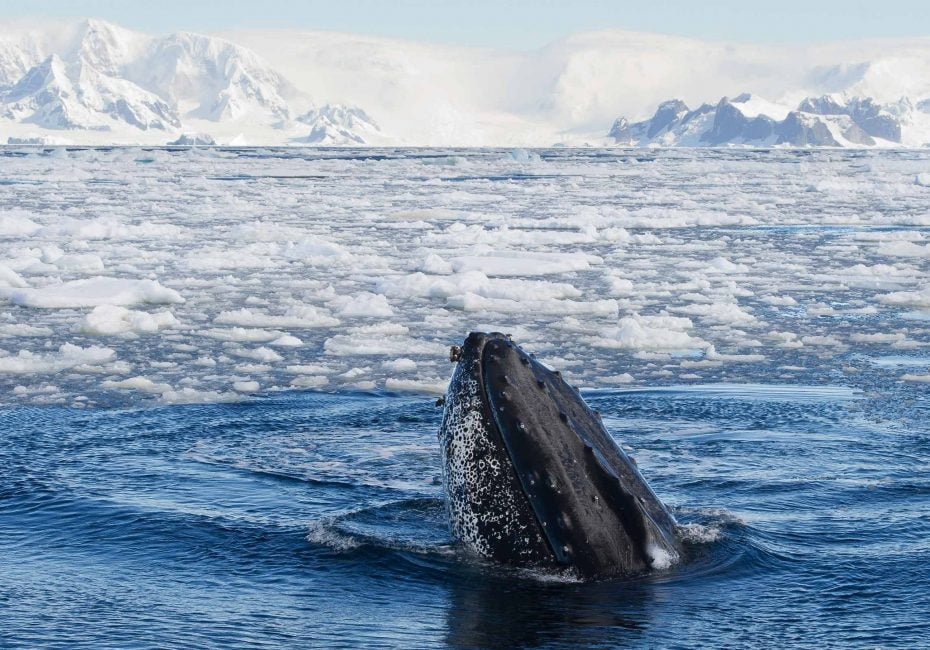
Humpback whales in Antarctica, as well as other baleen whales, face threats from climate change and fishing, which affect their primary food source, krill. Rising sea temperatures and fishing competition reduce krill availability, forcing humpbacks to travel farther for food and potentially disrupting the Antarctic food web.

Phytoplankton
Did you know?
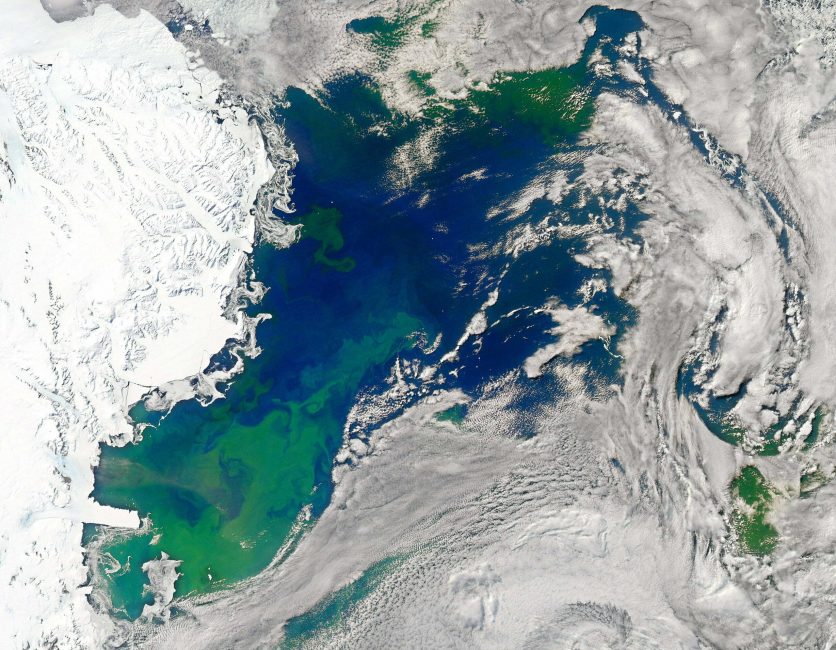
Phytoplankton thrive in the nutrient-rich waters surrounding Antarctica, particularly during the austral summer when sunlight is abundant. These microscopic plants form dense blooms near the surface, providing vital sustenance for a wide range of marine life, including krill, fish, and whales as well as playing a crucial role in the carbon cycle.


Squid
Did you know?
Antarctic squid serve as prey for numerous predators, including whales, seals, and seabirds. Their distribution and abundance are influenced by environmental factors such as temperature, sea ice extent, and prey availability, making them valuable indicators of ecosystem health in this remote region.
Two-thirds of Antarctica’s native species, including emperor penguins, are threatened by extinction or significant population declines by 2100. Antarctic biodiversity plays a major role in our biosphere – whether it’s carbon storage, nutrient supply, or the production of oxygen. All Antarctic species allow us humans to live on planet Earth.
The time to #ProtectAntarctica is NOW
How you can help:
Your voice matters. Add your name to this petition urging leaders from CCAMLR member countries to act now to protect Antarctica and the Southern Ocean.
ATCM and CCAMLR delegates,
Your actions are more important than ever. We ask you to stand up to #ProtectAntarctica and put biodiversity first.
This project was funded by the Federal German Ministry for the Environment, Nature Conservation, Nuclear Safety and Consumer Protection and the German Environment Agency from the proceeds of the 16th special stamp “For environmental protection” on the subject of “Antarctica – Protecting something unique together”.





Emperor Penguins photo © John Weller