 ASOC
ASOC
ANTARCTIC SEALS
Families and tribes
There are 34 species of seal globally, which scientists have divided into three families based on shared characteristics. Two of these families are represented in the Antarctic*.

True seals (Phocidae)
Five of the six Antarctic seals are true seals. They have no external ear flap, relatively short fore flippers, and hind flippers that point backwards, away from their body.

Eared seals (Otariidae)
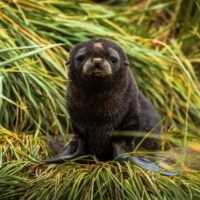
Eared seals, also known as otariids or otarya, include fur seals and sea lions. Eared seals can be identified by their prominent external ear flaps, long fore flippers, and hind flippers which can rotate forwards, allowing them to ‘walk’ on all fours on land.
* The third seal family, the walrus, is found only in the Arctic.
ANTARCTIC SEALS
Meet the Antarctic seals
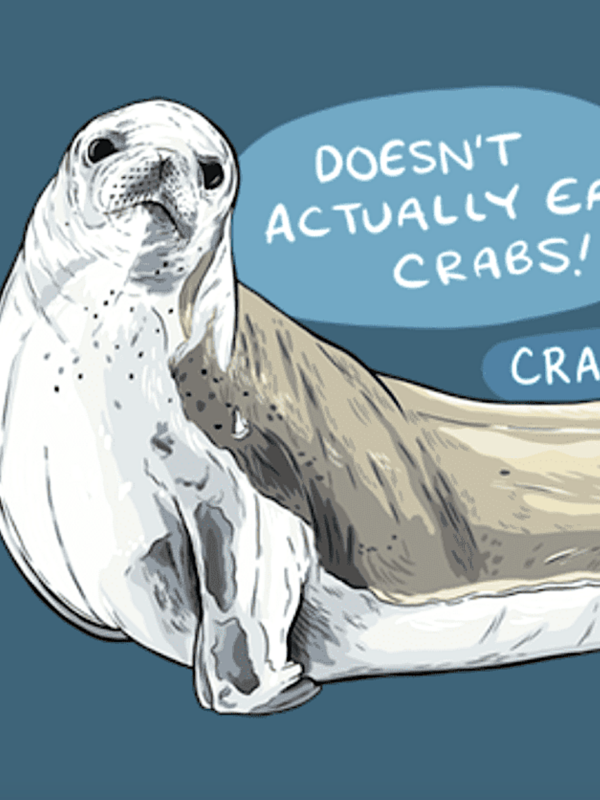
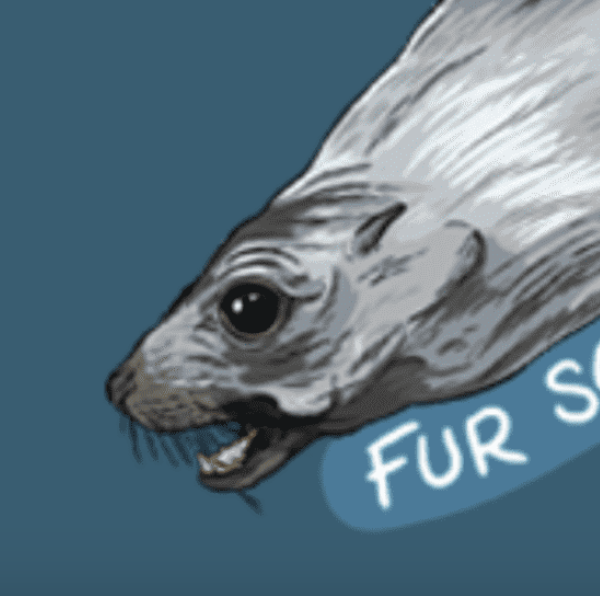
Click on the links below to discover the unique characteristics of each Antarctic seal species, from breeding to feeding.



Download our Antarctic Seals Infographic.
ANTARCTIC SEALS
Protecting Antarctica’s seals
In the past, several species of Antarctic seal were hunted to near-extinction. Today all Antarctic seals receive vital protection under several international agreements.

Convention for the Conservation of Antarctic Seals (CCAS)
The Convention for the Conservation of Antarctic Seals (CCAS) was established to address the impacts of commercial seal hunting. It allowed for the ‘protection, scientific study and rational use of Antarctic seals’, with the aim of maintaining ‘a satisfactory balance within the ecological system’.

Protocol on Environmental Protection to the Antarctic Treaty
The Protocol on Environmental Protection to the Antarctic Treaty was agreed in 1991 and came into force in 1998. Also known as the Madrid Protocol or simply the Protocol, this document is responsible for securing Antarctica’s status as the greatest shared, protected wilderness on our planet.
The Convention on the Conservation of Antarctic Marine Living Resources (CCAMLR)
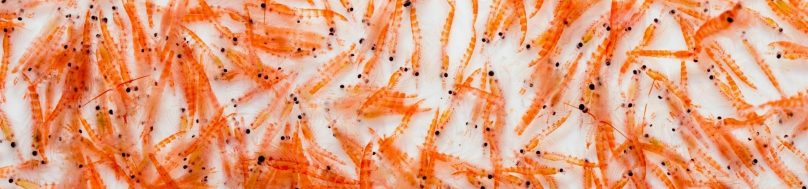
Adopted in 1980, CCAMLR is an international commission responsible for the conservation of living marine resources in the Southern Ocean.
Marine protected areas
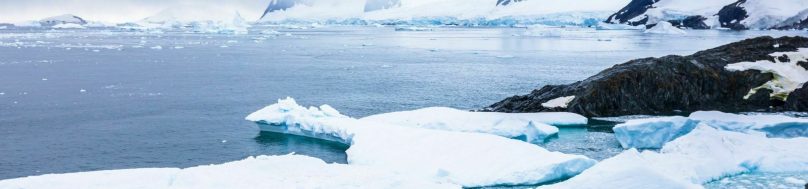
Marine protected areas (MPAs) have been identified as an effective way to support healthy ecosystem function by reducing interference from human activities such as shipping and fisheries.
ANTARCTIC SEALS
Challenges facing Antarctic seals
Despite the protections already in place, seals remain vulnerable to human activity in the Antarctic. Follow the links below to learn about some of the challenges facing seals today.
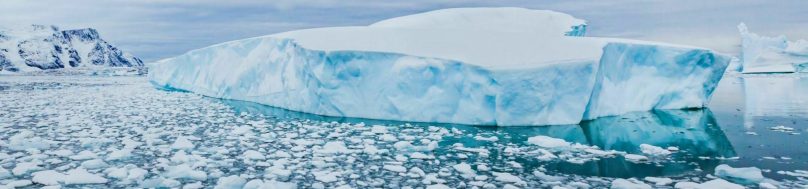
Ghost fishing gear
Abandoned, lost, or discarded fishing gear (ALDFG), otherwise known as ‘Ghost Gear’, poses a threat to marine mammals globally.
These silent killers include fishing nets, lines and hooks, and fish traps, which continue to “fish”, and which seals can become entangled in, often leading to a slow, painful death.
In the Southern Ocean, nearly 850 miles (1363 kilometers) of long line was abandoned, lost or discarded in only two fishing seasons. Fishing line takes around 600 years to break down. When it finally does, it disintegrates into harmful microplastics, which can be ingested by fish and crustaceans, and eventually marine mammals and humans.
Download our ghost gear infographics.
Photo credit: NOAA
Source: Richardson et al., (2022). Global estimates of fishing gear lost to the ocean each year. Science Advances. DOI:10.1126/sciadv.abq0135


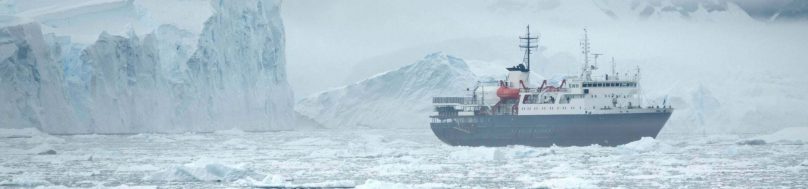
Microplastic pollution
Microplastics are pieces of plastic with a diameter of five millimeters or less. They have been detected in Antarctic sea ice, snow, surface waters, sediments, and the stomachs and feces of some seabirds and Antarctic fur seals.
Microplastics come from a range of sources, such microbeads from personal hygiene products, and fibers from laundry water. They can also result from the breakdown of larger plastic items, such as abandoned, lost, or discarded fishing gear, other sources of shipping waste, straws, or bottles.
Scientific research has found microplastics in Antarctic snow, the waters of the Southern Ocean, and in zooplankton, such as Antarctic krill and salps. Given the important role of zooplankton as the foundation of the Antarctic food web – particularly the keystone species krill – some researchers have expressed concerns that microplastics could be transferred up the food web, with harmful effects on species such as penguins and seals. This is an area of current research.
Download ASOC information paper about the discharge of waste water in Antarctic Treaty waters.
Download our plastic pollution infographic.
Download our microplastics from marine paints infographic
Sources:
Merrill et al., (2023). Microplastics in marine mammal blubber, melon, & other tissues: Evidence of translocation, Environmental Pollution, Volume 335, 2023, https://doi.org/10.1016/j.envpol.2023.122252
Caruso et al., (2022) Plastic occurrence, sources, and impacts in Antarctic environment and biota, Water Biology and Security, Volume 1, Issue 2, 2022, 100034,
https://doi.org/10.1016/j.watbs.2022.100034.


Climate crisis
The climate crisis is causing rapid changes in some areas of Antarctica, including warming ocean temperatures and declining sea ice, which could have grave impacts on seal populations.
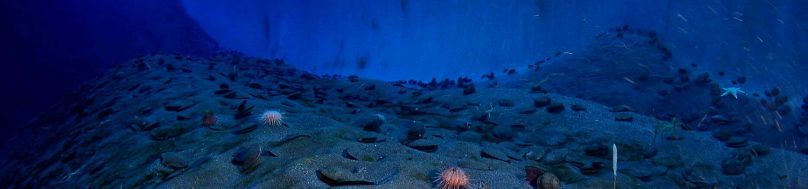
Underwater noise
Sound is an essential sense for seals. They use sound to communicate with one another, avoid predators, and defend their territory. Some Antarctic seals may use vocalizations as a kind of biological sonar to help them navigate.
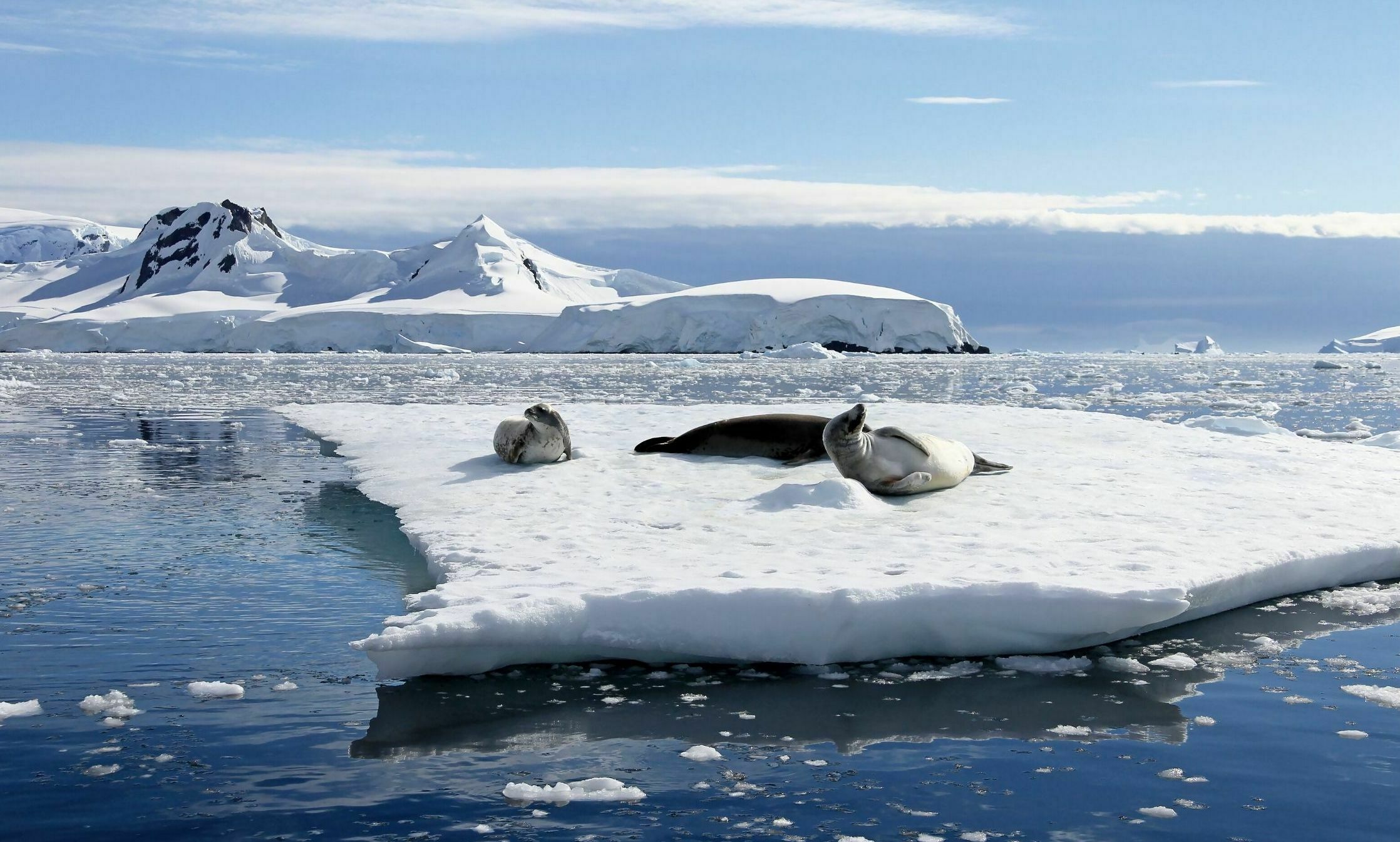
ANTARCTIC SEALS
You can help
ASOC has been working to protect Antarctic seals for over 45 years.
Join us today as we continue to lead the international conservation community in this important work.



References:
Shirihai (2003). The Complete Guide to Antarctic Wildlife: Birds and Marine Mammals of the Antarctic Continent and the Southern Ocean.
Scientific consultation: Mia Wege, Pūkenga | Lecturer, Gateway Antarctica, Te Kura Aronukurangi | School of Earth and Environment.
Now that you’ve learned about Antarctic seals, read on to learn more about extraordinary Antarctica.
Antarctic Life
FEATURED LEARNING
